Choosing the right aerator for a pond, reservoir, or water feature is one of those decisions that sounds straightforward until you start digging into the details. Surface aerator or submersible? Which one actually performs in our local conditions? And does it even matter?
It does matter, quite a lot actually. The type of aerator you choose affects water quality, energy costs, equipment lifespan, and whether your aquatic ecosystem thrives or struggles through seasonal changes. Let us walk you through the key differences and help you figure out what makes the most sense for your situation.
What Each System Actually Does
Before comparing the two, it helps to understand what they are each trying to achieve.
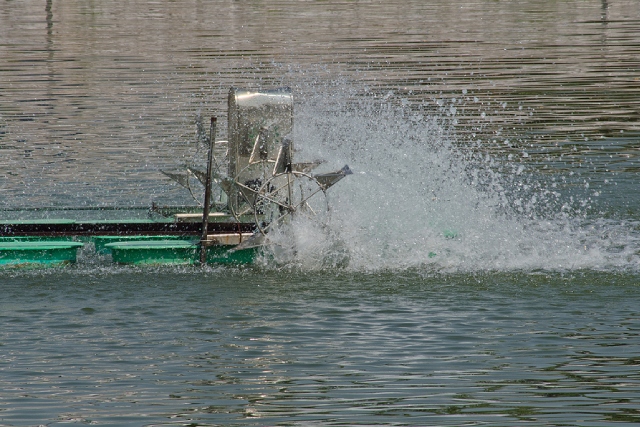
A surface aerator sits at the water’s surface and works by splashing or agitating the water, pulling in oxygen at the air-water interface. The movement itself is the point: the more turbulence, the more oxygen gets absorbed. You have probably seen these in decorative ponds or large commercial water bodies. They are hard to miss, often producing a dramatic fountain or spray effect.
A submersible pump, on the other hand, operates below the water’s surface. It draws water from the depths and either circulates it upward or pushes air down via a diffuser system. Because warm, stagnant water tends to sit at the top while cooler, oxygen-depleted water sinks to the bottom, a submersible setup can address the entire water column rather than just the surface layer. This is a meaningful advantage in deeper water bodies.
Both are valid types of aeration systems, and the right choice depends heavily on the specifics of your site, water depth, and local climate.
How Climate Shapes Your Decision
Here is where things get interesting, and why blanket recommendations often fall short.
In hot, humid climates, surface aerators face a real challenge. When ambient air temperatures soar, the oxygen content of that air drops. Surface aerators rely on mixing atmospheric air with water, so if the air itself is warm and humid, the oxygen transfer rate decreases. You are essentially stirring warm air into warm water, which is not the most efficient exchange. Submersible diffuser systems, by contrast, push air directly into the cooler depths, often achieving better results under these conditions.
In temperate or seasonally variable climates, the picture changes. Surface aerators perform exceptionally well during cooler months when air temperatures drop and oxygen saturation in the atmosphere increases. They are also generally easier to maintain, simpler to install, and cost less upfront.
In regions with cold winters, both systems need consideration for freeze risk. Surface aerators can be vulnerable to ice damage if left running at the wrong time, though some models are designed to prevent surface freezing rather than aerate. Submersible systems are typically more protected from the elements given they sit underwater, but the pump housing and tubing still need winterising in extreme cold.
Depth of Water Matters More Than You Might Think
One of the most overlooked factors is how deep your water body is.
For shallow ponds under roughly 1.5 metres, surface aeration is often perfectly adequate. The water column is short enough that mixing the surface effectively circulates oxygen throughout. Going submersible in very shallow water can actually be counterproductive, as the equipment may not have enough depth to operate properly.
For deeper water bodies, the opposite is true. Stratification becomes a serious issue. Warm, lighter water sits on top, cooler water sinks, and the two layers stop mixing naturally. This thermal stratification leads to oxygen depletion at the bottom, which drives anaerobic conditions, foul odours, and algal blooms. A properly sized submersible diffuser or airlift system breaks up that stratification from below, which is simply something surface aeration cannot do effectively.
Running Costs and Efficiency
Neither system wins outright on cost, but there are patterns worth knowing.
Surface aerators tend to have lower upfront purchase costs and simpler installation, especially for smaller ponds. However, they can use more electricity relative to the oxygen they transfer in warm or humid conditions. If you are running one continuously through a hot season, those energy costs add up.
Submersible diffuser systems often have higher initial costs but can be more energy-efficient per kilogram of oxygen transferred, particularly in deeper water. The compressors that drive them tend to sit above the waterline, making maintenance more accessible than you might expect.
A rough comparison across water body types:
| Water Body Type | Recommended System | Key Reason |
| Shallow pond (under 1.5m) | Surface aerator | Simple, cost-effective for depth |
| Deep reservoir (over 3m) | Submersible diffuser | Addresses full water column |
| Decorative feature | Surface aerator | Aesthetic and functional |
| Aquaculture system | Submersible or combined | High oxygen demand at depth |
| Hot climate, any depth | Submersible preferred | Better oxygen transfer efficiency |
Maintenance Realities
Both systems need regular attention, but the nature of that maintenance differs.
Surface aerators are generally easier to access. If something needs adjusting or replacing, you can usually reach the unit without draining anything or hiring specialist equipment. The downside is exposure: UV, rain, bird interference, and debris can all cause wear over time.
Submersible components are better protected from weather but harder to reach. Pulling a submersible pump for inspection or repair requires some planning and in deeper installations, proper safety procedures. That said, modern systems are designed for durability, and with correct installation, you should not need to pull them frequently.
Making the Right Call
There is no universal answer here, which is why getting expert advice for your specific site is genuinely worthwhile. Factors like your water body’s surface area, depth, local temperatures, seasonal variation, water quality goals, and budget all influence which system makes sense.
What is clear is that a well-matched aerator, properly installed and appropriately sized, makes a significant difference. An underpowered or mismatched system will frustrate you and underserve your water body no matter how good the equipment is on paper.
Ready to Find the Right Solution?
If you are weighing up surface versus submersible aeration for a pond, reservoir, or water treatment application, the team at Winston Engineering can help you get it right. With deep experience across a wide range of water management applications, we can assess your specific conditions and recommend a system that actually performs in your climate, for your site, within your budget. Get in touch with Winston Engineering today to discuss your requirements.

Author Bio
Team Winston Engineering

Team Winston Engineering is made up of pump specialists, engineers, and industry experts with over 40 years of hands-on experience in fluid management solutions. Founded in Singapore in 1977, Winston Engineering has grown into Southeast Asia's leading pump specialist, serving industries ranging from oil and gas to water treatment, HVAC, and power generation. With regional offices across Singapore, Malaysia, Indonesia, and China, the team brings deep technical expertise and a customer-first approach to every project, backed by the region's only state-of-the-art pump test bay.
See all posts by Team Winston Engineering »