Aeration is one of those processes that quietly keeps industries running smoothly behind the scenes. Whether you are managing a wastewater treatment facility, running an aquaculture farm, or overseeing a large-scale manufacturing plant, getting the right amount of oxygen into your liquid systems is critical. Without it, biological processes stall, water quality drops, and entire operations can grind to a halt.
What many people do not realise is that aeration is not a one-size-fits-all solution. Different industries have very different oxygen demands, water depths, tank sizes, and treatment goals. Choosing the wrong system can lead to poor performance, high energy bills, and costly downtime. That is why understanding the main types of aeration systems, and what each one is suited for, is such a worthwhile investment of your time.
Surface Aerators
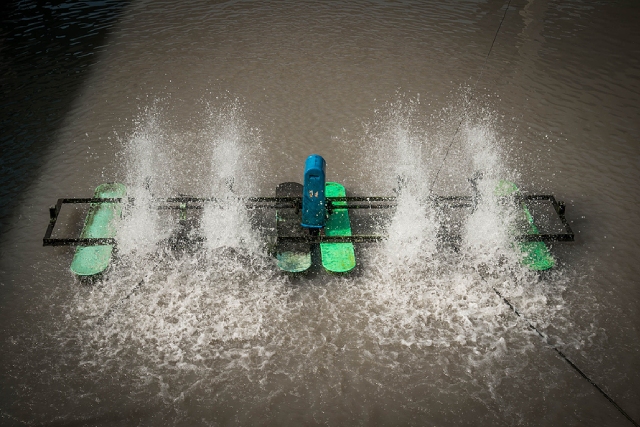
Surface aerators are one of the most widely used options in industrial settings, particularly in wastewater treatment ponds and lagoons. They work by agitating the water at the surface, pulling in atmospheric oxygen and mixing it through the liquid. They are relatively simple to install and maintain, which makes them popular for large open-water applications.
There are two main varieties: floating surface aerators, which sit on the water and use a motor to splash and churn the surface, and brush aerators, which rotate a horizontal drum fitted with metal blades. Both are effective for shallow water bodies where deep oxygen penetration is not necessary.
One limitation of surface aerators is that they are less effective in deeper tanks. If oxygen needs to reach the bottom of a deep basin, you will likely need a different approach.
Diffused Aeration Systems
Diffused aerators are among the most efficient systems available for deep tanks and basins. They work by pushing compressed air through a network of pipes and diffuser membranes placed at the bottom or sides of the tank. The air rises as fine bubbles through the water column, dissolving oxygen as it goes.
Fine bubble diffusers produce smaller bubbles, which have a greater surface area relative to their volume, leading to more efficient oxygen transfer. Coarse bubble diffusers produce larger bubbles, which are less efficient at oxygen transfer but create stronger mixing currents, making them useful where agitation is just as important as oxygenation.
Diffused aeration is a common choice in municipal and industrial wastewater treatment, where maintaining dissolved oxygen levels is essential to keep aerobic bacteria alive and active. As industries increasingly look at future trends in industrial pumps and related equipment, energy-efficient diffused aeration systems have come under the spotlight for their potential to significantly cut operating costs.
Mechanical Aerators
Mechanical aerators use rotating impellers, turbines, or brushes to introduce oxygen into the water. Unlike diffused systems, they do not rely on a compressor or blower to push air in from outside. Instead, they draw water upward and fling it into the air, allowing it to absorb oxygen on contact with the atmosphere.
These systems are commonly found in activated sludge treatment processes, oxidation ditches, and industrial lagoons. They can be mounted horizontally or vertically depending on the application and tank configuration.
Mechanical aerators tend to be robust and effective, but they do consume a fair amount of energy. Regular maintenance is also important, as the rotating components are subject to wear over time.
Jet Aerators
Jet aerators use a pump to move liquid at high velocity through a venturi-style nozzle, which draws in and mixes air into the stream. The result is a highly turbulent mix of air and water that promotes rapid oxygen transfer. They are particularly useful in confined spaces or where a more targeted aeration approach is needed.
Jet systems can be designed for both surface and submerged operation, giving engineers greater flexibility when designing or retrofitting a treatment system. They are also relatively quiet compared to some mechanical alternatives, which can be an advantage in settings close to residential or commercial areas.
Submerged Turbine Aerators
Submerged turbine aerators combine the benefits of mechanical mixing and air injection. A turbine positioned below the waterline disperses compressed air into fine bubbles while simultaneously mixing the water. This dual action makes them highly effective in deep tanks where both oxygenation and circulation are required.
They are often used in industrial bioreactors, fermentation tanks, and high-strength wastewater applications. Because they can handle variable loads and depths, they offer good flexibility for industries with changing production demands.
Choosing the Right System
Selecting the right aeration system depends on several factors:
- Water depth and volume – deeper tanks generally benefit from diffused or submerged turbine systems
- Required oxygen transfer rate – high-demand processes may need fine bubble diffusers or jet aerators
- Energy efficiency goals – fine bubble diffused systems typically offer the best energy-to-oxygen transfer ratios
- Maintenance capacity – simpler systems like surface aerators may suit facilities with limited technical support on site
- Space and layout constraints – jet aerators or compact mechanical units work well in tight configurations
There is no single correct answer, and in many industrial facilities, more than one type of aeration system is used in tandem to meet different treatment stages or zones.
Keeping Your System Running Well
Whichever system you choose, regular inspection and maintenance are essential. Clogged diffuser membranes, worn impellers, and air leaks in piping can all reduce performance significantly without obvious warning signs. Monitoring dissolved oxygen levels continuously is the best way to catch problems early and avoid disruption to your process.
It is also worth reviewing your aeration setup periodically as your operational demands change. A system that worked well five years ago may no longer be the most efficient or cost-effective option for your current throughput.
Work With the Experts
Getting aeration right can make a meaningful difference to your operational efficiency, treatment quality, and energy costs. If you are looking for guidance on selecting, installing, or maintaining aeration systems for your industrial application, Winston Engineering is here to help. With decades of experience supporting industries across Singapore and the region, our team can assess your specific requirements and recommend the right solution for your facility. Get in touch with Winston Engineering today to find out how we can support your operations.

Author Bio
Team Winston Engineering

Team Winston Engineering is made up of pump specialists, engineers, and industry experts with over 40 years of hands-on experience in fluid management solutions. Founded in Singapore in 1977, Winston Engineering has grown into Southeast Asia's leading pump specialist, serving industries ranging from oil and gas to water treatment, HVAC, and power generation. With regional offices across Singapore, Malaysia, Indonesia, and China, the team brings deep technical expertise and a customer-first approach to every project, backed by the region's only state-of-the-art pump test bay.
See all posts by Team Winston Engineering »