


News & Events
Filter by Category
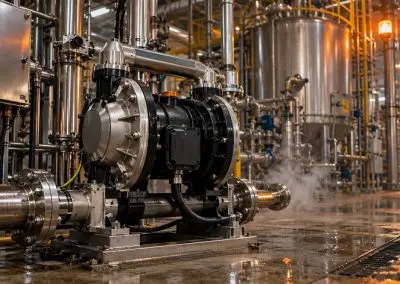
What Is a Hazardous Location? A Guide to Choosing Graco QUANTM Electric Pumps
What Is a Hazardous Location? A hazardous location is an area where a potentially dangerous atmosphere may occur due to the presence of flammable gases
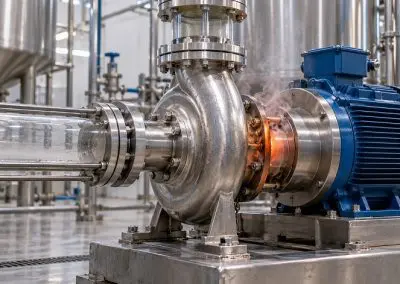
Dry Running in Pumps: Risks, Causes, and Solutions with QUANTM Electric Pumps
What Is Dry Running in Pumps? Dry running occurs when a pump operates without an adequate supply of liquid. Its effects depend on the pump type, design, materials, and operating limits specified by the manufacturer.
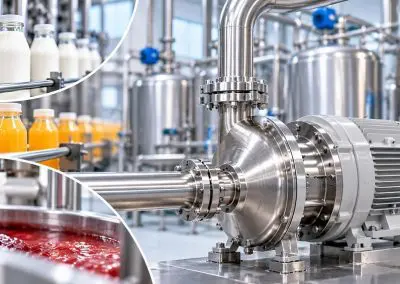
What Is a Hygienic Pump and Why Is It Important for the Food & Beverage Industry?
What Is a Hygienic Pump? A hygienic pump is designed for applications that require special attention to process hygiene and sanitation.
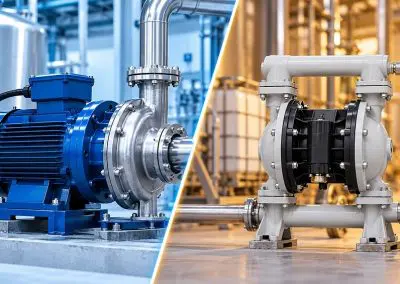
Electric Pump vs. Pneumatic Pump: Which Is More Efficient for Industrial Applications?
For companies looking to improve process efficiency, comparing electric pumps and pneumatic pumps is essential before deciding which technology best suits their applications.

When Does an Industry Need an ANSI B73.1 Standard Pump?
An ANSI B73.1 pump is a type of horizontal, end-suction centrifugal process pump that conforms to specific dimensional and configuration requirements. This standardization helps ensure consistency in installation and in the interfaces between the pump and its supporting equipment.

Why Is Your Centrifugal Pump Not Pumping Water? Causes and Solutions
Before carrying out any physical inspection, make sure the power supply is switched off, system pressure has been safely released, and all applicable workplace safety procedures are followed. Below is an overview of the most common causes and the steps you can take to inspect them.
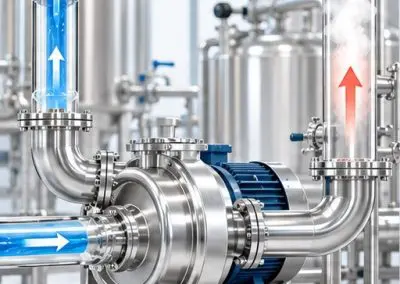
The Difference Between CIP and SIP in Sanitary Pumping Systems
CIP and SIP serve different purposes. Understanding the differences can help companies establish cleaning and sanitation procedures that meet their process requirements.
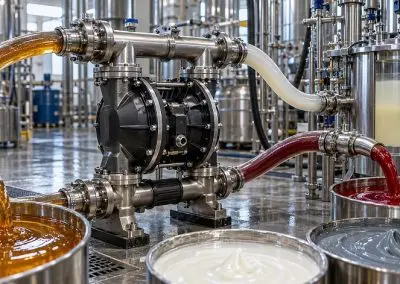
Pumps for Resin, Adhesives, Paints, and Polymers: How to Choose the Right One
Why Is Viscosity Important When Selecting a Pump? Viscosity describes a liquid's resistance to flow. The higher the viscosity, the greater the resistance that must be overcome to move the material from one location to another.
Guide to Selecting Pump Materials for Corrosive Chemicals
Therefore, material selection must cover all components that come into direct contact with the fluid, or the wetted parts, including the casing, diaphragm, impeller, shaft, valve ball, valve seat, gasket, and seals.

How to Select an Industrial Pump Based on Flow Rate, Head, Pressure, Temperature, and Viscosity
Choosing the wrong pump can result in insufficient flow, excessive energy consumption, leakage, cavitation, and premature component failure. Therefore, the following five parameters should be carefully evaluated before determining the appropriate pump type and model.
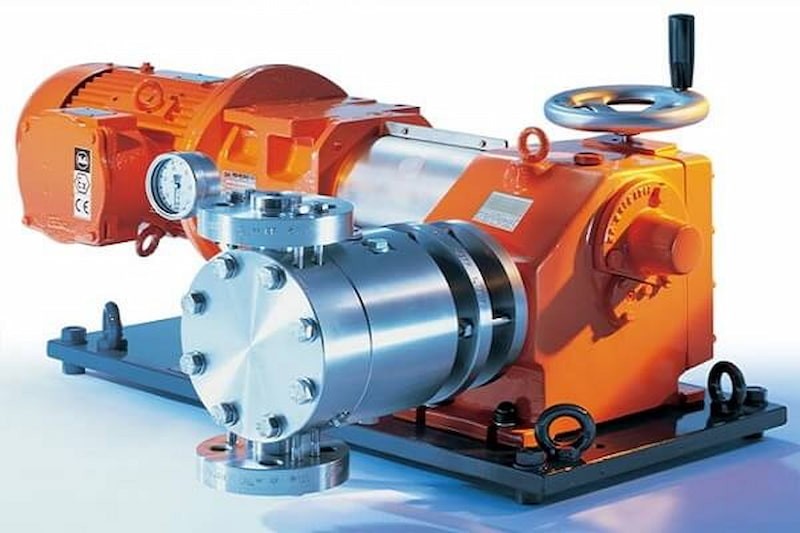
Diaphragm Pump: Definition, Working Principle, and Types
A diaphragm pump is a type of positive displacement pump that uses the reciprocating motion of a ...
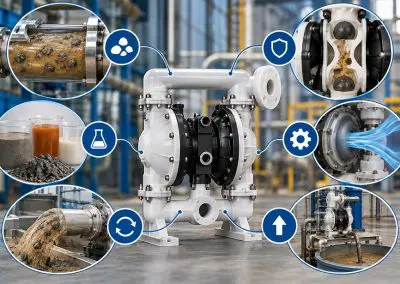
Advantages of AODD Pumps for Fluids Containing Solids
An AODD Pump is a positive displacement pump powered by compressed air. It uses two diaphragms that operate alternately to draw in and discharge the fluid.
No results found.