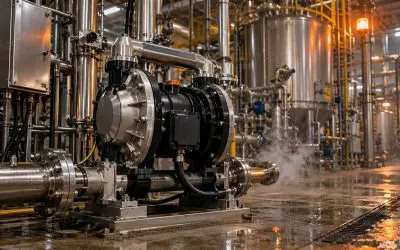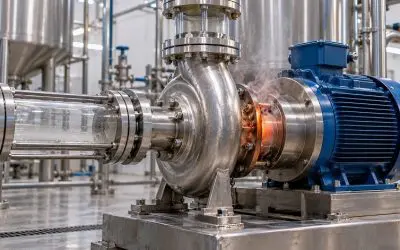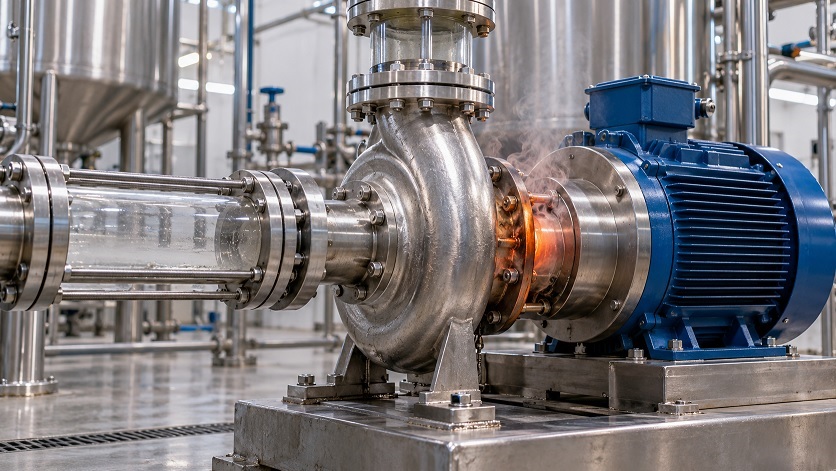
In industrial pumping systems, the fluid supply does not always run smoothly. An empty tank, a problem in the suction line, or air entering the system can cause a pump to operate without an adequate supply of liquid. This condition is known as dry running.
If not properly addressed, dry running can increase the risk of overheating, component wear, and pump damage. Understanding its causes and how to prevent it is therefore essential for maintaining the reliability of pumping systems.
What Is Dry Running in Pumps?
Dry running occurs when a pump operates without an adequate supply of liquid. Its effects depend on the pump type, design, materials, and operating limits specified by the manufacturer.
In pumps that rely on liquid to lubricate or cool certain components, this condition can cause temperatures to rise and accelerate wear. However, some types of pumps are designed to tolerate dry running within specified limits.
Causes and Risks of Dry Running
Dry running can occur for several reasons, including:
- An empty tank or drum: The pump continues operating after the liquid supply has been depleted.
- Suction line problems: Blockages or valves that are not properly opened restrict liquid flow.
- System leaks: Air enters through connections or the suction line.
- Start-up errors: The pump is started before an adequate liquid supply is available.
If dry running occurs repeatedly, it can lead to overheating, accelerate wear on seals or certain internal components, increase maintenance costs, and raise the risk of operational downtime.
How to Reduce the Risk of Dry Running
The risk of dry running can be reduced by ensuring that the pumping system is designed and operated according to the application’s requirements. Recommended measures include:
- Monitoring liquid levels in tanks or drums.
- Regularly inspecting the suction line, connections, and valves.
- Using level sensors or control systems to detect interruptions in the liquid supply.
- Selecting a pump with dry-running capabilities appropriate for the application.
- Following the manufacturer’s operating instructions and specified limits.
Dry-running capability does not mean that a pump can operate without liquid indefinitely. Operating limits must still be observed in accordance with the product specifications.
Graco QUANTM Electric Pumps for Industrial Applications
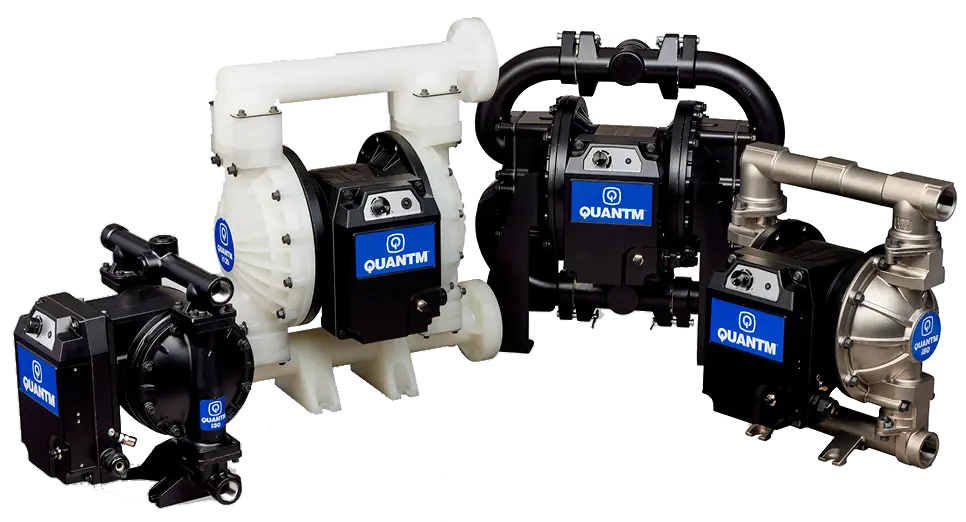
Graco QUANTM Electric Pumps are electrically driven pumps that offer an alternative to air-operated double diaphragm (AODD) pumps, which use compressed air as their power source.
One of the features offered by QUANTM is dry-running capability, a characteristic also associated with AODD pumps. This capability allows the pump to handle situations in which the liquid supply is interrupted, within the product’s specified operating limits.
In addition, QUANTM offers several features for industrial fluid transfer applications, including:
- Self-priming: Supports liquid intake under suitable installation conditions.
- Dry-running capability: Designed to handle operation without liquid within specified limits.
- Ability to handle solids and abrasive materials: Depending on the model, configuration, and fluid characteristics.
- Integrated controls: Support operational adjustments, including flow and pressure control, depending on the model’s features.
- Electric drive: Eliminates the need for a compressed air supply to power the pump.
Selecting the right QUANTM model requires consideration of the fluid type, flow capacity, operating pressure, materials in contact with the liquid, and actual operating conditions.
- Explore the product: Graco QUANTM Electric Pump
Conclusion
Dry running is an important consideration when selecting industrial pumps because it can affect equipment reliability and service life. Graco QUANTM Electric Pumps may be a suitable option for applications requiring an electric pump with dry-running and self-priming capabilities.
Contact Winston Indonesia for a consultation and recommendations on the QUANTM model best suited to your pumping system requirements.

Author Bio
Rian

Team PT Winston technically driven member of PT Winston Indonesia with strong practical knowledge of pumps and fluid handling solutions. We work closely with customers to understand their operating requirements, recommend suitable pump solutions, and introduce products that can improve reliability, efficiency, and overall system performance. With a hands-on and solution-oriented approach, We help bridge technical requirements with practical product selection, ensuring customers receive the right pumping solution for their applications.
See all posts by Rian »