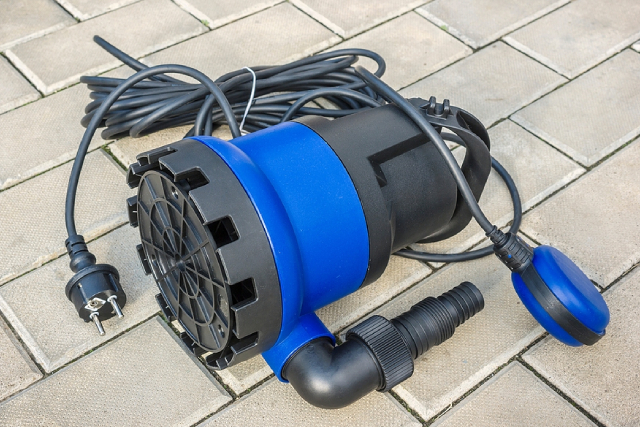
Submersible pumps are the unsung workhorses of many industrial and municipal systems, quietly moving water, wastewater, or slurry from below the surface without much fanfare. That is, until something goes wrong. One of the most common culprits behind a sudden drop in performance is a clogged impeller, and if you have ever watched flow rates dip for no obvious reason, this is often the reason why.
Impeller clogging does not usually happen overnight. It tends to build up gradually, and by the time you notice reduced output or strange vibrations, the blockage may already be affecting the whole system. Understanding what causes this clogging in the first place makes it far easier to catch problems early and keep your pump running the way it should.
1. Debris and Solids in the Water
The most straightforward cause is also the most common. Submersible pump impellers are designed to handle a certain level of particulate matter, but they are not built to swallow everything that comes their way. Fibrous materials, rags, plastic bags, and larger solids can wrap around the impeller blades or wedge into the housing, restricting movement and reducing efficiency.
This is especially common in wastewater and sewage applications, where the pump is exposed to whatever gets flushed or washed into the system. Even in cleaner applications, sand, grit, and sediment can accumulate over time and gradually choke the impeller passages.
2. Grease and Oil Build-Up
Grease is a sneaky one. It does not always show up as an obvious blockage straight away. Instead, it coats the impeller surface and the inside of the pump casing, slowly narrowing the passages through which water needs to flow. Over time, this build-up hardens, mixes with other debris, and forms a stubborn clog that is much harder to remove than fresh grease would have been.
Kitchens, food processing facilities, and certain industrial sites are particularly prone to this issue. If your pump is installed downstream of areas where fats, oils, and grease are discharged, regular inspection becomes even more important.
3. Scale Formation from Mineral Deposits
Hard water and mineral-rich fluids can leave behind scale deposits on the impeller and surrounding components. This is a slower process than debris clogging, but it is no less damaging. As scale builds up layer by layer, it changes the shape of the impeller blades, unbalances the rotating assembly, and reduces the pump’s ability to move fluid efficiently. When engineers calculate dynamic head for a system, they are working from assumptions about a clean, unobstructed flow path, which scale formation quietly undermines.
Scale is often worse in areas with hard groundwater or in applications involving chemically treated water, so if your site falls into either category, this is worth keeping an eye on.
4. Incorrect Pump Sizing or Installation
Sometimes the clogging problem is not really about what is in the water at all. It is about whether the submersible pump was matched correctly to the application in the first place. A pump that is undersized for the flow conditions may run at a lower velocity than intended, which gives solids more opportunity to settle and accumulate inside the impeller rather than being carried through the system.
Installation errors play a role too. Positioning the pump too close to the base of a sump or wet well, for example, can mean it draws in more settled sediment than it would if placed correctly. A few things worth checking:
- Whether the pump’s flow rate matches the actual demand of the system
- Whether the intake is positioned to avoid sediment build-up at the base
- Whether the impeller type suits the fluid being handled (vortex, channel, or multi-vane designs each cope differently with solids)
5. Lack of Regular Maintenance
This last one is less a direct cause and more the reason the other four are allowed to escalate. Skipping routine inspections means small amounts of debris, grease, or scale are left to accumulate unchecked. What could have been a five-minute clean-out becomes a full teardown, and in some cases, a damaged impeller that needs replacing entirely.
Setting a maintenance schedule, even a simple visual check every few months, goes a long way towards catching early signs of clogging before they affect performance. Listening for unusual noises, monitoring flow rates, and keeping a record of past issues all help build a clearer picture of how your pump is coping over time.
Keeping an impeller clear is rarely about one single fix. It usually comes down to knowing what your system is exposed to, choosing the right pump for the job, and staying on top of maintenance before small issues turn into bigger ones. Recognising the early signs, whether that is a slight drop in flow or an odd vibration, gives you the chance to act before a full clog brings operations to a halt.
If you are dealing with recurring clogging issues or need advice on selecting the right equipment for your site conditions, the team at Winston Engineering can help you find a solution built around your specific needs.

Author Bio
Team Winston Engineering

Team Winston Engineering is made up of pump specialists, engineers, and industry experts with over 40 years of hands-on experience in fluid management solutions. Founded in Singapore in 1977, Winston Engineering has grown into Southeast Asia's leading pump specialist, serving industries ranging from oil and gas to water treatment, HVAC, and power generation. With regional offices across Singapore, Malaysia, Indonesia, and China, the team brings deep technical expertise and a customer-first approach to every project, backed by the region's only state-of-the-art pump test bay.
See all posts by Team Winston Engineering »