If you’ve ever heard a pump making a strange rattling or crackling noise, almost like gravel tumbling around inside, there’s a good chance you were listening to cavitation in action. It’s one of those problems that tends to sneak up on you, and by the time most people notice it, some damage has already been done. Understanding what’s behind it, and catching the warning signs early, can save you a great deal of money and downtime.
So, What Exactly Is Cavitation?
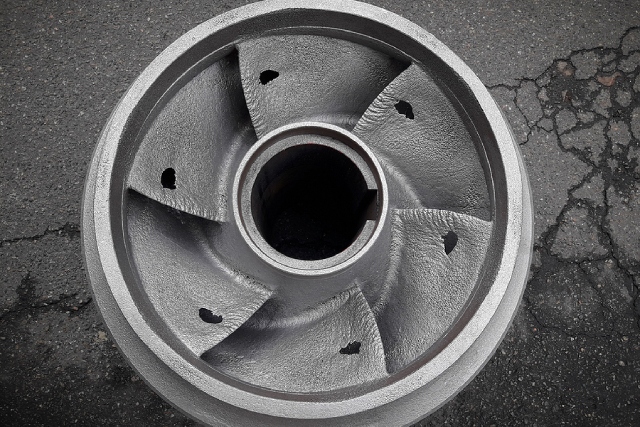
At its core, cavitation happens when the pressure inside a pump drops low enough for the liquid being pumped to vaporise. This creates tiny bubbles, called vapour cavities, which form rapidly and then collapse just as quickly when they hit a higher-pressure zone inside the pump. That collapse releases a concentrated burst of energy, and it happens thousands of times per second. Over time, this relentless micro-implosion wears away at the pump’s impeller and casing, causing pitting, erosion, and eventually serious mechanical failure.
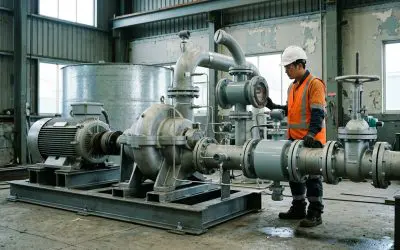
The tricky part is that cavitation doesn’t discriminate. Whether you’re running a large centrifugal pump in an industrial facility or managing a sump pump in Singapore’s notoriously wet conditions, the physics are the same. Excess moisture, high demand periods, or even a partially blocked inlet can tip the balance and trigger cavitation.
Why Does It Happen?
There are two main types of cavitation, and knowing which one you’re dealing with points you in the right direction.
Suction cavitation occurs when a pump is being starved of liquid. This typically happens when the inlet pressure is too low, the pump is running faster than it should be for the system, or there’s a blockage somewhere on the suction side. The pump essentially tries to pull in more fluid than is available, creating a low-pressure zone where vapour bubbles form.
Discharge cavitation is the opposite problem. Here, the pump outlet is under too much pressure, often because a discharge valve is partially closed or the system resistance is higher than expected. The liquid is forced to recirculate inside the pump at high velocity, which again produces those destructive vapour pockets.
Other contributing factors include:
- Pumping fluid that’s too close to its boiling point
- Operating a pump far outside its best efficiency point (BEP)
- Incorrect pump sizing for the application
- Air leaks on the suction side
- Worn or damaged impellers that disrupt normal flow patterns
With ongoing developments in future trends in industrial pump design focusing on variable speed drives and smarter flow control, some of these issues are becoming easier to manage. But the fundamentals of good installation and routine maintenance remain just as important as ever.
The Warning Signs to Watch For
Catching cavitation early is everything. Left unchecked, it can destroy an impeller within weeks. Here’s what to look out for:
Unusual noise: That grinding, rattling, or popping sound is usually the first tell. If your pump suddenly starts sounding like it’s chewing on something, take it seriously.
Vibration: Cavitation puts uneven forces on the rotating components. If you notice increased vibration or the pump seems less stable than usual, this warrants investigation.
Drop in performance: A pump that’s cavitating can’t move fluid efficiently. If flow rates drop or pressure becomes inconsistent for no obvious external reason, cavitation is a strong candidate.
Physical damage: On inspection, pitting or a rough, sponge-like texture on the impeller surface is a clear sign that cavitation has already taken hold.
How to Prevent It
Prevention really comes down to three things: correct pump selection, proper installation, and consistent maintenance.
Get the sizing right from the start. A pump that’s too powerful for its system, or one that’s undersized and constantly running at the edge of its capacity, is far more vulnerable. Work with an engineer to match the pump’s flow rate and head to your actual system requirements.
Keep an eye on inlet conditions. Make sure suction lines are as short and direct as possible. Avoid sharp bends near the inlet, and ensure the fluid level in the source tank is always sufficient. Strainers and filters on the suction side should be cleaned regularly to prevent restriction.
Control operating temperatures. If you’re pumping fluids that are heated or prone to vaporising, ensure the system is designed with enough net positive suction head available (NPSHa) to keep pressure above the fluid’s vapour pressure. This is one of the most important calculations in pump system design and should never be an afterthought.
Don’t run your pump off its best efficiency point. Every pump has a BEP, a sweet spot where it operates most efficiently with the least stress on components. Running consistently to the left or right of this point increases the risk of cavitation and general wear.
Consider variable speed drives (VSDs). Rather than running a pump at full speed all the time and throttling back with valves, a VSD adjusts the motor speed to match demand. This keeps the pump operating closer to its BEP and reduces the kind of pressure fluctuations that invite cavitation.
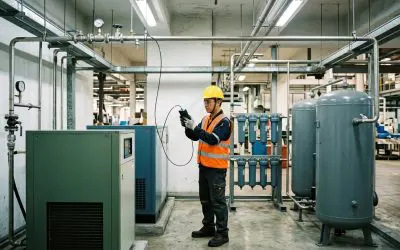
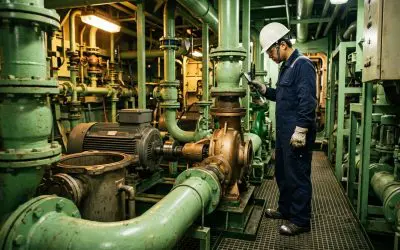
Schedule regular inspections. Listen to your pump during routine checks. Vibration monitoring and performance trending can catch deterioration before it becomes a breakdown. If you’re managing multiple pumps across a facility, a simple log of baseline noise and vibration levels makes anomalies much easier to spot.
What to Do If You Suspect Cavitation
If you think cavitation is already occurring, the first step is to reduce the pump’s operating speed if possible and check for any obvious restrictions on the suction side. Then investigate whether the system has changed, for instance, whether valves have been repositioned, whether fluid temperatures have risen, or whether the pump has been asked to handle higher flow than originally intended.
From there, a professional inspection is the right call. Trying to push through without addressing the root cause will only accelerate damage.
Conclusion
Pump cavitation is one of those problems that rewards attention. The earlier you catch it, the easier and less expensive it is to fix. With the right setup, correct sizing, and a habit of listening to what your equipment is telling you, it’s entirely preventable.
If you’re experiencing pump issues or want to ensure your systems are properly specified from the outset, speak with the team at Winston Engineering. With deep expertise in industrial pump solutions, we can help you diagnose existing problems, recommend the right equipment, and keep your operations running smoothly. Reach out today for a consultation.

Author Bio
Team Winston Engineering

Team Winston Engineering is made up of pump specialists, engineers, and industry experts with over 40 years of hands-on experience in fluid management solutions. Founded in Singapore in 1977, Winston Engineering has grown into Southeast Asia's leading pump specialist, serving industries ranging from oil and gas to water treatment, HVAC, and power generation. With regional offices across Singapore, Malaysia, Indonesia, and China, the team brings deep technical expertise and a customer-first approach to every project, backed by the region's only state-of-the-art pump test bay.
See all posts by Team Winston Engineering »