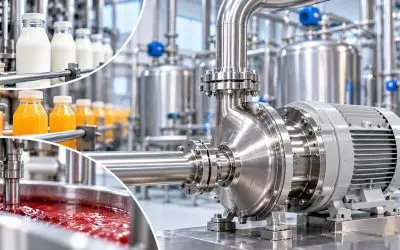
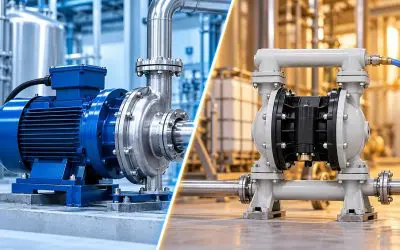
In various industrial sectors, understanding the function of a vacuum pump is essential for improving operational efficiency. A vacuum pump is a device used to remove gas molecules from a sealed space. This equipment plays a crucial role in many industrial applications, ranging from electronics manufacturing to the pharmaceutical industry, because it can control pressure and atmosphere during production processes.
The proper use of a vacuum pump not only improves product quality but also reduces operational and energy costs. That is why vacuum pumps have become an important component in modern industrial operations.
This article discusses everything you need to know about vacuum pump functions, from their applications to their benefits. Read the full explanation below.
What Is a Vacuum Pump and How Does It Work?
A vacuum pump is a device used to remove gas molecules from an enclosed space to create a vacuum condition. Basically, a vacuum pump works by reducing the air pressure inside a chamber or system until it reaches a very low pressure level.
There are various types of vacuum pumps, such as rotary vane pumps, piston pumps, and diffusion pumps, each with different working principles and applications. The function of a vacuum pump is extremely important in industries such as chemical processing, pharmaceuticals, and semiconductor manufacturing because of its ability to create an air-free environment required for many production processes.
How Vacuum Pumps Work
The operating principle of a vacuum pump depends on its type. For example, a rotary vane pump works by using a rotor that rotates inside a cylindrical pump chamber. The rotor is equipped with vanes that move in and out, forming small chambers that trap air and discharge it from the system.
Meanwhile, a diffusion pump uses oil or vapor to capture and transport gas molecules out of the vacuum chamber. In general, the main principle of a vacuum pump is to create a pressure difference, allowing air or gas to flow from a high-pressure area to a low-pressure area, thereby creating the desired vacuum condition.
Functions of Vacuum Pumps
Using a vacuum pump provides many valuable benefits across different industries. From accelerating production processes to improving product quality, vacuum pumps have become essential equipment. Here are some important vacuum pump functions you should know.
1. Accelerating Production Processes
By creating ideal vacuum conditions, production processes can run faster and more efficiently. Vacuum pumps reduce pressure inside the production chamber, allowing chemical reactions and physical processes to occur more quickly.
For example, in the pharmaceutical industry, vacuum pumps are used to speed up drying and distillation processes for chemical substances. This not only saves time but also increases production capacity.
2. Improving Product Quality
Vacuum pumps help eliminate gases and reduce product damage caused by oxidation. In the food and beverage industry, vacuum pumps are used for deaeration processes, which remove air from liquids, making products more stable and longer-lasting.
In the electronics industry, vacuum pumps ensure that semiconductors and other electronic components are produced in a contamination-free environment, which is essential for maintaining product quality and reliability.
3. Reducing the Risk of Contamination
By removing gases and particles from enclosed spaces, the risk of contamination can be minimized. This is especially important in the pharmaceutical and food industries, where cleanliness and sterilization are top priorities.
Vacuum pumps create a controlled environment that prevents foreign particles from contaminating products. As a result, product quality and safety can be maintained more effectively.
4. Energy Efficiency
Using a vacuum pump can make energy usage in production processes more efficient. Vacuum pumps help optimize production operations, reducing the time and energy required.
For example, in heating and cooling processes, vacuum pumps can accelerate heat transfer, thereby reducing energy consumption. This energy efficiency not only lowers operational costs but also supports sustainability efforts by reducing the industry’s carbon footprint.
Vacuum Pump Applications in Various Industries
After understanding the functions and types of vacuum pumps, it is also important to know their applications. Vacuum pumps are used in many industries, each with its own advantages and disadvantages.
1. Applications in the Pharmaceutical Industry
Vacuum pumps are essential in the pharmaceutical industry, especially for drug manufacturing, distillation, and drying chemical substances. In pharmaceutical production, vacuum pumps help create low-pressure environments required for processes such as filtration and solvent handling, which are critical for maintaining product purity and quality.
Vacuum pumps also facilitate lyophilization (freeze-drying), which preserves the stability of sensitive compounds.
Advantages:
- Improve efficiency and accuracy
- Ensure high-quality production results
Disadvantages:
- High initial investment and maintenance costs
- Improper maintenance may cause operational failures that affect production schedules
2. Applications in the Food and Beverage Industry
In the food and beverage industry, vacuum pumps are used for packaging, liquid deaeration, and dairy production.
Vacuum packaging extends product shelf life by removing air, thereby inhibiting aerobic bacterial growth and oxidation. Deaeration removes dissolved air from liquids, improving the quality and stability of products such as juices and sauces.
Advantages:
- Extends product shelf life
- Maintains product freshness and quality
- Improves production efficiency and reduces waste
Disadvantages:
- Requires significant installation and operational costs
3. Applications in the Electronics Industry
Vacuum pumps are used in semiconductor manufacturing, cleaning processes, and handling sensitive materials in the electronics industry.
In semiconductor production, vacuum pumps create contamination-free environments required for chemical vapor deposition and etching processes. They are also used to remove tiny particles and residue from electronic component surfaces.
Advantages:
- Achieve high cleanliness and precision standards
- Support technological innovation and miniaturization
Disadvantages:
- Require careful and continuous maintenance to maintain optimal performance
4. Applications in the Automotive Industry
In the automotive industry, vacuum pumps are used in manufacturing engine components, such as aluminum die casting processes. Vacuum pumps remove air from molds before molten metal is injected, resulting in stronger components.
They are also used in vacuum brake systems and vehicle emission control systems.
Advantages:
- Improve quality and strength of engine components
- Enhance fuel efficiency and reduce emissions
Disadvantages:
- Continuous operational costs must be considered
Despite these costs, vacuum pumps provide highly effective and reliable results.
How to Choose the Right Vacuum Pump
Choosing a vacuum pump should not be based solely on motor capacity or unit size. The system must match the process requirements to ensure proper vacuum levels, stable operation, and manageable maintenance costs.
1. Determine the Required Vacuum Level
The vacuum level indicates how low the pressure inside the system must be. The lower the required absolute pressure, the higher the vacuum level needed.
Make sure the required process pressure is identified early so the selected pump matches operational requirements.
2. Consider Pumping Speed or Suction Capacity
Pumping speed refers to the pump’s ability to remove gas from the system within a certain period. This parameter is related to chamber volume, evacuation time, system leakage rates, and gas loads generated during the process.
3. Identify the Type of Gas, Vapor, or Liquid Handled
Gas characteristics greatly affect vacuum pump selection. Clean, dry gases require different pump types compared to gases containing moisture, solvents, chemicals, particles, or condensed liquids.
4. Consider Temperature and Operating Conditions
Gas temperature, installation area temperature, humidity, corrosive conditions, and operating duration should all be considered before selecting pump specifications.
5. Evaluate Efficiency and Maintenance Requirements
Vacuum pump operating costs involve more than electricity consumption. Oil usage, seal liquid, spare parts, filters, and routine inspections should also be considered.
Vacuum Pump Maintenance for Stable Performance
Routine maintenance helps vacuum pumps operate efficiently and reduces the risk of downtime.
Some basic inspections include:
- Checking vacuum pressure regularly
- Ensuring there are no leaks in pipes, gaskets, valves, or connections
- Cleaning filters or separators according to the maintenance schedule
- Inspecting motors, bearings, couplings, and foundations
- Monitoring noise, vibration, and pump operating temperature
- Checking oil level and condition for oil-lubricated pumps
- Inspecting seal liquid supply in liquid ring vacuum pumps
- Ensuring cooling systems function properly
- Inspecting internal components based on operating hours
For systems supporting critical production processes, recording pressure, temperature, vibration, and operating duration data can help maintenance teams take preventive action before failures occur.
To get high-quality vacuum pumps, you can find them at Winston Indonesia, which also offers on-site installation services to ensure proper installation and operation according to industry standards.
With these services, you can ensure your system operates efficiently and reliably. Explore Winston Indonesia’s products and place your order today to get professional-quality solutions for your industrial needs.

Author Bio
Rian

Team PT Winston technically driven member of PT Winston Indonesia with strong practical knowledge of pumps and fluid handling solutions. We work closely with customers to understand their operating requirements, recommend suitable pump solutions, and introduce products that can improve reliability, efficiency, and overall system performance. With a hands-on and solution-oriented approach, We help bridge technical requirements with practical product selection, ensuring customers receive the right pumping solution for their applications.
See all posts by Rian »