In industrial operations, maintaining a smooth and stable fluid flow within piping systems is essential for ensuring optimal efficiency and performance. One of the key components commonly used to maintain fluid flow stability is a dampener. Although it may sound technical, understanding what a dampener is and how it functions can be highly beneficial for anyone involved in industrial operations.
This article provides an in-depth explanation of dampeners, their primary functions, and how they help maintain smooth fluid flow across a wide range of industrial applications.
What Is a Dampener?
A dampener, often referred to as a pulsation dampener, is a device designed to absorb or reduce pressure fluctuations and vibrations that occur within fluid handling systems. It is widely used in systems equipped with pumps—particularly Air Operated Double Diaphragm (AODD) pumps—to ensure a smoother and more consistent flow of fluid.
Essentially, a dampener acts as a shock absorber that absorbs pressure spikes generated during pump operation. These pressure surges typically occur when the diaphragms inside the pump move back and forth, producing a pulsating flow that can create vibrations and pressure fluctuations throughout the piping system.
If left uncontrolled, these pulsations can lead to pipe damage, reduced pump efficiency, premature wear of system components, and increased maintenance costs.
How Does a Dampener Work?
A dampener operates on a simple yet highly effective principle. It typically consists of a chamber filled with gas—usually air or nitrogen—that is separated from the process fluid by a flexible diaphragm or membrane.
When high-pressure fluid from the pump enters the piping system, the pressure pushes against the diaphragm inside the dampener, compressing the gas on the opposite side.
This compression absorbs much of the energy generated by the pressure surge, significantly reducing the intensity of vibrations and pressure fluctuations transmitted through the piping system.
As a result, the fluid flow becomes smoother and more stable, helping to minimize system wear while improving overall operational efficiency.
Main Functions of a Dampener
1. Reduces Pressure Fluctuations
The primary function of a dampener is to minimize pressure fluctuations generated during pump operation, particularly in diaphragm pump systems. By smoothing out these pressure variations, the dampener helps maintain a stable and reliable fluid flow throughout the system.
2. Minimizes Vibration
Uncontrolled pulsating flow can create vibrations that travel throughout the piping network, causing wear on pipes, fittings, valves, and other components.
A dampener effectively reduces these vibrations, extending the service life of the piping system while lowering maintenance requirements and associated costs.
3. Improves Pump Efficiency
By absorbing pressure spikes, a dampener enables pumps to operate under more stable conditions. Pumps running with a smoother flow generally consume less energy and deliver higher operational efficiency.
4. Protects System Components
Excessive pressure fluctuations and vibration can damage critical system components such as valves, flow meters, pressure gauges, and pipelines.
A dampener acts as a protective device by reducing mechanical stress on these components, helping the entire system operate more safely and reliably.
Industrial Applications of Dampeners
Dampeners are used in a wide range of industries where maintaining stable and consistent fluid flow is critical.
Chemical Industry
In chemical processing, stable fluid flow is essential to ensure chemical reactions occur safely and accurately. Dampeners help maintain consistent flow conditions while minimizing pressure fluctuations that could affect process quality or damage equipment.
Water and Wastewater Treatment
Water and wastewater treatment facilities frequently use diaphragm pumps to transfer fluids. Dampeners reduce pressure surges and vibration, helping improve system efficiency while protecting treatment infrastructure from premature wear.
Food and Beverage Industry
Consistent fluid flow is crucial for maintaining product quality in food and beverage processing. Dampeners help ensure smooth pumping operations, reducing the risk of contamination and maintaining consistent product characteristics throughout production.
Oil and Gas Industry
In the oil and gas sector, dampeners help maintain stable fluid flow under demanding operating conditions. This protects valuable equipment from excessive stress while improving operational safety and reliability.
Why Is a Dampener Important?
Without a dampener, systems using diaphragm pumps may experience excessive vibration and uncontrolled pressure pulsation. These issues can significantly shorten equipment lifespan, increase maintenance costs, reduce operational efficiency, and create unnecessary downtime.
Installing a dampener helps companies improve efficiency, reduce equipment wear, minimize maintenance requirements, and ensure smoother, more reliable operations.
Winston Indonesia – Your Trusted Dampener Distributor
Related Winston Indonesia Products
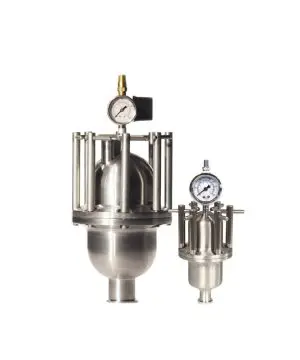
Winston Indonesia is one of the leading distributors of industrial dampeners in Indonesia. With extensive experience in supplying reliable pumping solutions and accessories, Winston Indonesia offers a wide range of dampeners designed to meet the specific requirements of various industrial applications.
The products supplied by Winston Indonesia are recognized for their high quality, durability, and dependable performance, helping your fluid handling systems operate with maximum efficiency and reliability.
If you are looking for a dampener to improve the performance of your fluid transfer system, Winston Indonesia is the right partner. Backed by comprehensive technical support and excellent customer service, Winston Indonesia is ready to help you find the most suitable solution for your industrial application.
Order now and discover how the right dampener can make a significant difference in your industrial operations.

Author Bio
Rian

Team PT Winston technically driven member of PT Winston Indonesia with strong practical knowledge of pumps and fluid handling solutions. We work closely with customers to understand their operating requirements, recommend suitable pump solutions, and introduce products that can improve reliability, efficiency, and overall system performance. With a hands-on and solution-oriented approach, We help bridge technical requirements with practical product selection, ensuring customers receive the right pumping solution for their applications.
See all posts by Rian »