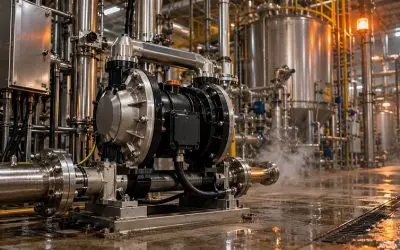
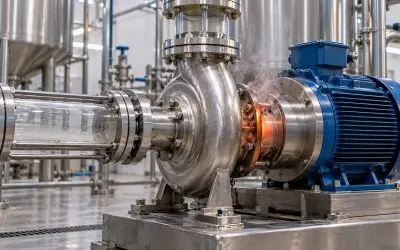
Submersible pumps are essential pieces of equipment in both industrial applications and everyday use. These pumps operate by submerging both the motor and impeller in the water source, allowing them to lift and transfer water to the desired location. To ensure optimal performance, proper submersible pump maintenance is essential throughout its service life.
In wastewater treatment, submersible pumps play a critical role in transporting wastewater from various collection points to treatment facilities. Reliable pump performance is essential to ensure wastewater is conveyed efficiently without disrupting the treatment process.
Why is submersible pump maintenance so important in wastewater treatment? The answer is simple—it ensures a consistent and reliable flow of wastewater. In wastewater treatment systems, maintaining continuous flow is crucial for operational efficiency. Proper maintenance helps prevent unexpected failures or breakdowns that could interrupt the pumping process.
To better understand the importance of proper maintenance, read the complete explanation below.
Overview of Submersible Pumps
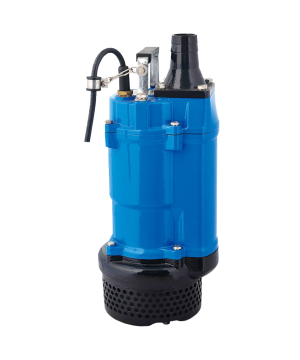
A submersible pump, also known as a submersible water pump, is a type of pump designed to operate while fully submerged in water. Unlike conventional pumps that are installed above ground and draw water through a suction pipe, a submersible pump—including its electric motor—operates entirely underwater.
For example, in a typical household water pump system, the suction pipe is placed inside the well while the pump itself remains above the surface. In contrast, a submersible pump is completely immersed in the water source during operation.
Submersible pumps are commonly used to lift water from underground or submerged sources and deliver it to the required destination. Since water is an essential resource in everyday life and industrial operations, submersible pumps play a vital role in ensuring a reliable water supply.
Fundamentally, a submersible pump performs the same basic function as other pump types—transferring liquid from one location to another. What distinguishes it is that both the pump and its drive motor remain fully submerged throughout operation.
Read also: How to Choose a Submersible Pump for the Mining and Construction Industry
Why Is Proper Submersible Pump Maintenance Important?
Submersible pumps operate by being submerged in water and using an electric motor to drive one or more impellers. As the impellers rotate, they draw water into the pump and create a continuous flow.
Although submersible pumps are built for durability, they still require regular maintenance to ensure long-term reliability and optimal performance. Routine maintenance is especially important in industrial wastewater treatment applications, where uninterrupted operation is critical.
The main reasons why submersible pumps require proper maintenance include:
- Ensuring efficient performance
- Minimizing the risk of unexpected failures
- Preventing premature equipment damage
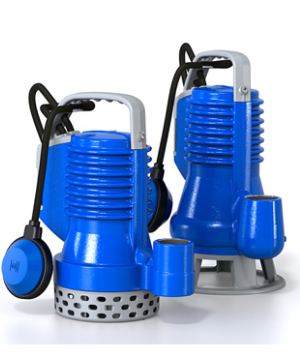
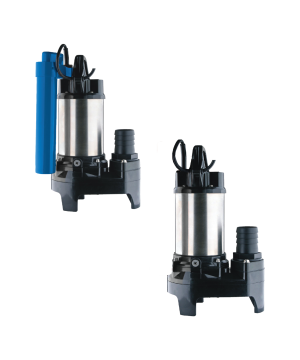
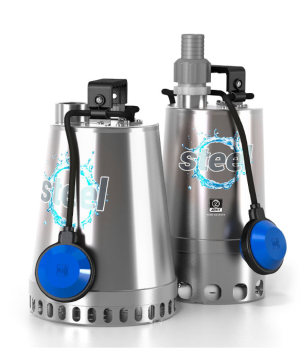
Products Submersible Pump
8 Essential Steps for Submersible Pump Maintenance
To maximize performance and extend the service life of your submersible pump, regular and proper maintenance is essential. Below are eight important maintenance practices you should follow.
1. Prevent Dry Running
Dry running occurs when a submersible pump operates without sufficient liquid for lubrication and cooling. This condition can severely damage the pump.
To prevent dry running, install a well or liquid level monitoring system. This mechanism automatically shuts down the pump whenever the water level drops below the safe operating limit, protecting the pump from overheating and excessive wear.
2. Inspect the Motor Regularly
Motor inspection is a vital part of submersible pump maintenance.
Regularly inspect the motor housing for physical damage, moisture intrusion, or any signs of deterioration that could affect electrical components. Also monitor the motor’s operating temperature to ensure it remains within the manufacturer’s recommended range.
During inspections, check electrical connections, signs of corrosion, and listen for any unusual noises that may indicate developing mechanical problems.
3. Prevent Overheating
Although submersible pumps operate underwater, overheating can still occur under certain conditions.
Excessive heat may damage the motor and other internal components. To reduce this risk, ensure adequate cooling conditions around the motor and continuously monitor operating temperatures. Any indication of overheating should be addressed immediately.
4. Replace Worn Seals and Hoses
Seals and hoses that show signs of wear, cracks, or damage should be replaced promptly.
Properly functioning seals prevent water leakage and help maintain pump efficiency. Damaged seals or hoses can lead to leakage, reduced performance, and damage to surrounding components.
5. Operate at the Best Efficiency Point (BEP)
The Best Efficiency Point (BEP) is the operating condition where the pump achieves maximum efficiency while delivering the required flow rate and pressure.
Operating significantly above or below the BEP may lead to problems such as cavitation, excessive vibration, and motor overload. Adjusting operating conditions to remain as close as possible to the BEP helps maximize performance and extend equipment life.
Read also: Pump Cavitation: Definition, Types, and Prevention Methods
6. Apply Protective Coatings
Applying protective coatings provides additional resistance against corrosion, abrasion, and chemical attack.
Anti-corrosion coatings, for example, help protect the pump surface from aggressive water conditions or corrosive chemicals, extending the pump’s service life while maintaining water quality.
7. Stabilize the Power Supply
Voltage fluctuations can damage the motor and electrical components of a submersible pump.
Installing a voltage stabilizer or surge protection device helps maintain a stable power supply, protecting the pump and increasing its operational lifespan.
8. Perform Routine Maintenance
Routine preventive maintenance is highly recommended to identify and replace worn components before they affect pump performance.
Maintenance should generally be performed at least once a month or according to the manufacturer’s maintenance schedule.
Choose a High-Quality Submersible Pump from Winston Indonesia
Proper submersible pump maintenance is essential for maintaining optimal performance and extending equipment life. In addition to regular maintenance, selecting a high-quality pump is equally important.
Winston Indonesia offers premium-quality submersible pumps backed by comprehensive after-sales support to maximize your investment.
Winston Indonesia also provides free technical consultations to help you choose the most suitable submersible pump for your industrial application. If necessary, their experienced technical team can conduct on-site visits to ensure your pump operates at peak performance.
By following the proper maintenance procedures and choosing a reliable submersible pump from Winston Indonesia, you can ensure a dependable and efficient water supply for your industrial operations.
Contact Winston Indonesia today for more information and take advantage of their free consultation services to find the ideal pumping solution for your business.