Mechanical seal leakage is often a serious issue in pump system operations, as it can negatively impact the efficiency and reliability of machinery. Understanding the causes of mechanical seal leakage is an important step in implementing effective prevention strategies.
To maximize the performance of pumps in your industry, having a deep understanding of the factors that can cause leakage is essential. One common cause of mechanical seal leakage is a lack of precision in the design or manufacturing process.
Suboptimal designs or manufacturing defects in mechanical seals can increase the likelihood of leakage, which may disrupt pump operations. Therefore, it is important to select and use mechanical seals that have been designed and manufactured according to high-quality standards.
Explore Other Best Products from Winston:
Material selection also plays a crucial role in preventing leakage in mechanical seals. Pumps used to handle specific liquids or substances should be equipped with mechanical seals made from materials resistant to corrosion and chemical reactions.
There are still several other reasons why the mechanical seal in your pump may experience leakage. Let’s explore the complete explanation below.
Overview of Mechanical Seals
Mechanical seals are essential components in water pump systems that function to prevent leakage or fluid transfer between two machine parts moving relative to one another. Mechanical seals ensure that water pumps can operate without unwanted leakage, thereby maintaining system performance and improving energy efficiency.
The primary functions of mechanical seals in water pumps include keeping the pumped fluid contained within the system, preventing energy loss, and ensuring smooth fluid flow. Made from wear-resistant and corrosion-resistant materials, mechanical seals are capable of withstanding the high pressures and temperatures commonly encountered in pump operations.
10 Causes of Mechanical Seal Leakage
Understanding the causes of mechanical seal leakage is an important first step in addressing and preventing its impact on productivity and operational sustainability. Below are several factors that may cause mechanical seal leakage.
1. Excessive Pressure
Mechanical seal leakage is often triggered by excessive pressure that creates unwanted friction. Pressure exceeding the recommended limit can damage the mechanical seal and increase the risk of leakage.
It is important to carefully check the recommended pressure specifications. Ensure that the water pump pressure remains within the specified limits to reduce excessive friction and prevent potential leakage that may disrupt system operations.
2. Insufficient Lubrication
One commonly overlooked cause of leakage is insufficient lubrication in the mechanical seal. Proper lubrication is essential to prevent excessive friction and heat that can damage the seal.
Routine inspections of the mechanical seal lubrication level should be carried out. Always ensure that lubricant is added according to guidelines to maintain smooth operation and prevent possible leakage.
3. Excessive Temperature
Excessive temperature in water pumps is one of the main factors that can cause mechanical seal leakage. Regular temperature monitoring is a crucial preventive measure.
Ensure that the water pump temperature remains within a safe range and does not overheat. If possible, using a cooling system from the discharge side can effectively prevent excessive temperatures that may lead to mechanical seal leakage.
4. Excessive Pump Discharge Flow
Excessive pump discharge flow can cause mechanical seal leakage due to significant increases in pressure and fluid flow velocity. High pressure and velocity can place excessive stress on the mechanical seal, causing wear or damage.
In addition, vibrations generated by excessive discharge flow can create imbalance and overheating in the discharge system, further worsening the condition of the mechanical seal and increasing the risk of leakage.
Related Products from Winston Indonesia
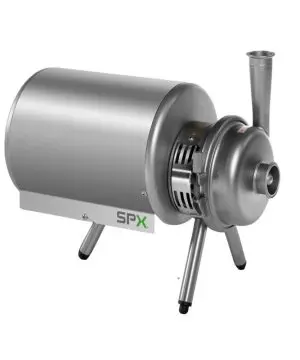
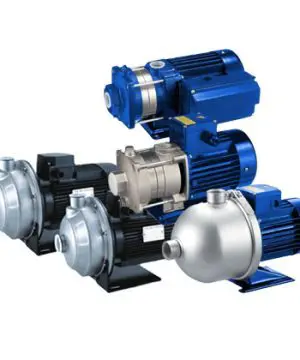
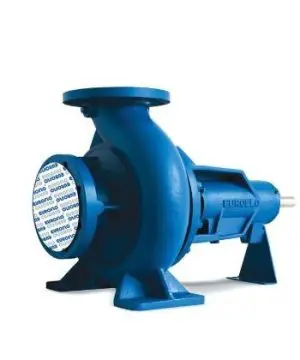
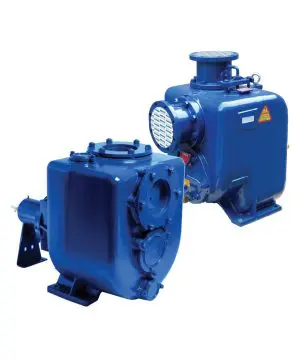
Centrifugal Pumps

5. Wear or Damage
Wear or damage to mechanical seal components can be a significant cause of leakage. Therefore, regular inspections should be performed to detect signs of wear or damage. Immediate replacement of damaged mechanical seals will help maintain pump operation continuity and prevent leakage that may harm the system.
6. O-Ring Jamming
An O-ring experiencing jamming is a common trigger of mechanical seal leakage. This issue may occur when the O-ring becomes pinched or blocked by dirt or particles entering the O-ring gaps.
Regular inspection and cleaning of O-rings are necessary to prevent jamming that could cause leakage. These preventive measures help maintain mechanical seal performance and avoid operational losses caused by leakage.
7. Restricted Elastomer Movement
Restricted elastomer movement can also cause mechanical seal leakage. Poor elastomer movement may create excessive friction, eventually leading to leakage.
To prevent this issue, periodic inspection of the elastomer condition is required. Ensure there are no obstructions interfering with elastomer movement to maintain smooth operation and prevent unwanted leakage.
8. Shaft or Sleeve Without Proper Coating Hardening
Damage or wear on the coating can create excessive friction that leads to leakage. Therefore, regular inspection of the coating condition is essential, and proper maintenance should be carried out to prevent leakage caused by coating damage.
These preventive measures are important to maintain operational continuity and avoid losses due to mechanical seal leakage.
9. Lack of Compression in the Mechanical Seal
Insufficient compression in a mechanical seal is a common cause of leakage. This condition can create gaps between the seal faces, eventually causing fluid leakage.
It is important to regularly inspect and adjust the compression according to the manufacturer’s recommendations. This helps prevent leakage caused by insufficient compression and ensures optimal mechanical seal performance.
10. Improper Installation
Improper installation can be one of the primary causes of mechanical seal leakage. It is essential to carefully follow the installation instructions recommended by the manufacturer, including ensuring that all components are installed correctly with proper tightening and adjustment.
In addition, make sure that insoluble contaminants or foreign particles do not enter the system during installation, as this may damage the mechanical seal. These precautions are important to prevent leakage caused by installation errors, ensure system reliability, and minimize unwanted operational risks.
To ensure optimal mechanical seal installation in the field, the Winston Indonesia team is available for on-site visits. Winston Indonesia’s experienced and skilled team is ready to provide the guidance and technical support needed to ensure smooth and efficient mechanical seal installation.
In addition, to meet the demand for high-quality water pumps, Winston Indonesia provides reliable centrifugal pumps. With high-quality product specifications and excellent after-sales service, Winston Indonesia is committed to delivering the best solutions and supporting the success of your business operations.
Contact Winston Indonesia today to discuss your pump and mechanical seal installation needs. Do not hesitate to invite the Winston Indonesia team for an on-site visit to ensure your pump system operates optimally and remains reliable in the long term.