Choosing between an oil-free and an oil-lubricated compressor is one of those decisions that can feel overwhelming if you are not sure what to look for. Both types have their place, and the “better” option really comes down to what you need the compressor to do. If you are running a small workshop, managing an industrial facility, or simply trying to keep your equipment running smoothly day after day, understanding the differences will save you time, money, and a fair bit of frustration.
Let us break it all down in plain terms.
How Each Type Works
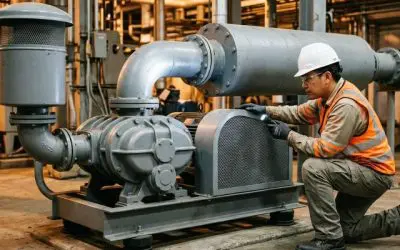
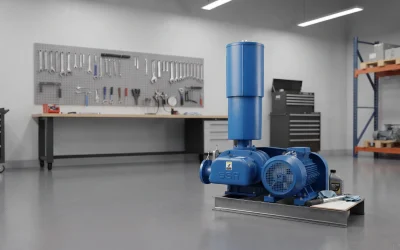
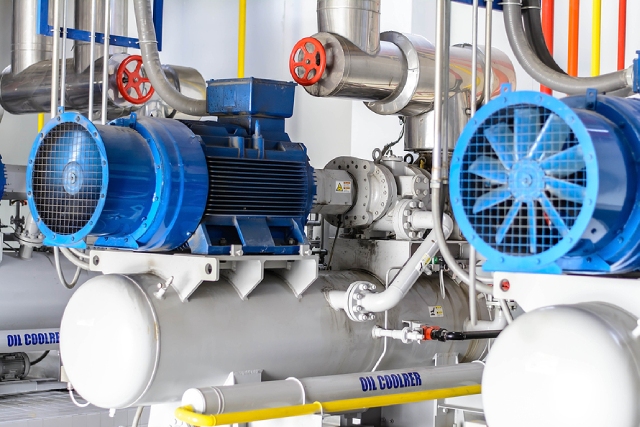
At the heart of it, the difference lies in lubrication. An oil-lubricated compressor uses oil to reduce friction between moving parts inside the compression chamber. This keeps the internal components cool and well-protected, especially under heavy or continuous use.
An oil-free compressor, on the other hand, uses pre-lubricated or coated components, typically made from materials like Teflon or similar composites. These materials allow the compressor to run without any oil in the compression chamber itself. The compressor design varies between the two types, and that difference in construction directly affects performance, maintenance, and running costs.
Think of it like this: oil-lubricated models are the workhorses, built for endurance, while oil-free models are the sprinters, designed for clean, quick delivery.
Air Quality: The Big Differentiator
One of the most important factors in choosing a compressor is the quality of the air it produces.
Oil-lubricated compressors can introduce trace amounts of oil vapour into the compressed air stream. For many industrial applications, this is perfectly acceptable. But in environments where air purity is critical, such as food and beverage production, pharmaceuticals, electronics manufacturing, or medical settings, even trace contamination is a problem.
Oil-free compressors deliver clean, uncontaminated air straight from the machine. This makes them the go-to choice in industries where air quality directly affects the end product or the health and safety of people in the space.
According to the Singapore Standards Council, industries in Singapore handling food, medical devices, and controlled environments are increasingly required to meet strict air purity standards, which has driven greater adoption of oil-free systems in recent years.
Maintenance and Running Costs
Here is where things get interesting, and where a lot of buyers make their decision.
Oil-lubricated compressors require regular oil changes, filter replacements, and monitoring of oil levels. It is ongoing maintenance, but it is manageable and well understood. Neglecting it, however, can lead to faster wear and costly repairs down the line.
Oil-free compressors generally have lower day-to-day maintenance requirements. There is no oil to change, no oil filters to replace. However, the components that make them work, particularly the coated or pre-lubricated parts, do wear over time. When they wear out, replacement can be more expensive than the equivalent parts in an oil-lubricated machine.
That said, for applications where contamination-free air matters, the reduced maintenance complexity of oil-free models is a genuine advantage.
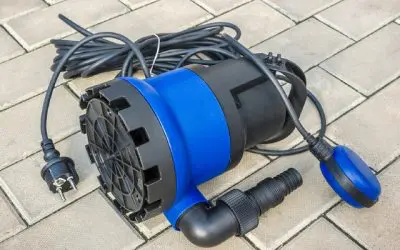
A useful comparison to keep in mind: think of an oil-lubricated compressor the way you think about a sump pump in a basement. Both rely on regular upkeep to keep running efficiently. Skip the maintenance, and you are asking for trouble. The same discipline applies to oil-lubricated compressors, whether you are draining oil or monitoring fluid levels.
Performance and Longevity
If you need a compressor that can handle heavy, continuous-duty cycles, an oil-lubricated model is typically the stronger performer. The oil provides constant lubrication and cooling, which allows the machine to run for longer periods without overheating.
Oil-free compressors are excellent for intermittent use and lighter-duty tasks. They tend to run at higher noise levels due to increased friction and are generally not built for the same sustained heavy output as their oil-lubricated counterparts.
Here is a quick overview of where each type typically excels:
| Feature | Oil-Free | Oil-Lubricated |
| Air purity | High (no oil contamination) | Moderate (risk of trace oil) |
| Maintenance effort | Lower day-to-day | Regular oil changes needed |
| Duty cycle | Light to moderate | Heavy, continuous use |
| Upfront cost | Generally higher | Generally lower |
| Replacement part cost | Higher | Lower |
| Noise level | Typically louder | Typically quieter |
| Best for | Food, medical, electronics | Industrial, automotive, manufacturing |
Which Industries Use Which?
In Singapore’s industrial landscape, both types of compressors are widely used. Manufacturing remains one of the country’s key economic pillars, accounting for roughly 20% of GDP. Within manufacturing, compressed air systems are among the most energy-intensive utilities, making the right choice of compressor an important operational and financial decision.
Oil-lubricated compressors dominate in:
- Automotive workshops and service centres
- General manufacturing and fabrication
- Construction and heavy industry
- Pneumatic tool operation
Oil-free compressors are preferred in:
- Pharmaceutical and biomedical production
- Food and beverage processing
- Semiconductor and electronics manufacturing
- Dental and medical clinics
Energy Efficiency
Energy costs are a real concern, particularly in Singapore where electricity tariffs for commercial and industrial users can be significant. Industrial users accounted for a substantial portion of national electricity consumption, and compressed air systems are often cited as one of the largest energy users within a facility.
Oil-lubricated compressors, particularly those with variable speed drives (VSDs), tend to be more energy efficient over time because the oil reduces internal friction. Oil-free models can consume more energy for the same output, though newer designs have narrowed this gap considerably.
If energy efficiency is a priority, it is worth discussing VSD options and load profiles with a qualified engineer before making your purchase.
So, Which Is Better?
The honest answer is: it depends entirely on your application.
If you need clean, uncontaminated air and your operations cannot tolerate even trace oil, an oil-free compressor is the right tool. If you need reliable, heavy-duty performance over long operating hours at a lower upfront cost, an oil-lubricated model will serve you well.
Neither type is universally superior. The best compressor is the one that matches your specific operating environment, air quality requirements, duty cycle, and budget.
Speak to the Experts at Winston Engineering
Still not sure which type of compressor is right for your operation? That is exactly where Winston Engineering can help. With deep expertise in compressed air systems across industries in Singapore and the region, Winston Engineering’s team can assess your specific needs and recommend the most suitable solution, whether that is oil-free, oil-lubricated, or something more tailored entirely.
Get in touch with Winston Engineering today for a no-obligation consultation. Making the right choice from the start saves you time, money, and unnecessary headaches down the road.

Author Bio
Team Winston Engineering

Team Winston Engineering is made up of pump specialists, engineers, and industry experts with over 40 years of hands-on experience in fluid management solutions. Founded in Singapore in 1977, Winston Engineering has grown into Southeast Asia's leading pump specialist, serving industries ranging from oil and gas to water treatment, HVAC, and power generation. With regional offices across Singapore, Malaysia, Indonesia, and China, the team brings deep technical expertise and a customer-first approach to every project, backed by the region's only state-of-the-art pump test bay.
See all posts by Team Winston Engineering »