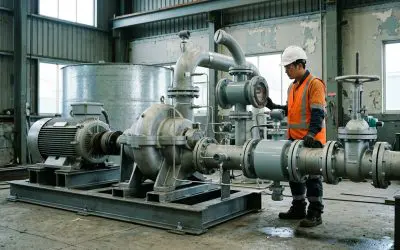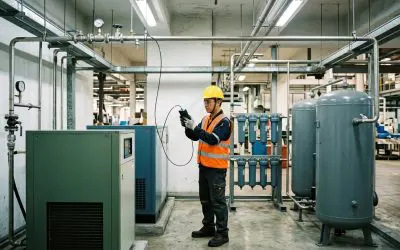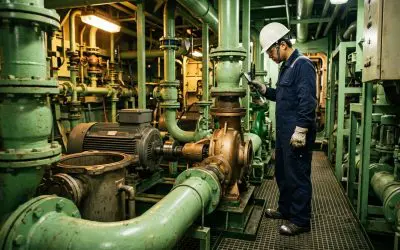
Energy costs are a real concern for businesses in Singapore, especially for small and medium enterprises (SMEs) running energy-hungry equipment day in, day out. If you have been looking for ways to reduce your electricity bills while upgrading your equipment, the Energy Efficiency Grant (EEG) might be exactly what you need.
Here is a straightforward guide to help you understand what the EEG is, who can benefit from it, and how to make the most of it.
What Is the Energy Efficiency Grant?
The Energy Efficiency Grant is a financial support scheme administered by the Energy Market Authority (EMA) in partnership with the Economic Development Board (EDB). It was introduced to help Singapore-based businesses, particularly SMEs, offset the cost of adopting energy-efficient equipment.
The grant covers up to 70% of qualifying costs, which makes it a significant opportunity for businesses that have been putting off equipment upgrades due to budget constraints. Rather than waiting years to see a return on investment from energy savings alone, the EEG helps you get there much faster.
Who Is It For?
The EEG is open to businesses across several key sectors, including:
- Food Services (e.g., restaurants, hawker stalls, food manufacturers)
- Food Manufacturing
- Retail
- Hospitality
- Building Services (for businesses in commercial buildings)
To qualify, your business must be registered and operating in Singapore, and the equipment you are purchasing must appear on the EMA’s list of pre-approved energy-efficient models.
It is worth noting that the scheme is specifically targeted at SMEs, so larger corporations generally will not be eligible. If you are unsure whether your business qualifies, the EMA website has a helpful eligibility checker.
What Equipment Does It Cover?
One of the most practical aspects of the EEG is that it covers equipment that businesses actually use every day. Depending on your sector, this includes:
- Air-conditioners
- Air compressors
- Chillers
- Cooking hobs
- LED lighting
- Motors
- Refrigeration equipment
For manufacturers and industrial businesses, air compressors are often one of the biggest energy consumers on the floor. This makes them a particularly worthwhile upgrade to consider under the grant. There is quite a bit of misinformation floating around online regarding eligibility, so if you have come across common myths about the EEG grant for air compressors, it is always best to check directly with EMA or speak to an authorised equipment supplier who can guide you properly.
Why Energy Efficiency Matters for Singapore Businesses
Singapore has set ambitious sustainability targets as part of its Singapore Green Plan 2030. Businesses play a central role in helping the country hit these goals, and the government has made it clear that energy efficiency is not just an environmental issue but an economic one too.
According to the EMA, the industrial sector accounts for a significant share of Singapore’s total energy consumption. By switching to more efficient equipment, businesses can meaningfully reduce both their carbon footprint and their monthly utility bills.
This is also where an energy audit in Singapore becomes genuinely useful. Before you invest in new equipment, an energy audit helps you understand exactly where your business is losing energy and which upgrades will deliver the best return. Many businesses are surprised to discover that certain pieces of equipment are consuming far more power than expected. An audit gives you a clear, data-backed picture so that any investment you make is a smart one.
How Much Can You Claim?
The grant covers up to 70% of the cost of qualifying equipment, capped at a maximum amount per equipment category. These caps are updated periodically, so it is important to check the latest figures on the EMA website before making any purchasing decisions.
Here is a general idea of what the support structure looks like:
| Equipment Type | Support Level |
| Air compressors | Up to 70% of cost |
| Air-conditioners | Up to 70% of cost |
| LED lighting | Up to 70% of cost |
| Refrigeration equipment | Up to 70% of cost |
Specific dollar caps apply per category, and businesses may apply for multiple equipment types, provided they meet the relevant criteria for each.
How to Apply
The application process is managed through the Business Grants Portal (BGP), which is the centralised platform for most government business grants in Singapore.
Here is what the typical process looks like:
1. Check eligibility using the EMA’s online tools
2. Select pre-approved equipment from the EMA’s approved product list
3. Submit your application via the Business Grants Portal before purchasing the equipment
4. Purchase and install the equipment after receiving approval
5. Claim the grant by submitting the relevant invoices and proof of purchase
One important point: you must apply before purchasing the equipment. Applications made after the fact will not be accepted. This is a step that businesses sometimes miss, so it is worth flagging early.
Common Mistakes to Avoid
Beyond applying after purchase, there are a few other pitfalls to watch out for:
- Choosing equipment not on the approved list. Even if a product is highly energy efficient, it will not qualify unless it is pre-approved by EMA.
- Missing the application window. The EEG has had various phases and deadlines. Always confirm that the scheme is currently active and accepting applications.
- Not factoring in installation costs. The grant covers equipment costs, not installation. Make sure you budget for this separately.
Is the EEG Still Available?
As of the time of writing, the EEG remains open, though the scheme has been updated across different phases. Given that government grant schemes can change, it is always wise to verify the current status and available funding directly on the EMA website or via the Business Grants Portal.
Ready to Make the Move?
Understanding your options is one thing, but taking the next step can feel daunting, particularly when it comes to choosing the right equipment for your specific operational needs.
Get in touch with Winston Engineering today and take a confident step towards a more energy-efficient, cost-effective operation.

Author Bio
Team Winston Engineering

Team Winston Engineering is made up of pump specialists, engineers, and industry experts with over 40 years of hands-on experience in fluid management solutions. Founded in Singapore in 1977, Winston Engineering has grown into Southeast Asia's leading pump specialist, serving industries ranging from oil and gas to water treatment, HVAC, and power generation. With regional offices across Singapore, Malaysia, Indonesia, and China, the team brings deep technical expertise and a customer-first approach to every project, backed by the region's only state-of-the-art pump test bay.
See all posts by Team Winston Engineering »