



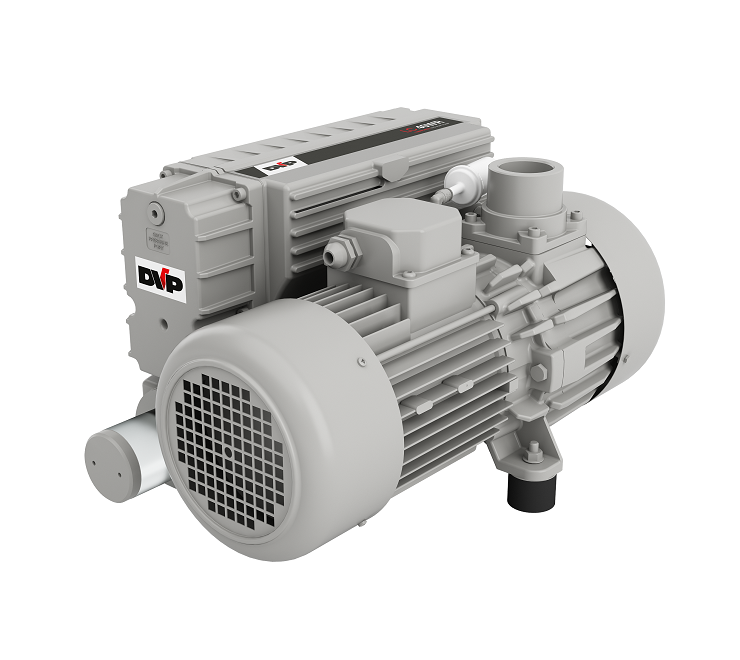
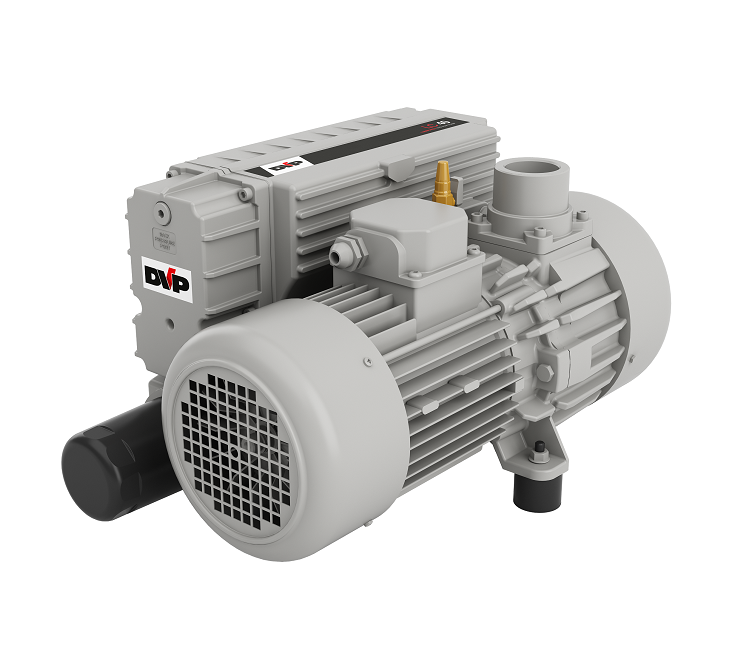
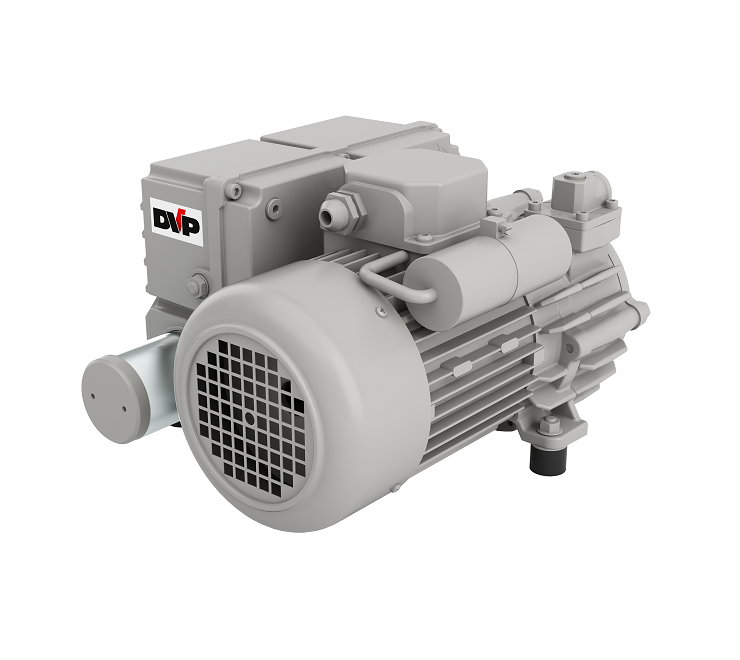
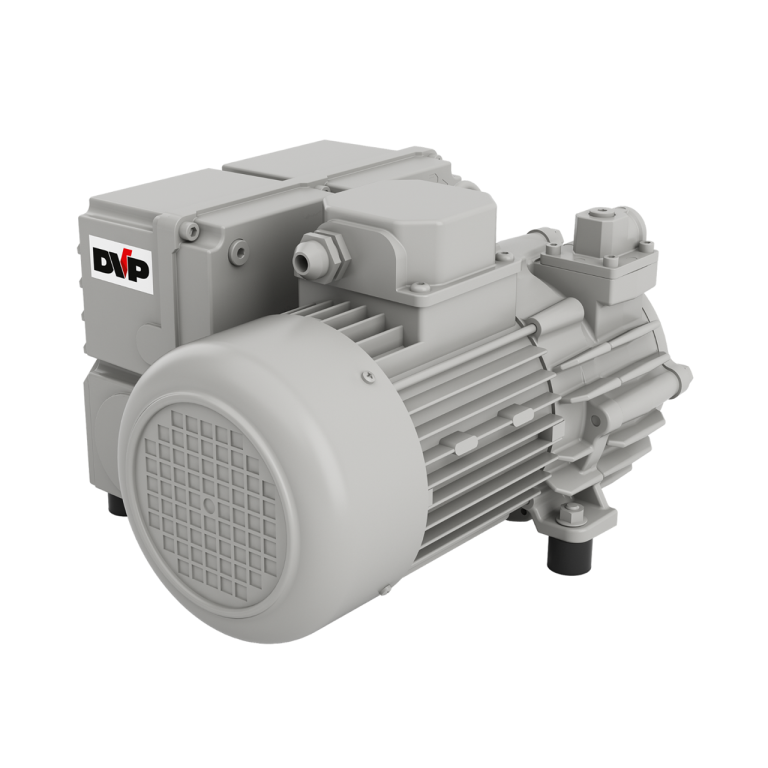
Rotary Pump Singapore – DVP LC Rotary Vane Vacuum Pumps
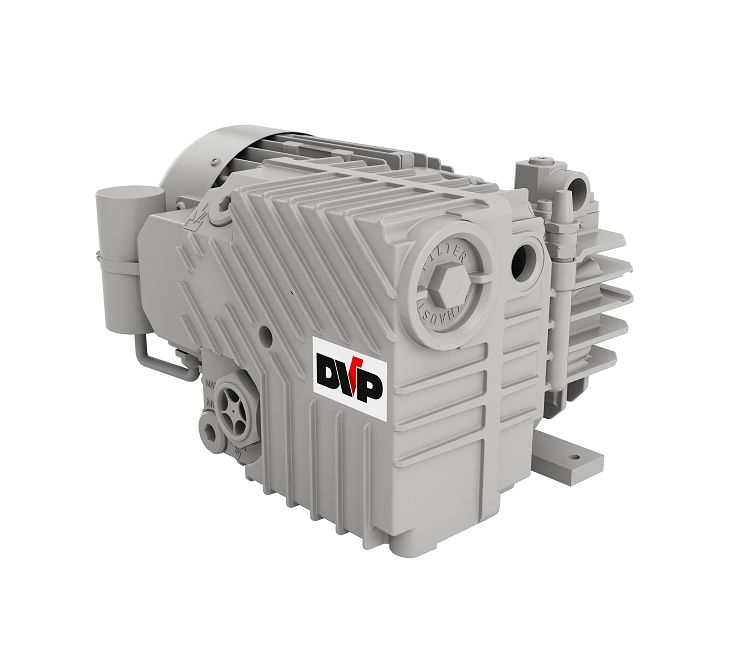
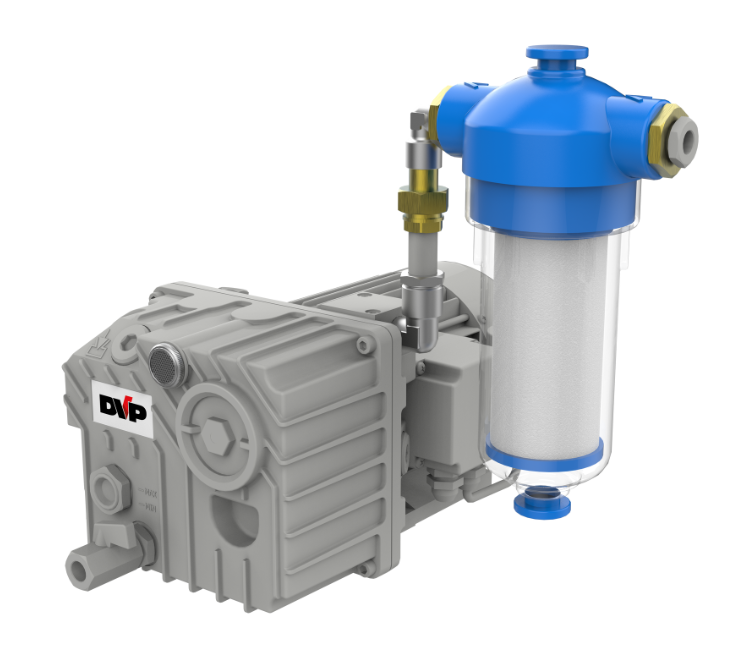
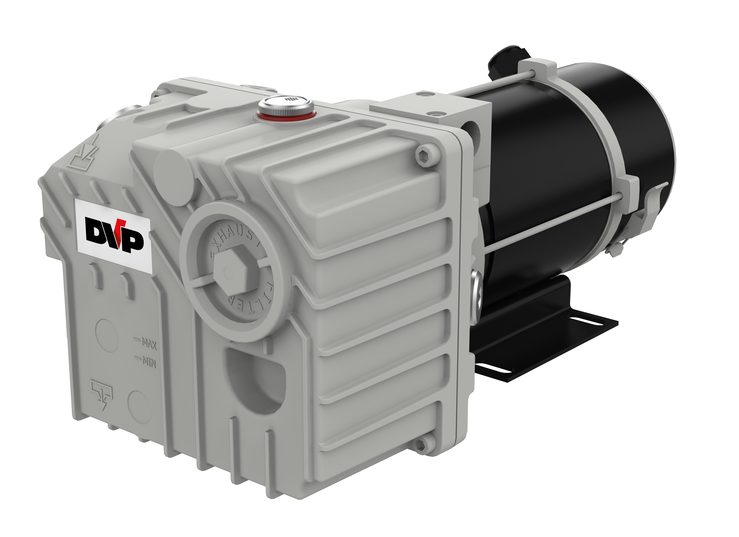
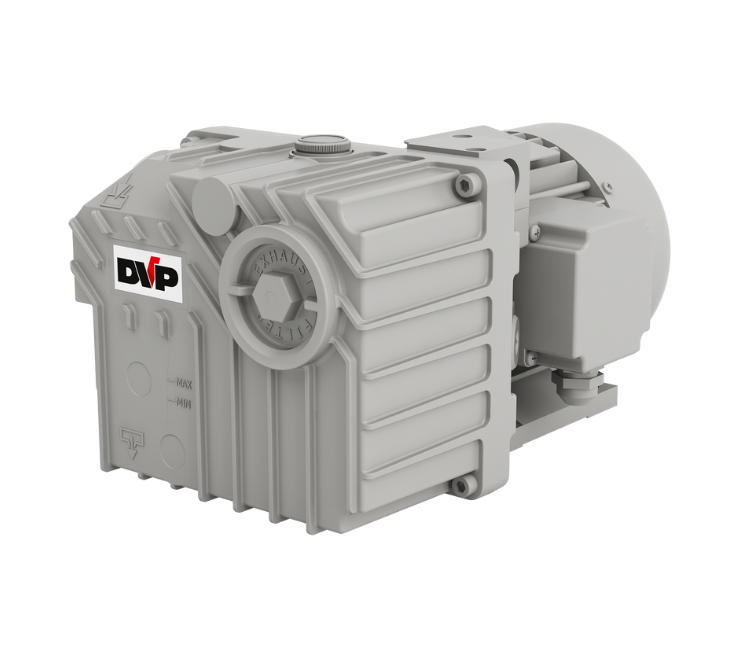
Looking for a rotary pump in Singapore for industrial vacuum duty? The DVP LC Series offers oil-lubricated rotary vane vacuum pumps with selected models spanning 2–305 m³/h at 50 Hz and final pressures down to 0.1 mbar absolute, depending on the model and operating conditions.
Compare specifications below or contact Winston Engineering for model selection, replacement and a quotation.

Description
Specification
Downloads
Rotary pump for industrial vacuum applications in Singapore
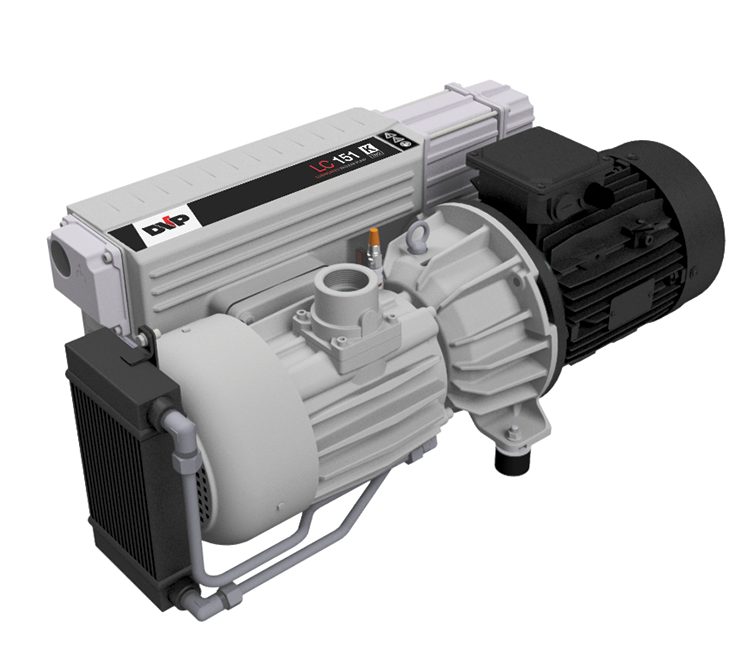
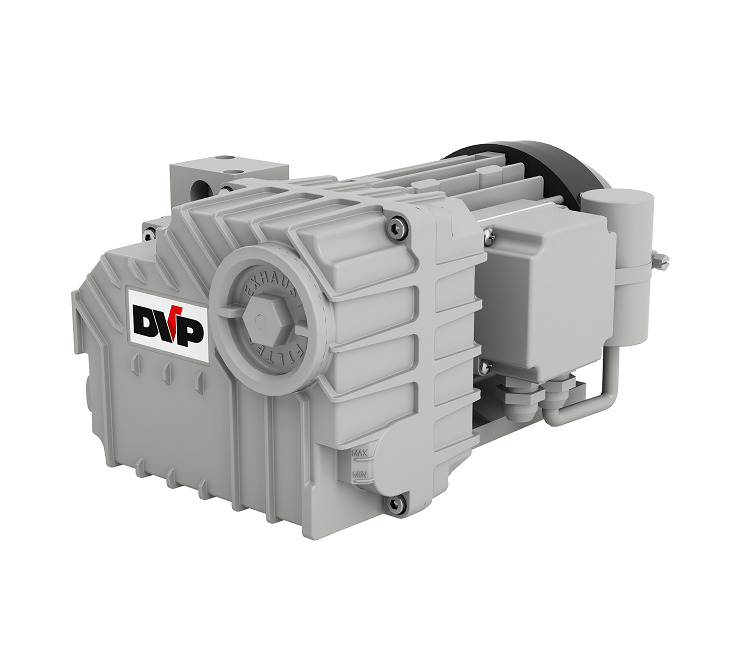
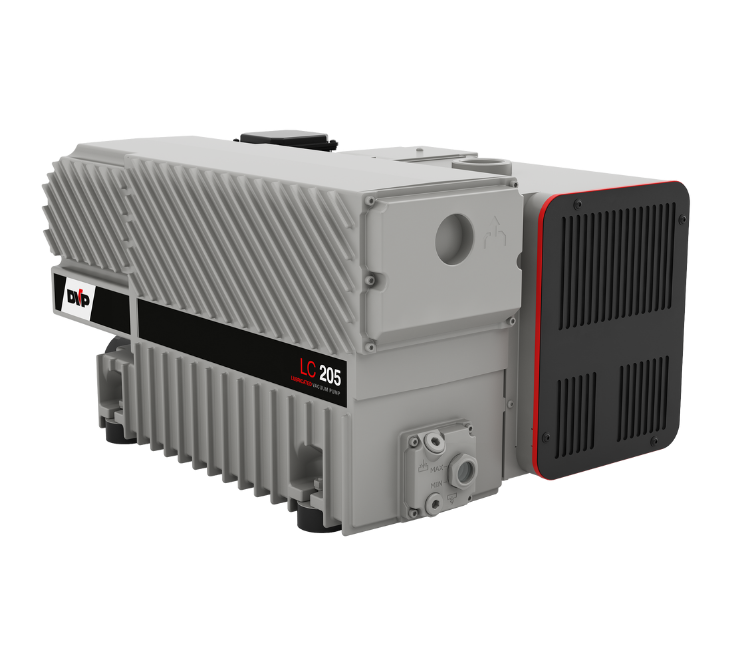
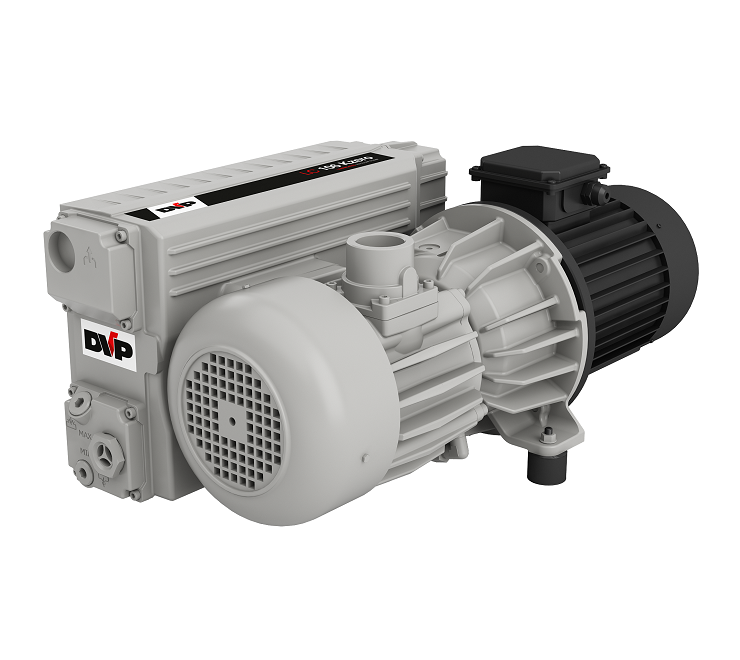
The DVP LC Series is an oil-lubricated rotary vane vacuum pump range supplied by Winston Engineering in Singapore. It removes air or compatible process gas from a sealed system for applications such as vacuum packaging, vessel evacuation and vacuum holding. If you need a rotary pump to transfer liquid, tell us the liquid and duty conditions so we can recommend a suitable liquid-transfer design.
Compare the model specifications below, then send us your required vacuum level, chamber volume or gas flow, and operating cycle. We can help you assess the appropriate LC model, accessories and replacement options.
Compare models | Selection checklist | Technical FAQs | Request a quotation
DVP LC rotary pump model comparison
Nominal capacities are shown separately for 50 Hz and 60 Hz. Final pressure is an absolute pressure rating, not the pressure guaranteed at your machine under load. Confirm the exact model, motor supply, gas-ballast setting and operating conditions before ordering.
| Model / manufacturer data | 50 Hz capacity (m³/h) | 60 Hz capacity (m³/h) | Final pressure (mbar absolute) |
|---|---|---|---|
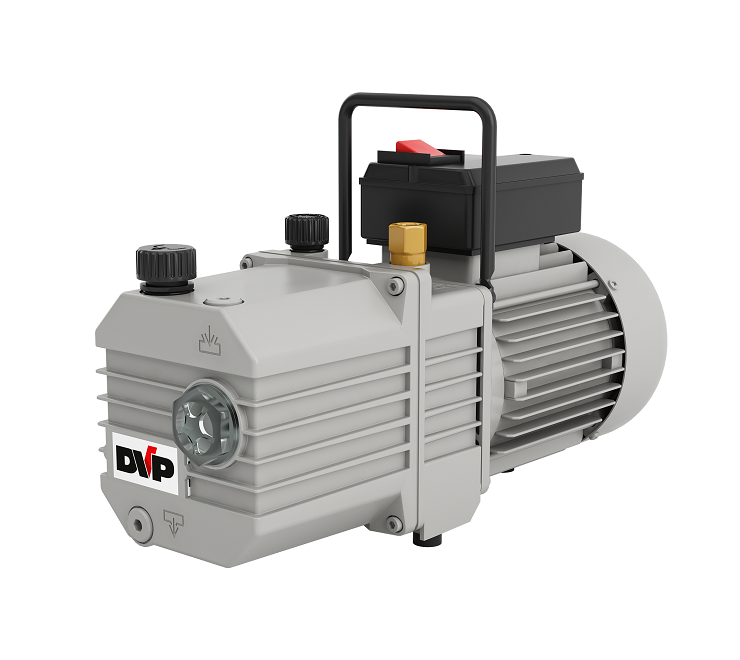
| LC 2 | 2 | 2.5 | 10 |
| LC 4 | 4 | 4.8 | 2 |
| LC 8 | 8 | 9 | 2 |
| LC 12 | 12 | 14 | 2 |
| LC 25 | 25 | 29 | 0.5 |
| LC 40 | 40 | 48 | 0.1, gas ballast closed |
| LC 60 | 60 | 72 | 0.1, gas ballast closed |
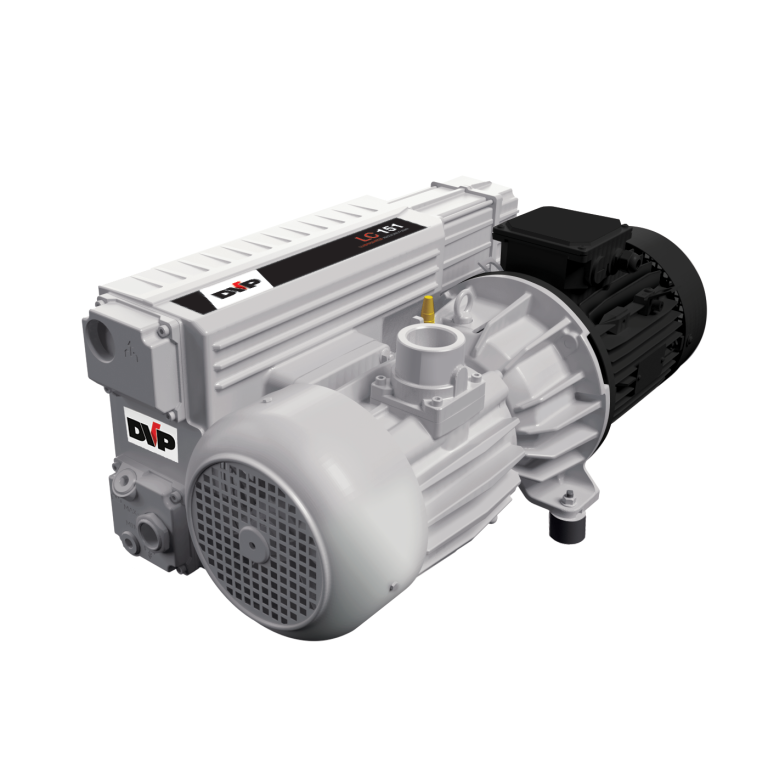
| LC 106 | 106 | 127 | 0.1 |
| LC 205 | 205 | 245 | 0.1 |
| LC 305 | 305 | 365 | 0.1 |
| LC 25WR | 25 | 29 | 4 |
Specifications are model-specific and subject to manufacturer revisions. For LC 20, LC 151, LC 40WR, LC 60WR or an existing installation, send the nameplate and serial number so we can confirm the applicable specification and replacement. Availability and lead time are confirmed with your quotation.
Standard LC, WR and HV variants
- Standard LC: select by pumping speed at the required pressure, permitted continuous-duty range and gas condition. Gas-ballast equipment and oil-recovery arrangements differ between models.
- WR: intended for applications with increased water-vapour loads. The LC 25WR separates water condensate from oil and discharges the water when stopped. Its 4 mbar final pressure differs from the standard LC 25’s 0.5 mbar rating.
- HV: the LC 205HV and LC 305HV have downward cooling-air discharge and alternative inlet connections for installation inside packaging equipment. Both are listed at 0.1 mbar absolute; the suffix alone does not indicate a lower final pressure.
How to select a rotary pump for your process
- Specify the operating vacuum. Give the target pressure in mbar absolute, together with the acceptable pressure variation. Distinguish the normal process pressure from the pump’s ultimate pressure.
- Define the load and cycle. For chamber evacuation, provide chamber volume, starting pressure, target pressure and permitted evacuation time. For continuous suction, provide gas flow and operating pressure.
- Describe the gas. Identify water vapour, liquid droplets, dust and any chemicals. Include gas temperature and expected vapour load; these determine whether filtration, condensate separation or a different pump technology is required.
- Check the installation. Provide voltage, phase, frequency, inlet pipe size and length, available ventilation and daily running hours. A restrictive suction line can reduce performance at the machine.
- Plan maintenance access. Allow space to inspect the oil level, replace filters and service the pump. Confirm the correct oil and maintenance schedule for the exact model.
Applications to discuss with our team
DVP lists LC models for packaging, food processing, paper handling, glass and marble machinery, vacuum lifting and precious-metal casting. Each duty needs a model-specific review: packaging depends on chamber volume and cycle time, while vacuum holding depends on the required holding pressure and ongoing air leakage. A pump’s use in a particular industry does not establish certification for every machine or process.
How an oil-lubricated rotary vane pump works
An off-centre rotor carries sliding vanes inside the pump housing. As it rotates, the spaces between the vanes expand to draw gas through the inlet, then contract to discharge it through the exhaust. Oil supports sealing and lubrication. The exhaust mist eliminator and oil-recovery system manage entrained oil; the pump still requires the specified oil, correct installation and routine maintenance.
For a wider technology comparison, see our oil-lubricated rotary vane pump selection guide, vane pump options and vacuum pump range.
Rotary pump: technical questions
Is this rotary pump suitable for transferring oil, water or chemicals?
The DVP LC is a vacuum pump for gas evacuation, not a liquid-transfer pump. “Rotary pump” also describes liquid-handling designs such as gear, screw and lobe pumps, so the name alone is not enough to select equipment. For liquid transfer, provide the fluid, viscosity, temperature, flow rate and discharge pressure. For vacuum service, tell us about any droplets or condensable vapour entering the suction line so the protection and pump type can be assessed.
Will a pump rated at 0.1 mbar achieve 0.1 mbar in my system?
Not necessarily. Final pressure is a pump rating under specified conditions. Leaks, process-gas load, vapour, pipe restrictions and oil condition can prevent the connected equipment from reaching that pressure. Select using the pumping-speed curve at your operating pressure, with allowance for the system load. If an existing machine has lost vacuum, compare pressure at the pump and at the machine and check for leaks and restrictions before choosing a larger pump.
Can the LC Series run continuously?
Continuous-duty limits depend on the model. DVP specifies 400 to 2 mbar absolute for the LC 12, 400 to 0.5 mbar for the LC 25, and 400 to 0.1 mbar for the LC 40/60 with gas ballast closed. These are not interchangeable ratings. Provide the normal inlet pressure, evacuation cycle and time spent at higher pressure so we can check whether the selected model’s duty range suits the application.
When should I use gas ballast or a WR model?
Review these options when the gas contains condensable water vapour. Gas ballast helps manage vapour during compression, but its configuration and effect on final pressure vary by model. A WR model adds condensate management for wetter duties; it is not permission to draw bulk liquid into the pump. Specify the vapour load and process temperature, and check the manufacturer’s water-vapour capacity and operating instructions. Separators or other inlet protection may still be necessary.
Should I choose an oil-free or oil-lubricated vane pump?
Start with the required pressure and process cleanliness. An oil-free design can be appropriate when oil in the pumping chamber is unsuitable, while an oil-lubricated LC model may suit duties requiring a lower final pressure. Compare actual model curves, gas compatibility and maintenance requirements rather than selecting by technology name alone. For example, DVP lists SC 60/80 oil-free models at 150 mbar absolute, so they are not a like-for-like substitute for an LC duty requiring 0.1 mbar.
Can Winston Engineering assess an existing rotary pump for repair?
Contact our vacuum pump repair team in Singapore with the model, serial number, operating hours and symptoms. Useful details include reduced vacuum, longer evacuation time, abnormal noise, overheating, oil leakage or changes in oil appearance. Send the required process pressure and service history so the team can assess repair versus replacement and whether the application contributed to the problem. Avoid assuming that an identical-capacity replacement will resolve a system leak or blocked inlet.
Request a rotary pump quotation in Singapore
Contact Winston Engineering at 1 Joo Koon Way, Singapore 628942, or call +65 6863 3338. For a new installation, send the process duty and electrical supply details. For replacement, include a nameplate photograph and connection dimensions. Our team will confirm model suitability, pricing and lead time.
| Pump Type | Lubricated Rotary Vane |
|---|---|
| Stage | Single-Stage |
| Capacity Range | 2–305 m³/h at 50 Hz; model-dependent |
| Ultimate Pressure | Down to 0.1 mbar absolute on selected models |
| Gas Ballast | Model-dependent; fixed or manually controlled |
| Exhaust Oil Management | Mist eliminator and oil recovery; arrangement varies by model |
| Anti Suck-Back | Yes — Sealed Device |
Our Product
Magnetic Levitation Centrifugal Blower
Vacuum Pump Repair in Singapore
No results found.