Source Image: Freepik
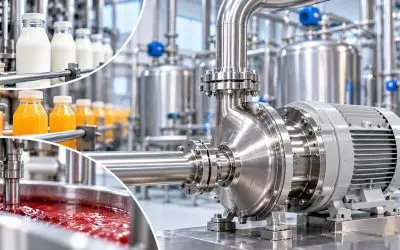
A water pump is a mechanical device used to move water from one place to another efficiently. In various industries, this pump plays an important role in water treatment systems, agriculture, manufacturing, construction, and many other sectors. Understanding how water pumps work, their benefits, and their different types can help in selecting the best solution for various applications.
How a Water Pump Works
A water pump works by creating a pressure difference that allows water to flow from a low-pressure area to a high-pressure area. The working principle varies depending on the type of pump used, but in general, there are two main categories:
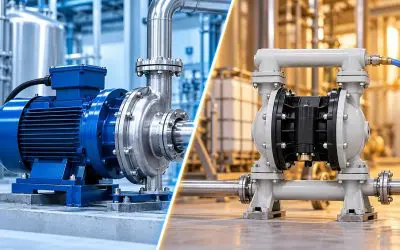
- Dynamic Pumps – Use kinetic energy to increase water velocity, which is then converted into pressure. An example is the centrifugal pump.
- Positive Displacement Pumps – Move water in fixed volumes mechanically, such as diaphragm pumps.
In general, a water pump consists of several main components that work together:
- Impeller – Converts mechanical energy into kinetic energy to push water.
- Casing – Holds the flowing water and directs it into the distribution pipe.
- Suction Pipe – Draws water from its source.
- Discharge Pipe – Directs water to its final destination.
- Motor or Drive Engine – Provides power to operate the impeller or pumping system.
Benefits of Water Pumps in Various Industries
Water pumps are used across many industries for different purposes. Below are some of the main benefits of their use:
1. Clean Water Supply Systems
In both residential and commercial sectors, water pumps are used to ensure a stable supply of clean water. For example, jet pumps are commonly used in homes to transfer water from deep wells into storage tanks.
2. Agriculture and Irrigation
In agriculture, water pumps play an essential role in irrigation systems. Centrifugal pumps are commonly used to supply water to rice fields and farms, while submersible pumps are used for deep wells.
3. Water Treatment Industry
In water treatment plants, pumps are used to transfer wastewater and clean water in large quantities. These pumps assist in filtration, distribution, and liquid waste disposal processes.
4. Construction and Mining
In the construction industry, dewatering pumps are used to remove water from flooded work areas. Meanwhile, in mining operations, slurry pumps are used to move liquids mixed with mud and solid particles.
5. Fire Protection Systems
Water pumps also play a role in fire protection systems by supplying high-pressure water to fire hoses. Fire pumps commonly use end-suction centrifugal pumps or split-case pumps to provide stable water flow.
6. Chemical and Pharmaceutical Industries
In the chemical industry, pumps are used to transfer aggressive liquids or chemicals. Diaphragm pumps are widely used because they can handle corrosive liquids effectively without leakage risks.
Types of Water Pumps and Their Applications
Different types of water pumps are designed to meet various industrial needs. Below are some of the main types and their applications:
1. Centrifugal Pump
How It Works:
Uses a rotating impeller to create centrifugal force that pushes water outward.
Applications:
- Industrial machine cooling systems
- Water distribution in multi-story buildings
2. Submersible Pump
How It Works:
This pump is submerged in water and works by pushing water to the surface.
Applications:
- Deep wells
- Basement drainage and wastewater treatment systems
- Agricultural irrigation
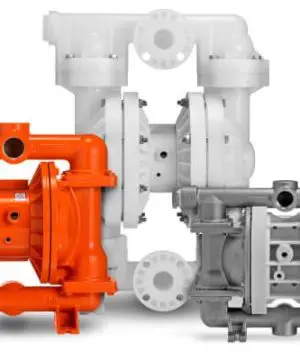
3. Diaphragm Pump
How It Works:
Uses a flexible diaphragm to transfer liquids.
Applications:
- Chemical and pharmaceutical industries
- Transfer of high-viscosity liquids
4. Slurry Pump
How It Works:
Designed to handle liquids containing solid particles.
Applications:
- Mining industry
- Mud handling in construction industries
Tips for Choosing the Right Water Pump
To choose the right product for your needs, consider the following factors:
1. Capacity and Head Pressure
- Ensure the pump capacity matches the required water volume.
- Choose sufficient head pressure to reach the intended distribution point.
2. Pump Type and Power Source
- Electric pumps are more efficient for continuous use.
- Diesel pumps are more suitable for remote areas without electricity.
3. Pump Quality and Material
- Use stainless steel or cast iron for longer durability.
- Choose corrosion-resistant pumps for seawater or chemical applications.
4. Energy Efficiency
- Select pumps with low energy consumption to reduce operational costs.
5. Ease of Maintenance and Spare Part Availability
- Ensure the pump is easy to maintain and has readily available spare parts.
Conclusion
Water pumps are vital devices used in various sectors, from households to heavy industries. By understanding how pumps work, their benefits, and their different types, we can choose the most efficient pumping solution for specific needs.
If you are looking for high-quality products, Winston Indonesia provides a wide range of water pumps for industrial, commercial, and domestic applications. With years of experience as an official distributor, Winston Indonesia offers products from well-known brands that have proven to be reliable and efficient.
For more information about available products and consultation regarding the right solution for your industrial needs, visit Winston Indonesia and place your order today.
Related Products



Author Bio
Rian

Team PT Winston technically driven member of PT Winston Indonesia with strong practical knowledge of pumps and fluid handling solutions. We work closely with customers to understand their operating requirements, recommend suitable pump solutions, and introduce products that can improve reliability, efficiency, and overall system performance. With a hands-on and solution-oriented approach, We help bridge technical requirements with practical product selection, ensuring customers receive the right pumping solution for their applications.
See all posts by Rian »