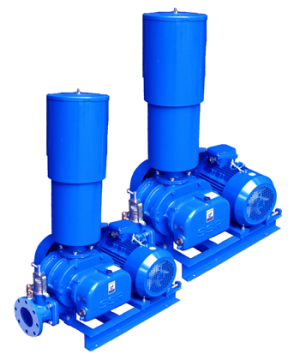
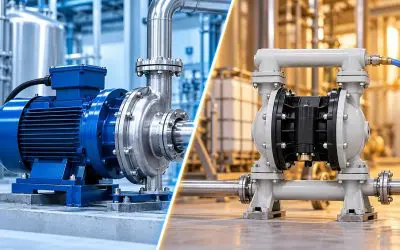
A root blower is a type of compressor that works by utilizing the movement of air molecules inside a mechanical system. Its operating principle involves transferring or changing the position of air to support the air compression process.
As the compressor operates, the compressed air is directed into the desired chamber or system. Airflow movement occurs when there is a difference in air pressure between two separate spaces.
Meanwhile, an air blower functions like a fan that continuously delivers air at higher speeds. It is commonly used for cooling, heating, ventilation, and material conveying applications because it can generate a larger volume of airflow.
Definition of a Root Blower
As we know, blowers are essential components in many industrial systems. Low-pressure blowers are widely used for various applications and operational purposes.
Today, blower technology is commonly utilized in industries ranging from pneumatic conveying systems to wastewater treatment facilities. Various types of blower technologies are also available on the market.
In general, air compression occurs when the air volume decreases over time. Simply put, the air compression process continues as operational conditions change.
A root blower, also known as a lobe blower, is similar to a ring blower and functions as equipment that supplies air, including oxygen. It is commonly used in wastewater treatment plants and fish farming systems that require large amounts of oxygen.
In other words, this equipment acts as an air pump or air-blowing machine. The word “blow” itself means to blow air. The working mechanism is relatively simple: the blower sucks air through the inlet, processes it inside the machine, and then delivers it to the required system.
This type of blower works as a compressor by utilizing the movement of molecules inside the equipment. Through this process, air displacement and pressure changes occur to support air compression.
Functions of a Root Blower
The primary function of a root blower is to transfer and move air from one area to another efficiently. The air discharged by the blower is part of a further transformation process.
In addition, the blower can absorb oxygen from the surrounding atmosphere. Thanks to its high performance and versatile applications, this equipment is widely available in the market.
Root blowers are offered in various models and specifications depending on user requirements. They are also relatively affordable and can be purchased through both offline and online suppliers.
How a Root Blower Works
Inside the compressor section of a root blower, compressed air is continuously delivered into another chamber or system. The airflow movement occurs because of pressure differences between available spaces.
Over time, the air compression process continues as the air volume decreases. More specifically, compression takes place through a continuous rotational movement.
This machine is generally designed with two identical cylindrical rotors in terms of size and shape. The rotors are positioned symmetrically and operate in synchronization to drive the blower mechanism.
One characteristic of this blower is that it produces relatively cool air. In addition, it does not require oil in the compression chamber, making maintenance and differentiation easier.
However, this equipment can be more vulnerable in applications involving extremely low-pressure environments. In wastewater treatment systems, for example, oxygen supplied by the blower supports bacterial growth for biological treatment processes.
A good system combined with proper supporting equipment can significantly improve operational output, making blowers one of the key components in wastewater treatment processes.
Common Applications
Root blowers are commonly used for removing or drying water during washing and processing operations. By using airflow pressure, moisture can be reduced while generating cooler air circulation.
Some common applications include:
- Water treatment systems
- Assisting water lifting and sediment agitation
- Improving combustion efficiency
- Enhancing exhaust gas quality
- Oxygenation in tanks and ponds
- Supporting water circulation systems
- Assisting composting and livestock waste fermentation
Advantages of a Root Blower
One major advantage of a root blower is that the processed air does not mix with oil, preventing oil mist contamination.
Other advantages include:
- Lower noise and vibration levels
- Energy-efficient operation
- Simple and effective design
- Capability to operate at high speeds
- Long service life due to specialized bearings
- Reduced risk of oil leakage because the gear oil system is designed to minimize vibration
Since there are many blower models available, users can select the most suitable type according to their operational needs.
How to Choose the Right Root Blower
Before selecting a root blower, it is important to first understand the intended function and application requirements. This helps avoid purchasing equipment that does not match operational needs.
There are several types of blowers available, including:
- Aerator blowers
- Fan blowers
- Roots blowers
- Ring blowers
Each type has different characteristics, pressure capacities, and performance capabilities. Therefore, users should carefully determine the required airflow pressure and capacity before purchasing.
Winston Indonesia Distributor with the Latest Root Blower Prices
It is important to know that all blower machines offered by Winston Indonesia have been designed and verified to meet high safety standards.
The blower systems are specifically engineered to adapt to various industrial applications, including:
- Power plants
- Steel factories
- Cement plants
- Chemical industries
- Textile industries
- And many other industrial sectors
The three-lobe rotor design provides higher efficiency while also reducing operational noise levels.
If you are looking for high-quality root blowers at competitive prices, Winston Indonesia offers reliable solutions for your industrial needs. Contact the Winston Indonesia team today for more information and professional assistance.