How is the gold mining process actually carried out? Gold mining involves a series of complex stages that require proper technology and methods to extract this precious metal from the earth. Through various stages including exploration, mining, processing, and refining, gold is obtained from naturally occurring ore deposits.
Each stage in the gold mining process plays an important role in ensuring high-quality final results while minimizing environmental impact. By using efficient and environmentally friendly methods, the gold mining industry continues to meet global market demand.
You can find a detailed explanation of the process below.
Gold Mining Process
The gold mining process consists of several stages that require careful planning and advanced technology. Below are the common steps involved in gold mining operations:
1. Discovering Gold Deposits
The first stage in the gold mining process is identifying gold deposits. This usually begins with geological research and preliminary exploration to locate areas with potential gold reserves.
Technologies such as geophysical mapping and satellite imagery are often used to help identify underground gold deposits. This process also involves field surveys and extensive geological data collection to ensure the selected location has significant gold potential.
2. Analyzing the Area
After identifying potential deposits, the next step is conducting a more detailed analysis of the area. This includes in-depth geological studies to understand the rock structures containing gold, mineral composition, and the geotechnical conditions of the site.
Geochemical and geophysical analyses are conducted to determine gold concentration and the presence of other minerals. This information is essential for evaluating the economic feasibility of the mining project and planning the most effective mining strategy.
Read Also: How to Choose Submersible Pumps for Mining and Construction Industries
3. Drilling and Sampling Tests
Drilling and sampling are critical stages in the gold mining process. Core drilling is used to collect rock samples containing gold from beneath the ground. These samples are then analyzed in laboratories to determine gold content and the presence of other minerals.
Data obtained from these tests help determine the size, shape, and quality of the gold deposit. The tests also provide important information regarding the depth and distribution of gold within the deposit.
4. Determining the Mining Method
Based on the results of the analysis and sample testing, the type of mine to be developed is determined. There are two main types of gold mines: open-pit mining and underground mining.
Open-pit mining is used when gold deposits are located near the surface, while underground mining is used for deeper deposits. The choice of mining method is also influenced by factors such as cost, environmental impact, and available technology.
5. Building Infrastructure
Before mining activities begin, the necessary infrastructure must be constructed. This includes access roads, processing facilities, water management systems, and mining equipment.
Developing this infrastructure requires detailed planning and significant investment. Proper infrastructure is essential to ensure mining operations run smoothly, efficiently, and safely.
6. Sample Mining and Process Determination
After the infrastructure is completed, the initial mining phase begins by extracting gold samples from the mining site to determine the most effective processing method.
This stage includes preliminary excavation and testing of mining and processing techniques that will later be used on a full scale. The collected samples are used to test gold extraction methods such as flotation, cyanidation, or amalgamation.
7. On-Site Processing
Once the processing method has been determined, gold is extracted from the mined ore directly at the mining site (on-site).
Gold ore is crushed and ground into fine particles. The ore is then processed using various physical and chemical methods to separate gold from other minerals. This process includes crushing, grinding, gravity concentration, flotation, and the use of chemicals such as cyanide to dissolve gold.
8. Off-Site Refining
After the gold has been extracted from the ore, the next stage is refining. This process is typically carried out at a separate refining facility (off-site).
The refining process involves heating the gold in furnaces and using additional chemicals to remove impurities and other metals contained in the gold. The final result is gold bars or other forms of refined gold ready for the market.
9. Mine Reclamation
Once mining activities are completed, the final stage is mine reclamation. This process aims to restore former mining land into a safe and environmentally sustainable condition.
Reclamation includes filling mining pits, restoring soil quality, replanting vegetation, and managing wastewater. The primary goal is to minimize the environmental impact of mining activities and ensure the land can be reused for future purposes.
10. Environmental Monitoring and Management
During and after mining operations, continuous environmental monitoring and management are essential. This includes monitoring water quality, managing mining waste, and assessing impacts on local flora and fauna.
These measures are necessary to ensure that mining activities do not cause long-term environmental damage and to comply with applicable environmental regulations.
11. Auditing and Reporting
Gold mining operations must undergo regular audits and reporting to ensure that all activities comply with industry standards, laws, and regulations.
This includes reporting gold production, chemical usage, and environmental impacts resulting from mining activities. Internal and external audits are conducted to ensure transparency and accountability throughout the mining process.
Data obtained from these audits are also used to improve operational efficiency and meet legal requirements.
So, do you now have a better understanding of the gold mining process? Each stage requires advanced planning and technology to ensure efficient gold extraction while maintaining environmental responsibility. It is important to choose the right mining methods and ensure environmental sustainability during and after mining operations.
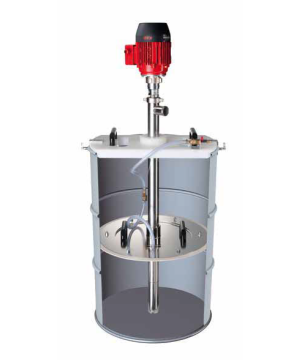
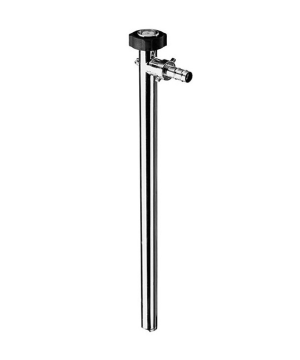
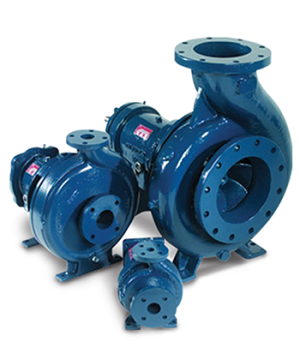
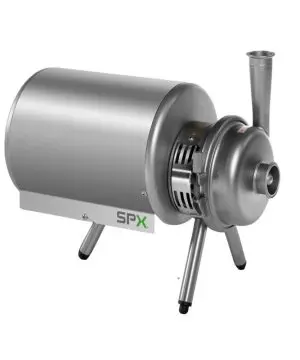
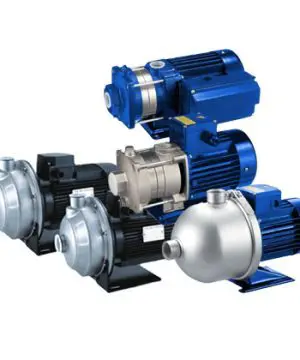
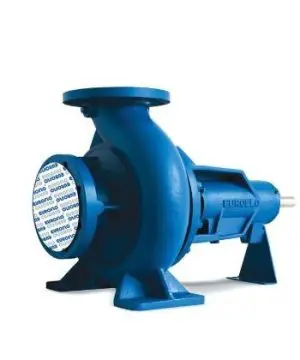
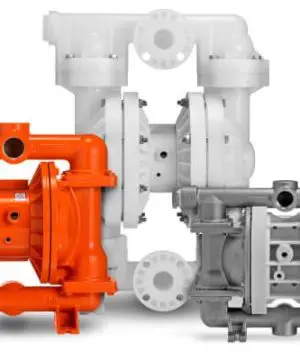
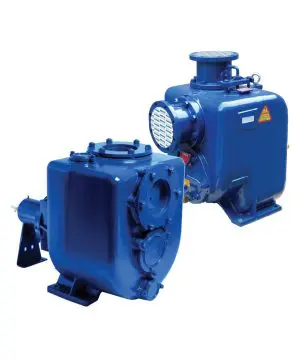
During the mining process, equipment such as centrifugal pumps is essential. These pumps play a crucial role in transporting cyanide solutions and wastewater, as well as circulating water for gold processing and refining operations. The reliability and efficiency of centrifugal pumps are extremely important for maintaining smooth mining operations.
To ensure your gold mining operations run efficiently, consider using high-quality Wilden pumps from Winston Indonesia. Winston Indonesia not only provides premium products but also offers direct on-site installation services. This ensures that centrifugal pumps are properly installed and operate according to the required standards.
Do not hesitate to explore Winston Indonesia’s products and place your order today to support efficiency and sustainability in the gold mining industry. Visit Winston Indonesia for more information and orders.
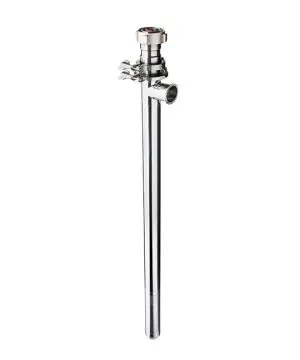
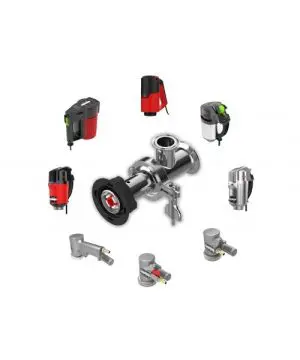
Best Products from Winston Indonesia




Author Bio
Rian

Team PT Winston technically driven member of PT Winston Indonesia with strong practical knowledge of pumps and fluid handling solutions. We work closely with customers to understand their operating requirements, recommend suitable pump solutions, and introduce products that can improve reliability, efficiency, and overall system performance. With a hands-on and solution-oriented approach, We help bridge technical requirements with practical product selection, ensuring customers receive the right pumping solution for their applications.
See all posts by Rian »