Source Image : Istockphoto
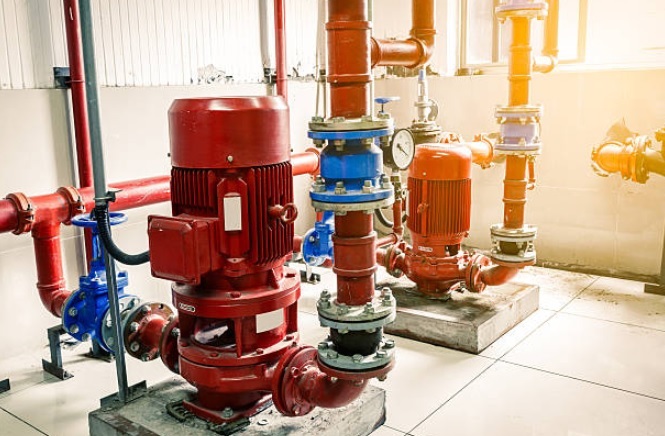
In fire protection systems, the presence of a fire pump is a critical component. Without adequate water pressure, hydrant and sprinkler systems cannot operate effectively during a fire. Therefore, fire pumps are designed to ensure that a high-pressure water supply is always available in emergency situations.
Fire pumps are not only used in high-rise buildings but also in industrial facilities, warehouses, hospitals, and other commercial areas. With the right system in place, a fire pump serves as a primary line of defense in controlling fire risks.
Definition of a Fire Pump
A fire pump is a pump used to increase water pressure in fire suppression systems, such as hydrants and sprinklers. It typically operates when the pressure from the main water source is insufficient to supply the entire distribution network.
Unlike standard water pumps, fire pumps are designed to:
- Deliver consistently high pressure
- Operate automatically during emergencies
- Maintain high reliability in accordance with fire protection standards
Fire pumps are usually connected to water sources such as storage tanks, reservoirs, or municipal water systems.
How a Fire Pump Works
Fire pumps generally operate based on the centrifugal pump principle. These systems do not run continuously but are activated when there is a drop in system pressure.
Working process of a fire pump:
- A pressure drop occurs in the system (e.g., when a hydrant or sprinkler is used)
- The jockey pump can no longer maintain system pressure
- The main pump (primary fire pump) is automatically activated
- Water is pumped into the distribution network at high pressure
In fire protection systems, once a fire pump is activated, it typically continues operating until it is manually shut down, in accordance with safety standards.
Main Components of a Fire Pump System
A fire pump system consists of multiple integrated components working together:
1. Main Pump
The primary pump responsible for supplying the required pressure and water flow during a fire.
2. Jockey Pump
A smaller pump that maintains system pressure during standby conditions when there is no water demand.
3. Controller Panel
A control panel that manages pump operations automatically.
4. Water Source
This can be a storage tank, reservoir, or city water supply.
With this combination, the fire pump system can operate optimally under various conditions.
Types of Pumps in Fire Pump Systems
There are several types of pumps commonly used in fire protection systems, depending on capacity, pressure requirements, and installation conditions.
1. End Suction Pump

End suction pump are among the most commonly used pumps in small to medium-scale fire pump systems.
Characteristics:
- Simple and efficient design
- Easy maintenance
- Suitable for various applications
Ideal for:
- Hydrant systems
- Sprinkler systems
- Commercial and industrial buildings
2. Close Coupled Pump

Close coupled pump feature a compact design, where the motor and pump are directly connected without a separate coupling.
Advantages:
- Compact and space-saving design
- Easier installation
- High efficiency
Suitable for:
- Multi-story buildings
- Medium-scale water distribution systems
- Fire pump applications with limited space
Close coupled pump products from Winston Engineering are designed with high-quality materials and robust construction, ensuring reliable long-term performance.
3. ISO 2858 Process Pump
ISO 2858 process pumps are designed based on international standards and are widely used in industrial applications.
Characteristics:
- Large capacity
- Capable of producing high pressure
- Designed for heavy-duty operations
Note:
This type of pump is not specifically designed as a fire pump, but it can be used in certain systems if it meets the required technical and regulatory standards.
Fire Pump Solutions for Modern Needs
Selecting the right fire pump requires careful consideration of several factors, including flow capacity, required pressure, and the type of application. Compliance with fire protection standards is also a critical aspect that must not be overlooked.
To ensure optimal system performance, proper planning and the selection of reliable products are essential. Technical consultation is an important step in determining the most suitable solution based on site conditions and operational requirements.
As a provider of industrial pump solutions, Winston Indonesia offers a wide range of products designed to meet fire protection system needs, from medium-scale applications to large industrial operations. With high-quality materials and trusted design standards, these products deliver long-term reliability in maintaining system safety.

Author Bio
Rian

Team PT Winston technically driven member of PT Winston Indonesia with strong practical knowledge of pumps and fluid handling solutions. We work closely with customers to understand their operating requirements, recommend suitable pump solutions, and introduce products that can improve reliability, efficiency, and overall system performance. With a hands-on and solution-oriented approach, We help bridge technical requirements with practical product selection, ensuring customers receive the right pumping solution for their applications.
See all posts by Rian »