Source Image: Freepik
Wastewater is one of the biggest environmental challenges in the industrial sector. If not properly managed, liquid waste generated from industrial activities can contaminate soil, groundwater, rivers, and oceans, causing harmful effects on ecosystems and human health. This is where Wastewater Treatment Plants (WWTP) play a crucial role. One vital component in WWTP systems that is often overlooked, yet highly determines the system’s effectiveness, is the industrial pump.
Industrial pumps are responsible for transferring, circulating, filtering, and regulating the pressure of wastewater throughout the treatment process. In this article, we will discuss the role of industrial pumps in wastewater treatment systems and the types of pumps used at each treatment stage.
Why Are Industrial Pumps Important for WWTP Systems?
Pumps are not merely tools for transferring wastewater. In modern WWTP systems, pumps are used in almost every stage of the process, from collection and sedimentation to aeration and final purification. Without reliable and efficient pumps, a WWTP system would not be able to operate optimally.
Below are several reasons why industrial pumps are essential in WWTP systems:
Continuous Wastewater Flow Management
WWTP systems require a stable flow of wastewater between each treatment stage. Pumps ensure smooth circulation without blockages or interruptions.
Pressure and Flow Rate Adjustment
Each treatment stage requires different pressure levels. For example, aeration systems require high air pressure, while sedimentation processes rely on slower and more controlled flow rates.
Handling Wastewater with Special Characteristics
Industrial wastewater can be corrosive, abrasive, or contain high levels of solid particles. Specialized pumps such as slurry pumps and submersible pumps are used to ensure safe and efficient system operation.
Energy and Cost Efficiency
Modern energy-efficient pumps can significantly reduce the electricity consumption of WWTP systems, resulting in long-term operational cost savings.
Types of Pumps Commonly Used in Wastewater Treatment
Below are several types of pumps commonly used in different stages of wastewater treatment:
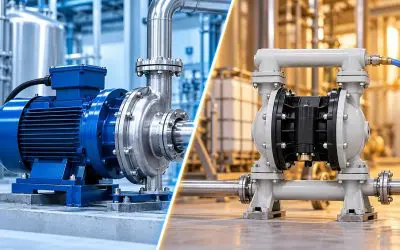
1. Centrifugal Pumps
These pumps are commonly used during the initial treatment stages, such as wastewater collection and primary sedimentation. They are suitable for wastewater containing light particles because they can handle large flow volumes with high efficiency.
2. Submersible Pumps
Submersible pumps are installed directly inside water tanks, sedimentation basins, or underground channels. They are highly efficient for pumping wastewater from deep or hard-to-reach areas.
3. Slurry Pumps
Slurry pumps are specifically designed for wastewater containing high concentrations of solids, such as activated sludge or heavy sediment accumulated at the bottom of tanks.
4. Dosing Pumps
Dosing pumps are used for injecting chemicals during treatment processes, such as pH adjustment, coagulation, or disinfection. These pumps provide high precision, which is crucial for the final purification stage.
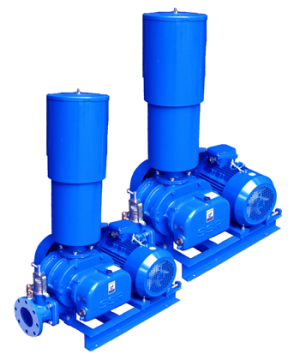
5. Root Blowers and Diffusers (Aeration Support Systems)
Although not technically classified as pumps, industrial blowers play an essential role in supplying air during the aeration stage. This process accelerates the growth of microorganisms that break down organic materials. The combination of blowers and diffusers helps maintain high aeration efficiency.
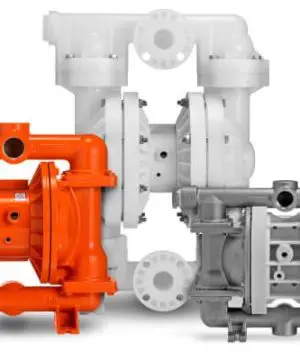
6. Diaphragm Pumps
Diaphragm pumps are used to transfer abrasive, corrosive, or solid-laden wastewater without damaging the pump itself. They are ideal for applications requiring high reliability and minimal maintenance, including the transfer of chemical sludge, viscous liquids, or hazardous waste.
These pumps operate using the reciprocating movement of a flexible diaphragm, making them highly suitable for handling aggressive fluids without leakage risks, as they do not use rotating seals.
The Correlation Between Pumps and WWTP Process Efficiency
For high-quality industrial pump solutions, Winston Indonesia is the right partner. With a comprehensive product range and professional technical support, Winston Indonesia is ready to help you design an optimal and efficient WWTP system.
Some of the leading solutions available include: Taiko Root Blowers for reliable and energy-efficient aeration systems, as well as high-performance Wilden diaphragm pumps that are ideal for handling chemical wastewater and abrasive liquids.
The combination of these premium products enables every WWTP component to work in synergy—ensuring smooth flow circulation, stable aeration performance, and accurate chemical processes—allowing your company to meet environmental standards with confidence.
Contact Winston Indonesia today for customized solutions tailored to your industrial needs.
Related Products



Author Bio
Rian

Team PT Winston technically driven member of PT Winston Indonesia with strong practical knowledge of pumps and fluid handling solutions. We work closely with customers to understand their operating requirements, recommend suitable pump solutions, and introduce products that can improve reliability, efficiency, and overall system performance. With a hands-on and solution-oriented approach, We help bridge technical requirements with practical product selection, ensuring customers receive the right pumping solution for their applications.
See all posts by Rian »