Industrial waste treatment is an important aspect of maintaining environmental sustainability and public health. An efficient waste treatment process involves various stages designed to reduce the negative impact of waste on the ecosystem.
The technologies and methods used in waste treatment processes continue to evolve, enabling industrial companies to minimize harmful emissions and optimize resource utilization.
You can find a more complete explanation of the process below.
Explore Our Products
Industrial Waste Treatment Process
Industrial waste treatment is carried out to reduce negative environmental impacts. This process is not only important for complying with environmental regulations but also contributes to the sustainability of a company’s operations. Below are several stages in the industrial waste treatment process that you should know:
1. Waste Sorting and Collection
Waste must be separated according to its type, such as solid, liquid, and gaseous waste, as well as based on its characteristics, whether hazardous or non-hazardous. Proper sorting is essential to ensure that each type of waste can be treated using the appropriate method.
This process often involves the use of special containers for each type of waste and the implementation of an efficient collection system to prevent unwanted mixing. Proper sorting also facilitates recycling and further treatment processes.
2. Pre-treatment
After the waste has been sorted, the next step is pre-treatment. This process involves a series of actions to reduce the volume and toxicity of waste before entering the main treatment stage. Examples of pre-treatment include dehydrating liquid waste to reduce its volume or neutralizing acidic and alkaline waste to reduce its corrosive properties.
This stage is important to prepare the waste so that it can be processed more safely and efficiently in the next stages. Pre-treatment also includes techniques such as filtration, sedimentation, and coagulation, which help remove large particles and initial contaminants from the waste.
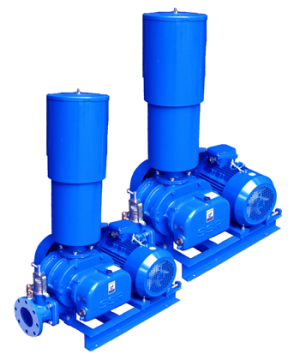
Read Also: The Function of Blowers in WWTP (Wastewater Treatment Plants)
3. Main Treatment
At this stage, waste is treated using various physical, chemical, or biological techniques to remove or reduce hazardous substances. Physical techniques include processes such as filtration and centrifugation, which are used to separate solid particles from liquids.
Chemical techniques, such as oxidation and reduction, are used to alter the chemical composition of contaminants so they become less harmful. Biological techniques involve the use of microorganisms to decompose organic substances in the waste.
A combination of these techniques is often required to ensure that the treated waste complies with established environmental standards.
4. Advanced Treatment
Advanced treatment is an additional stage that may be required if the waste that has undergone primary treatment still contains hazardous substances or does not yet meet environmental standards.
This process may involve techniques such as adsorption using activated carbon to absorb toxic substances, or advanced methods such as reverse osmosis to purify wastewater. This stage ensures that all hazardous residues are completely removed or treated so that they are safe to discharge into the environment or reuse.
5. Final Disposal and Utilization
The final stage in the treatment process is the disposal or utilization of treated waste residues. Waste that cannot be recycled or reused must be disposed of safely in accordance with applicable regulations.
Disposal may be carried out at specially designed landfills to prevent soil and water contamination. On the other hand, waste that still has economic value can be reused, such as organic waste being processed into compost or alternative energy sources. This approach not only reduces the amount of waste that must be disposed of but also maximizes the utilization of available resources.
Benefits of Industrial Waste Treatment
Industrial waste treatment plays a vital role in maintaining environmental balance and public health. In addition to reducing negative impacts on ecosystems, this process also provides several benefits for industries and society as a whole. Below are some of the main benefits of industrial waste treatment:
1. Environmental Protection
Industrial waste treatment helps prevent environmental pollution, including soil, water, and air pollution. Through proper treatment before disposal, hazardous and toxic substances can be removed or reduced so they do not damage ecosystems. This process uses various technologies to ensure that waste released into the environment meets established safety standards.
2. Public Health Protection
Industrial waste that is not properly treated can pose serious health risks to surrounding communities. Water and air pollution caused by hazardous waste can lead to various illnesses, ranging from respiratory disorders to poisoning. Effective treatment ensures that hazardous chemicals and pathogens in the waste are eliminated before the waste is disposed of or reused.
3. Resource Efficiency
Industrial waste treatment enables the reuse and recycling of materials that still have economic value. This process can transform waste into raw materials that can be reused in production, such as metals, plastics, and organic materials. Through recycling, industries can reduce the need for new raw materials, thereby decreasing natural resource extraction and its associated environmental impacts.
4. Compliance with Regulations
Industries are required to comply with strict environmental regulations related to waste disposal. Proper industrial waste treatment helps companies meet these standards and avoid legal sanctions and fines that could be costly. Compliance with regulations also enhances a company’s reputation and demonstrates its commitment to social and environmental responsibility.
Do you now have a better understanding of the industrial waste treatment process explained above? Industrial waste treatment plays a crucial role in protecting the environment, ensuring regulatory compliance, and encouraging technological innovation.
Every stage in the treatment process, from sorting and collection to final disposal and utilization, must be carried out carefully and efficiently to achieve optimal results.
An efficient process requires various equipment and technologies, including reliable pumps for transferring and processing liquid waste. Winston Indonesia provides a wide range of pumps specifically designed to meet industrial waste treatment needs.
Related Products
Taiko
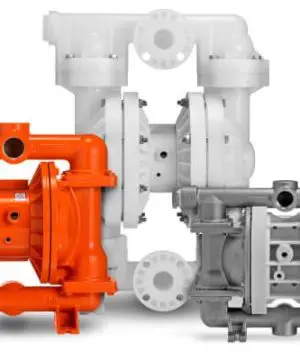
Wilden Pump


Winston Indonesia also provides on-site installation services to ensure that pump installation and operation are carried out properly and in accordance with standards, offering complete and reliable solutions for industrial needs.
Do not hesitate to explore products from Winston Indonesia and place your order today to ensure your company’s treatment processes operate efficiently and comply with applicable regulations. Visit Winston Indonesia for more information and consult your needs with our expert team.

Author Bio
Rian

Team PT Winston technically driven member of PT Winston Indonesia with strong practical knowledge of pumps and fluid handling solutions. We work closely with customers to understand their operating requirements, recommend suitable pump solutions, and introduce products that can improve reliability, efficiency, and overall system performance. With a hands-on and solution-oriented approach, We help bridge technical requirements with practical product selection, ensuring customers receive the right pumping solution for their applications.
See all posts by Rian »