In various industrial processes, fluid transfer systems require pumps that can operate consistently, efficiently, and according to the characteristics of the fluid being handled. One of the most widely used pump types for transferring oil, fuel, chemicals, resins, and high-viscosity fluids is the gear pump.
Compared to several other pump types, gear pumps are known for delivering a consistent flow rate and are highly suitable for applications requiring stable flow and pressure control. For this reason, gear pumps are widely used in industries such as chemical processing, oil and gas, manufacturing, food and beverage, and industrial utilities.
What Is a Gear Pump?
A gear pump is a type of positive displacement pump that operates by using rotating gears to move fluid from the inlet side to the outlet side. As the gears rotate, fluid becomes trapped between the gear teeth and the pump casing, then is pushed toward the discharge side in a relatively constant flow.
This operating principle makes gear pumps highly effective for handling fluids ranging from low to high viscosity.
Advantages of Gear Pumps
Some of the key advantages of gear pumps include:
- Delivering stable and consistent flow
- Suitable for both viscous and non-viscous fluids
- Capable of operating at relatively high pressures
- Simple design and easy maintenance
- Ideal for transferring oil, fuel, and chemicals
- Reliable performance for continuous operation
How Does a Gear Pump Work?
The working principle of a gear pump is relatively simple. When the motor drives the gears, an expanding cavity is created on the inlet side, generating suction that allows fluid to enter the pump. The fluid is then carried between the gear teeth and the casing toward the outlet side, where it is discharged at a stable pressure.
In general, the process includes:
- The gears rotate and create a suction area.
- Fluid enters through the inlet side.
- The fluid becomes trapped between the gear teeth and the pump casing.
- The rotating gears carry the fluid toward the discharge side.
- The fluid exits through the outlet with a consistent flow rate.
Common Types of Gear Pumps Used in Industry
1. Internal Gear Pump
An internal gear pump uses two gears housed within a single casing, consisting of a rotor and an idler gear. This design enables the pump to handle high-viscosity fluids more efficiently while producing smoother flow characteristics.
Due to these capabilities, internal gear pumps are widely used for handling thicker fluids and shear-sensitive materials.
Internal Gear Pump Applications
- Oil and fuel transfer
- Asphalt and bitumen
- Resin and adhesives
- Paint and coatings
- Lubricants
- Liquid food products
- Heat transfer fluids
- Various industrial chemicals
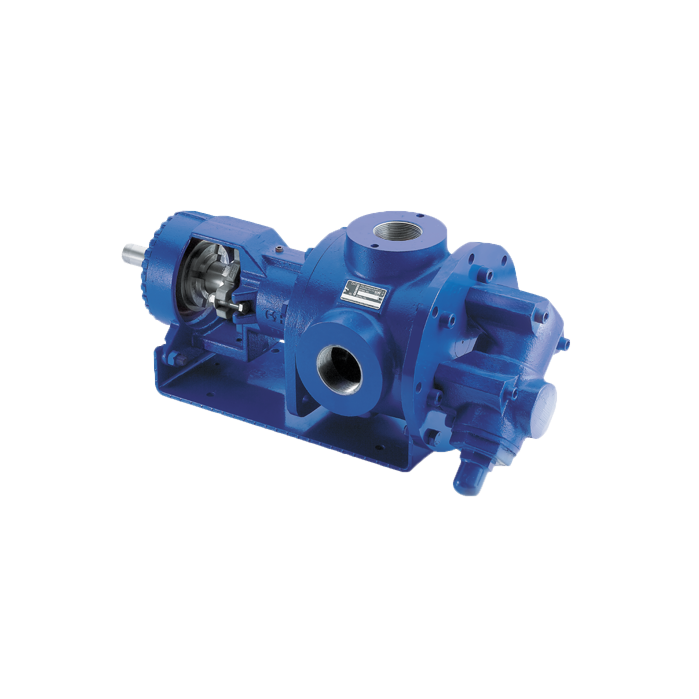
For industrial applications requiring high performance and long-term reliability, the G Series Rotary Gear Pumps from Gorman-Rupp are among the widely used solutions. These pumps are designed for fluid transfer applications that require stable flow, high efficiency, and the capability to handle a wide range of industrial fluids.
2. External Gear Pump
An external gear pump uses two externally meshing gears to transfer fluid. This type of pump is known for its simple construction, compact size, and ability to generate high pressure.
External gear pumps are commonly used in applications that require precise fluid transfer and stable operating pressure.
External Gear Pump Applications
- Chemical processing
- Fuel transfer
- Lubrication systems
- Hydraulic systems
- Oil and gas processes
- Solvent transfer
- Specialty chemical handling
For industrial applications requiring resistance to corrosive fluids, high-pressure capability, and precise fluid transfer, the H-Series High Pressure Gear Pumps from Liquiflo are specifically designed for demanding operating conditions. These pumps are widely used in the chemical industry, oil and gas sector, and various process applications requiring a high level of reliability.
Choosing the Right Gear Pump
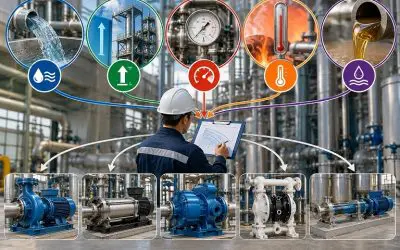
Selecting the right gear pump should involve consideration of several important factors, including:
- Type of fluid being transferred
- Fluid viscosity
- Required flow capacity
- System operating pressure
- Operating temperature
- Pump construction materials
- Fluid corrosiveness
- Ease of maintenance and spare parts availability
By considering these factors, companies can select the most suitable gear pump to improve system efficiency and extend operational lifespan.
Conclusion
Gear pumps are a reliable solution for a wide range of industrial fluid transfer applications, including fuel, oil, chemicals, and high-viscosity liquids. Both Internal Gear Pumps and External Gear Pumps offer unique advantages and applications depending on process requirements.
To get the most suitable gear pump recommendation for your industrial application, contact the team at Winston Indonesia and consult your fluid transfer system requirements with our specialists.

Author Bio
Rian

Team PT Winston technically driven member of PT Winston Indonesia with strong practical knowledge of pumps and fluid handling solutions. We work closely with customers to understand their operating requirements, recommend suitable pump solutions, and introduce products that can improve reliability, efficiency, and overall system performance. With a hands-on and solution-oriented approach, We help bridge technical requirements with practical product selection, ensuring customers receive the right pumping solution for their applications.
See all posts by Rian »