Modern industries are under growing pressure to operate more efficiently, reduce costs, and meet stricter environmental standards. Pumps and compressors sit right at the heart of many operations, from water treatment and manufacturing to oil and gas. As expectations evolve, so does the way these systems are designed, built, and maintained.
A clear shift is happening across the industry. Businesses are no longer just looking for equipment that “gets the job done”. They want systems that are smarter, more reliable, and better suited to long-term performance.
Smarter Design for Better Efficiency
Efficiency has become one of the biggest priorities in pump and compressor design. Rising energy costs and sustainability targets are pushing companies to rethink how systems operate day to day.
This is where the concept of an energy saving pump comes into play. Modern pumps are now designed with improved hydraulics, optimised impeller shapes, and reduced internal losses. These changes may sound technical, but the outcome is simple: less wasted energy and lower operating costs over time.
Designers are also paying closer attention to how pumps perform across different operating conditions. Instead of focusing on peak output alone, systems are engineered to remain efficient even when demand fluctuates. This is especially useful in industries where workloads are not constant.
Another important factor is understanding a pump’s best efficiency point. When systems are selected and operated closer to this range, they tend to last longer and perform more reliably, reducing unnecessary wear and tear.
Integration of Smart Technology
Digitalisation is transforming how pumps and compressors are used and maintained. What used to rely heavily on manual checks is now supported by real-time data and automated monitoring.
Sensors are increasingly built into modern systems to track performance indicators such as pressure, temperature, vibration, and flow rate. These insights help operators detect issues early, often before they develop into costly breakdowns.
With the help of smart controls and connected systems, operators can also adjust performance remotely. This means pumps and compressors can respond dynamically to changing demands, improving both efficiency and reliability without constant manual intervention.
Predictive maintenance is another major development. Instead of waiting for equipment to fail, systems can now signal when servicing is required based on actual usage and condition. This reduces downtime and avoids unnecessary maintenance work.
Focus on Sustainability and Environmental Impact
Environmental considerations are shaping design decisions more than ever before. Regulations are becoming stricter, and companies are expected to reduce their carbon footprint while maintaining performance.
Manufacturers are responding by developing equipment that consumes less energy, produces fewer emissions, and operates more quietly. Materials are also being reviewed, with a growing focus on durability and recyclability.
In water-related industries, there is increasing demand for pumps that minimise leakage and reduce water loss. For compressors, reducing energy consumption during compression processes is a key priority.
Sustainability is no longer a secondary consideration. It is now a central part of how systems are designed and selected.
Compact and Modular Systems
Space is often limited, especially in urban or retrofit environments. As a result, there is a growing demand for compact and modular pump and compressor systems.
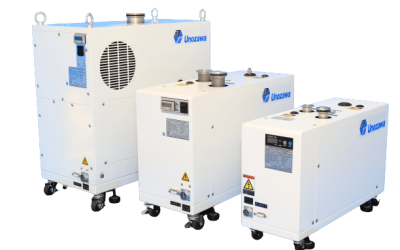
Modern designs aim to deliver the same level of performance in a smaller footprint. This makes installation easier and allows systems to fit into tighter spaces without major structural changes.
Modular systems are also becoming more popular. These allow components to be added, removed, or upgraded without replacing the entire setup. For businesses, this means greater flexibility and the ability to scale operations as needed.
This approach is particularly useful for facilities that expect future expansion or changes in demand.
Improved Reliability and Durability
Downtime can be costly, especially in industries where operations run continuously. That is why reliability remains a key focus in modern design.
New materials and manufacturing techniques are helping to extend the lifespan of pumps and compressors. Components are better able to withstand harsh operating conditions such as high temperatures, corrosive environments, and heavy workloads.
Sealing technology has also improved, reducing the risk of leaks and contamination. Bearings and internal components are designed to handle higher loads while maintaining smooth operation.
These improvements may not always be visible, but they make a significant difference in day-to-day performance and long-term maintenance costs.
Customisation for Specific Applications
No two industries operate in exactly the same way. A pump that works well in a water treatment plant may not be suitable for a chemical processing facility.
As a result, there is a growing emphasis on customised solutions. Manufacturers are working more closely with clients to understand their specific needs and operating conditions.
This could involve selecting the right materials, adjusting system configurations, or designing equipment to handle particular fluids or pressures. The goal is to ensure that each system is tailored to its intended application, rather than relying on a one-size-fits-all approach.
Customisation also helps improve efficiency and reliability, as systems are better aligned with real-world usage.
Energy Recovery and Advanced Technologies
Another emerging trend is the use of energy recovery systems. In certain applications, excess energy generated during operation can be captured and reused elsewhere in the process.
For example, pressure energy in pipelines can be converted into usable power, reducing overall energy consumption. While this technology is still developing, it shows strong potential for industries looking to improve efficiency.
Advanced technologies such as magnetic bearings and oil-free compressors are also gaining attention. These systems reduce friction and eliminate the need for lubrication, resulting in cleaner and more efficient operation.
As these technologies become more accessible, they are likely to play a bigger role in future designs.
User-Friendly Operation and Maintenance
Ease of use is becoming increasingly important, especially as systems grow more complex. Operators need equipment that is not only efficient but also simple to manage.
Modern interfaces are designed to be more intuitive, with clear displays and straightforward controls. This reduces the learning curve for new users and helps minimise operational errors.
Maintenance has also become more user-friendly. Components are easier to access, and systems are designed to simplify routine servicing tasks. This saves time and reduces the need for specialised tools or extensive downtime.
Training and support are also improving, with many manufacturers offering digital resources and remote assistance.
Looking Ahead
Industrial pump and compressor design is moving towards smarter, more efficient, and more adaptable systems. The focus is no longer just on performance, but on how that performance is achieved and sustained over time.
Businesses that invest in modern systems are likely to see benefits in energy savings, reduced maintenance costs, and improved operational reliability. At the same time, these advancements support broader sustainability goals, helping companies meet both regulatory requirements and internal targets.
Conclusion
Keeping up with these trends can make a real difference in how efficiently your operations run. Whether you are upgrading existing systems or planning a new installation, having the right expertise matters.
If you are looking for reliable solutions tailored to your needs, consider working with Winston Engineering. Our experience in pump systems, maintenance, and optimisation can help you achieve better performance and long-term value for your operations.