Keeping a facility running smoothly often comes down to equipment that nobody thinks about until it stops working. Air compressors fall squarely into that category. They quietly power everything from pneumatic tools to production lines, HVAC controls, and packaging systems, yet they rarely get the attention they deserve until a breakdown forces the issue.
For facility managers across Singapore, understanding how to select, maintain, and troubleshoot an air compressor can save a huge amount of stress, downtime, and money. This guide breaks down the essentials in plain language, so you can make confident decisions when choosing a new unit or looking after an existing one.
Why Air Compressors Deserve Your Attention
Compressed air is sometimes called the fourth utility, alongside electricity, water, and gas. That says a lot about how central it is to daily operations in warehouses, factories, and commercial buildings. When an air compressor in Singapore fails, the ripple effects can hit production schedules, safety systems, and even climate control depending on how integrated the compressed air network is with the rest of the facility.
Given our tropical climate, humidity and heat place additional strain on compressor systems here compared to cooler regions. This means local facility managers need to think a little differently about maintenance schedules, cooling requirements, and equipment placement than their counterparts in temperate countries.
Choosing the Right Type for Your Facility
There are two broad categories worth knowing:
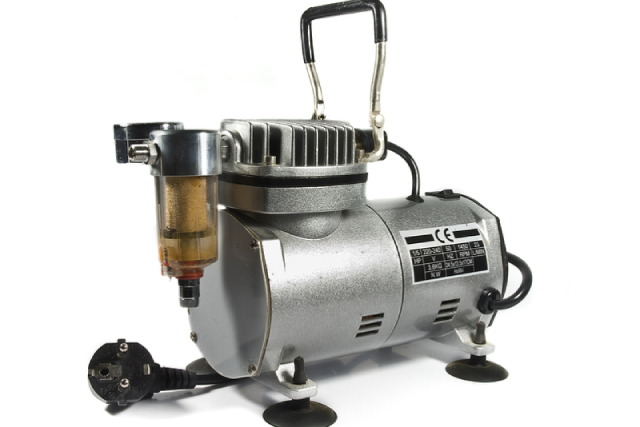
- Reciprocating compressors use pistons to compress air and tend to suit smaller operations or intermittent use, such as workshops or light manufacturing.
- Rotary screw compressors work continuously and handle heavier, sustained demand better, making them a common choice for larger facilities or production environments.
Beyond the type, capacity is just as important to get right. An undersized compressor will run constantly and wear out faster, while an oversized one wastes energy and money. A good rule of thumb is to calculate your facility’s actual air demand, including any planned expansion, before settling on a specific model. Getting a professional assessment done early on can prevent a costly mismatch down the line, and it usually saves money over the lifespan of the equipment instead of adding to upfront costs.
The Maintenance Routine That Actually Works
Most compressor problems trace back to skipped or delayed maintenance rather than faulty equipment. A consistent routine goes a long way toward avoiding unplanned downtime.
Here is what a sensible maintenance schedule typically includes:
- Daily checks on oil levels, unusual noises, and visible leaks
- Weekly inspection of air filters and condensate drains
- Monthly review of belts, hoses, and connections for wear
- Quarterly professional servicing, including oil changes and filter replacements
- Annual deep inspection covering motor condition, valve function, and overall efficiency
Facilities that stick to this kind of rhythm tend to see fewer emergency repairs and get considerably more life out of their equipment. Some teams are also turning to digital monitoring to keep tabs on performance between scheduled checks, giving them another layer of visibility into how the system is behaving day to day.
Spotting Trouble Before It Becomes a Breakdown
Even with regular maintenance, compressors give off warning signs before something goes seriously wrong. Learning to recognise these early can save a facility from an unexpected shutdown.
Watch out for:
- Rising energy bills without a corresponding increase in usage, which often points to inefficiency
- Excessive heat coming from the unit, which may signal a cooling or ventilation issue
- Unusual vibration or noise, which can indicate loose components or bearing wear
- Moisture in the compressed air line, which suggests the dryer or drainage system needs attention
None of these signs mean disaster is imminent, but ignoring them tends to turn a small fix into a large one. Training your maintenance team to log and report these observations consistently makes a real difference over time, and it also builds a useful record you can refer back to when planning future servicing or budgeting for replacement parts.
It helps to keep this process simple. A shared logbook or a basic digital form that operators fill in during their rounds is often enough. The goal is not to create extra paperwork but to build a habit of noticing small changes before they grow into something that stops production altogether.
Energy Efficiency Deserves a Closer Look
Compressed air systems can be surprisingly energy hungry, and older or poorly maintained units often waste a significant portion of the energy they consume through leaks and inefficiencies. For facility managers watching operating costs, this is an area with genuine room for improvement.
Simple steps like fixing leaks promptly, insulating pipework, and right sizing the system for actual demand can lead to noticeable savings over a year. Some facilities also explore variable speed drive compressors, which adjust output based on real time demand instead of running at a fixed speed regardless of need. This can be particularly useful in facilities where air demand fluctuates throughout the day.
Working With the Right Partner
Even the most attentive facility manager benefits from having a reliable engineering partner on call. Compressor systems involve enough mechanical and electrical complexity that professional input for installation, servicing, and troubleshooting tends to pay for itself in reduced downtime and extended equipment lifespan.
When choosing a service provider, look for one with genuine experience across different compressor brands and configurations, transparent pricing, and a track record of responsive support. A partner who understands the specific demands of Singapore’s climate and industrial landscape will generally serve your facility better than a generalist working from a standard template.
It also helps to ask potential partners how quickly they can respond during a breakdown, since compressed air failures rarely happen at a convenient time. A provider who offers clear service level agreements and stocks common spare parts locally can shave hours or even days off a repair, which counts for far more than a slightly lower quote when your production line is sitting idle.
Managing an air compressor system does not need to feel overwhelming. With the right type of unit, a consistent maintenance routine, and an eye for early warning signs, facility managers can keep their operations running reliably without constant firefighting. Pairing that approach with sound energy practices and dependable professional support rounds out a strategy that protects both uptime and budget.
If your facility could use a hand with compressor selection, maintenance, or troubleshooting, get in touch with the team at Winston Engineering for expert support tailored to your operations.

Author Bio
Team Winston Engineering

Team Winston Engineering is made up of pump specialists, engineers, and industry experts with over 40 years of hands-on experience in fluid management solutions. Founded in Singapore in 1977, Winston Engineering has grown into Southeast Asia's leading pump specialist, serving industries ranging from oil and gas to water treatment, HVAC, and power generation. With regional offices across Singapore, Malaysia, Indonesia, and China, the team brings deep technical expertise and a customer-first approach to every project, backed by the region's only state-of-the-art pump test bay.
See all posts by Team Winston Engineering »