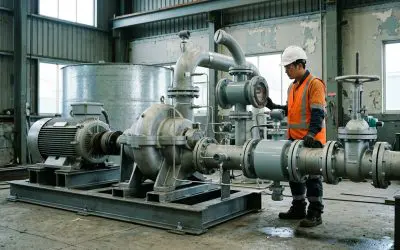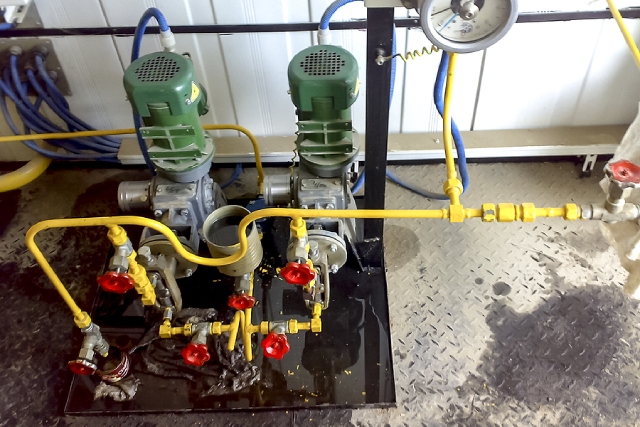
Dosing pumps are the quiet workhorses behind countless industrial and commercial processes, from water treatment plants to chemical processing facilities. They rarely get much attention when they are running smoothly, which is exactly why so many operators are caught off guard when something goes wrong.
A dosing pump that is neglected for too long does not simply stop working one day without warning. It usually gives off subtle clues well before a full breakdown occurs, and knowing what to look for can save businesses from costly downtime, wasted chemicals, and even safety hazards.
Below are five signs that your dosing pump may be due for some maintenance attention.
1. Inconsistent or Fluctuating Output
One of the earliest signs of trouble is when a dosing pump starts delivering inconsistent amounts of fluid. This might show up as fluctuating flow rates, uneven dosing cycles, or output that seems to drift from the calibrated setting over time. In processes where precise chemical dosing is critical, such as water treatment or pH balancing, even small inconsistencies can lead to noticeable downstream problems.
This kind of irregularity is often caused by worn diaphragms, degraded valves, or air trapped in the system. Left unchecked, the pump may continue to underperform until it eventually fails altogether. Regular calibration checks and a keen eye on output consistency can help catch this issue before it escalates.
2. Unusual Noises During Operation
Every dosing pump has a normal operating sound, and most technicians who work closely with the equipment become familiar with it fairly quickly. When that sound changes, whether it becomes louder, rougher, or develops a knocking or grinding quality, it is usually a sign that something inside the pump needs attention.
Unusual noises can point to several underlying issues, including worn bearings, loose components, cavitation, or problems with the check valves. Cavitation in particular is a common culprit and tends to happen when air bubbles form and collapse within the pump chamber, creating that telltale rattling sound. Addressing the noise early, rather than waiting for it to worsen, often prevents more serious mechanical damage down the line.
3. Visible Leaks or Chemical Residue
Leaks are one of the more obvious signs that a dosing pump needs servicing, yet they are sometimes overlooked until they become significant. A small drip near the pump head, discolouration around fittings, or a build-up of chemical residue on the housing are all indicators that seals, tubing, or connections may be compromised.
Beyond the mess, leaks can pose real safety risks depending on the chemicals being dosed. Corrosive or hazardous substances that escape containment can damage surrounding equipment, harm personnel, or contaminate the process itself. Routine visual inspections of seals, tubing, and connection points should be part of any maintenance schedule, and any sign of leakage warrants prompt investigation.
4. Reduced Efficiency or Increased Chemical Consumption
If a facility notices that it is using more chemicals than usual to achieve the same results, the dosing pump could be losing efficiency. This often happens gradually, which makes it easy to miss until the increased consumption starts affecting operational costs. A pump working harder than necessary to deliver the same output is typically a sign of internal wear, clogged components, or calibration drift.
Keeping track of chemical usage against expected consumption rates is a practical way to spot this issue early. Facilities that partner with a reliable water pump supplier often find it easier to access replacement parts and expert guidance when efficiency issues arise, which helps keep downtime to a minimum.
5. Frequent Error Alerts or Alarm Triggers
Many modern dosing pumps come equipped with built-in monitoring systems that alert operators to faults such as low flow, blocked lines, or pressure irregularities. While the occasional alert is normal, frequent or recurring alarms are a clear signal that something is not functioning as it should.
Ignoring these alerts, or simply resetting the system each time without investigating the root cause, can allow small problems to develop into bigger ones. Here is a quick reference for common alarm types and what they might indicate:
| Alarm Type | Possible Cause |
| Low flow alert | Blocked suction line or worn diaphragm |
| Overpressure warning | Clogged discharge line or faulty valve |
| Motor fault | Overheating or electrical fault |
| Leak detection | Damaged seals or loose fittings |
Treating alarms as useful diagnostic information rather than a nuisance can make a real difference in how quickly issues are resolved.
Why Regular Maintenance Should Not Be an Afterthought
Dosing pumps operate in demanding environments, often running continuously for long stretches while handling fluids that can be abrasive, corrosive, or otherwise challenging. Given this workload, some level of wear is inevitable. What separates a well-maintained system from one heading toward failure is how quickly warning signs are noticed and addressed.
A structured maintenance routine, including regular calibration, seal inspections, and component checks, goes a long way toward extending the lifespan of a dosing pump and avoiding unplanned downtime. For facilities managing several pumps across different processes, keeping a maintenance log can help track patterns and plan servicing before problems arise.
It also helps to train staff to recognise the signs outlined above, since operators who interact with the equipment daily are often the first to notice something feels off. Encouraging a culture where minor irregularities get reported and investigated, rather than dismissed, tends to result in fewer emergency repairs and more predictable operations overall.
Getting the Right Support
Recognising these five signs is a useful starting point, but knowing when to call in professional support is just as important. Some maintenance tasks, such as basic cleaning or visual inspections, can be handled in-house. Others, particularly those involving internal components or calibration adjustments, are best left to experienced technicians who understand the specific pump model and its requirements.
If your facility has noticed any of the warning signs above, or if it has simply been a while since your dosing pump last had a proper inspection, now is a good time to arrange a service check. Winston Engineering offers maintenance and support for dosing pumps and related equipment, helping businesses keep their systems running smoothly and efficiently.

Author Bio
Team Winston Engineering

Team Winston Engineering is made up of pump specialists, engineers, and industry experts with over 40 years of hands-on experience in fluid management solutions. Founded in Singapore in 1977, Winston Engineering has grown into Southeast Asia's leading pump specialist, serving industries ranging from oil and gas to water treatment, HVAC, and power generation. With regional offices across Singapore, Malaysia, Indonesia, and China, the team brings deep technical expertise and a customer-first approach to every project, backed by the region's only state-of-the-art pump test bay.
See all posts by Team Winston Engineering »