DVP, Pompetravaini, Unozawa, Hibon or Schwarzer: How to Choose the Right Vacuum Pump in Singapore
Choosing a vacuum solution is rarely about picking the most familiar brand.
The better question is this: what does your process actually need?
Some applications need clean, oil-free vacuum for packaging, medical, laboratory, or OEM equipment. Others need stronger continuous-duty performance and deeper vacuum levels for industrial production. Some processes involve moisture, condensable vapours, or aggressive gas streams. Others are compact systems where footprint, noise, and integration flexibility matter just as much as vacuum performance.
That is why engineers and procurement teams in Singapore should not shortlist a pump by brand name alone. The right approach is to match the application first, then the technology, then the brand and model.
Start with the application, not the catalogue
Before comparing products, define these five things clearly:
- Required vacuum level
- Dry gas or vapour-laden process
- Whether oil-free operation is necessary
- Duty cycle and operating hours
- Serviceability, spare parts, and downtime risk
Once those are clear, the shortlist becomes much easier.
When an oil-free vane pump is the right choice
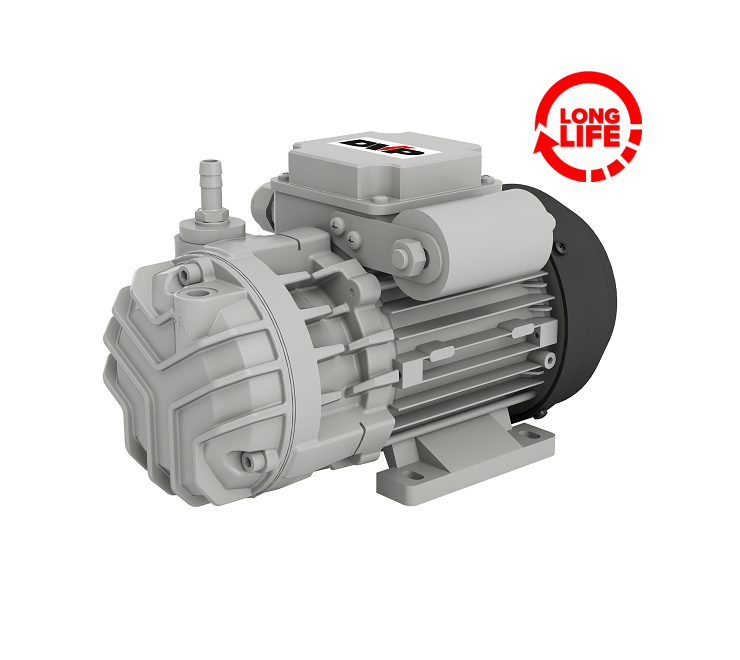
If your process demands clean discharge and low contamination risk, an oil-free vane design is often the best place to start.
This is especially true for packaging, food-related processes, medical equipment, dental systems, printing, vacuum lifting, and compact OEM machinery. In these environments, clean operation is often more important than chasing the deepest possible vacuum level.
That is where DVP oil-free vane technology fits well. An oil-free vane pump gives users a practical balance of cleanliness, compactness, and dependable day-to-day operation without introducing oil into the pumping chamber.
If your team is evaluating a clean-process solution, start with an oil-free vane pump and work outward from there.
When a rotary pump is the better fit
For applications that need stronger vacuum performance, broader industrial-duty capability, or more demanding continuous operation, a lubricated rotary pump may be the better answer.
Oil-lubricated rotary vane technology remains a proven industrial choice because it delivers robust vacuum performance in a compact footprint. It is often preferred for production environments where deeper vacuum, stable operation, and predictable maintenance matter more than absolute oil-free operation.
This is where DVP’s lubricated rotary range becomes relevant. For laboratories, industrial packaging, drying processes, general manufacturing, and central vacuum duties, a rotary solution can be the more appropriate platform.
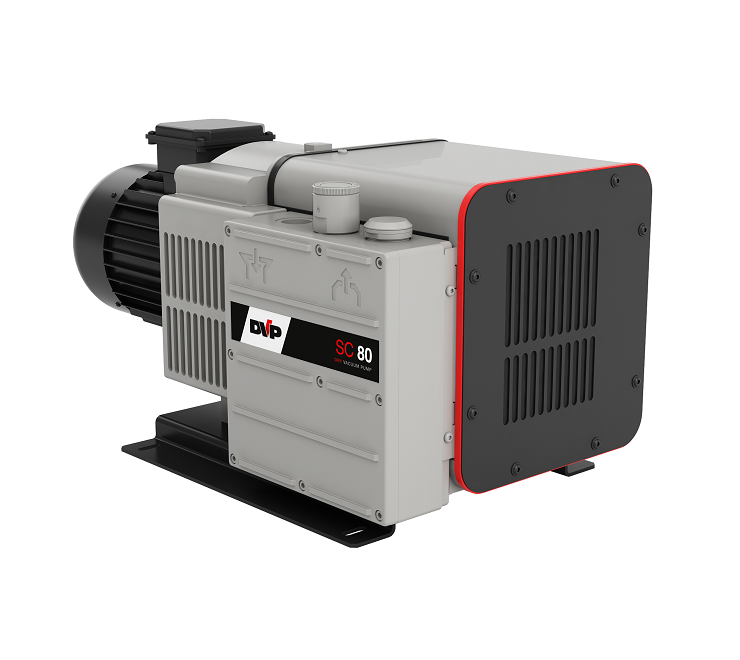
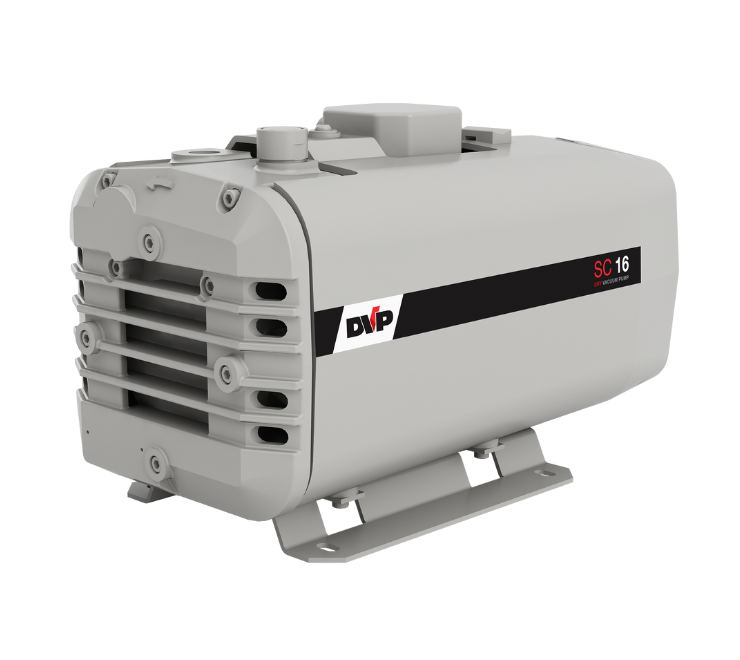
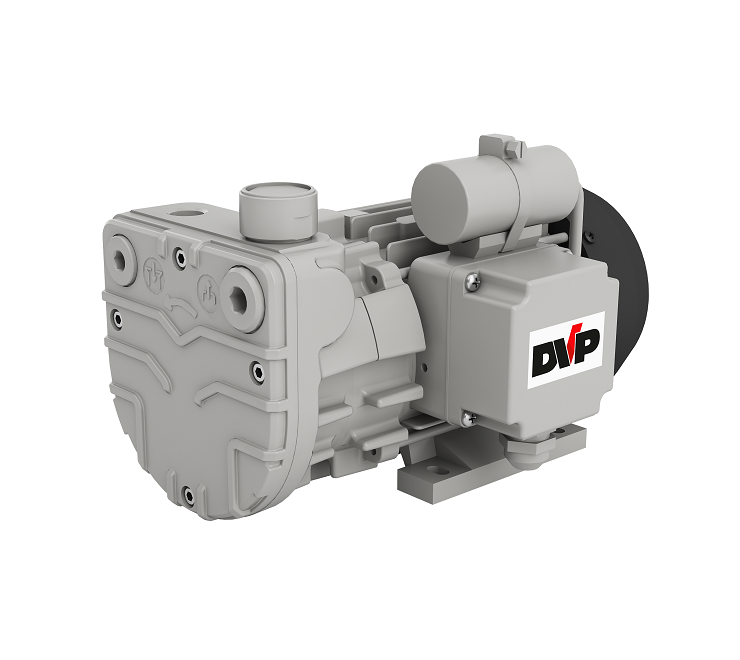
If your operating conditions are heavier-duty or your vacuum requirement is more demanding, move from oil-free vane into the rotary pump category before deciding on the exact model.
When Pompetravaini and liquid ring technology should be shortlisted
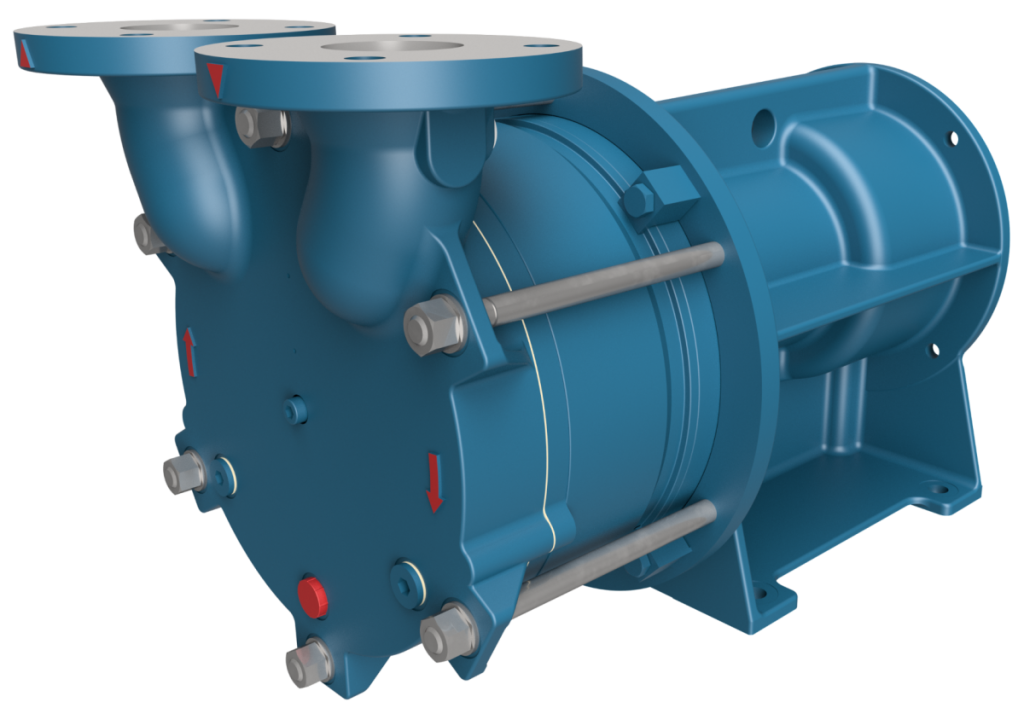
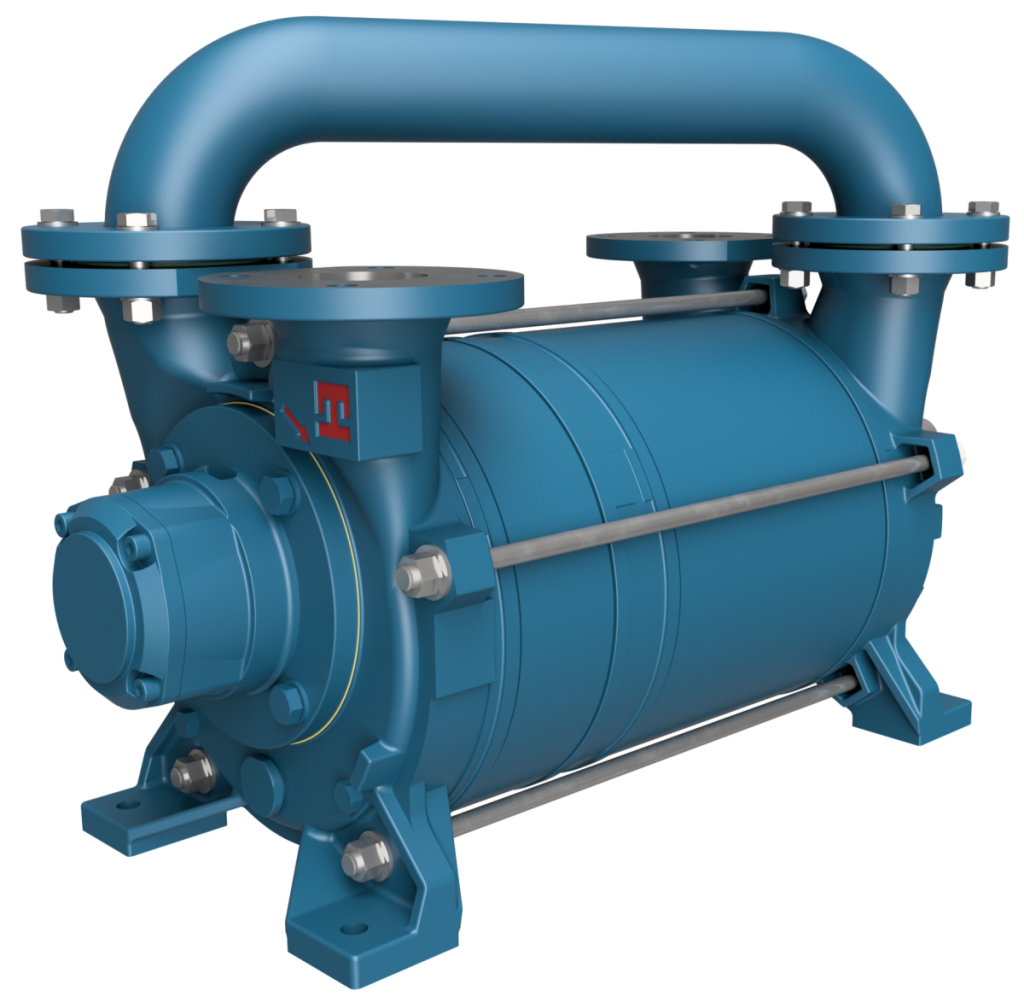
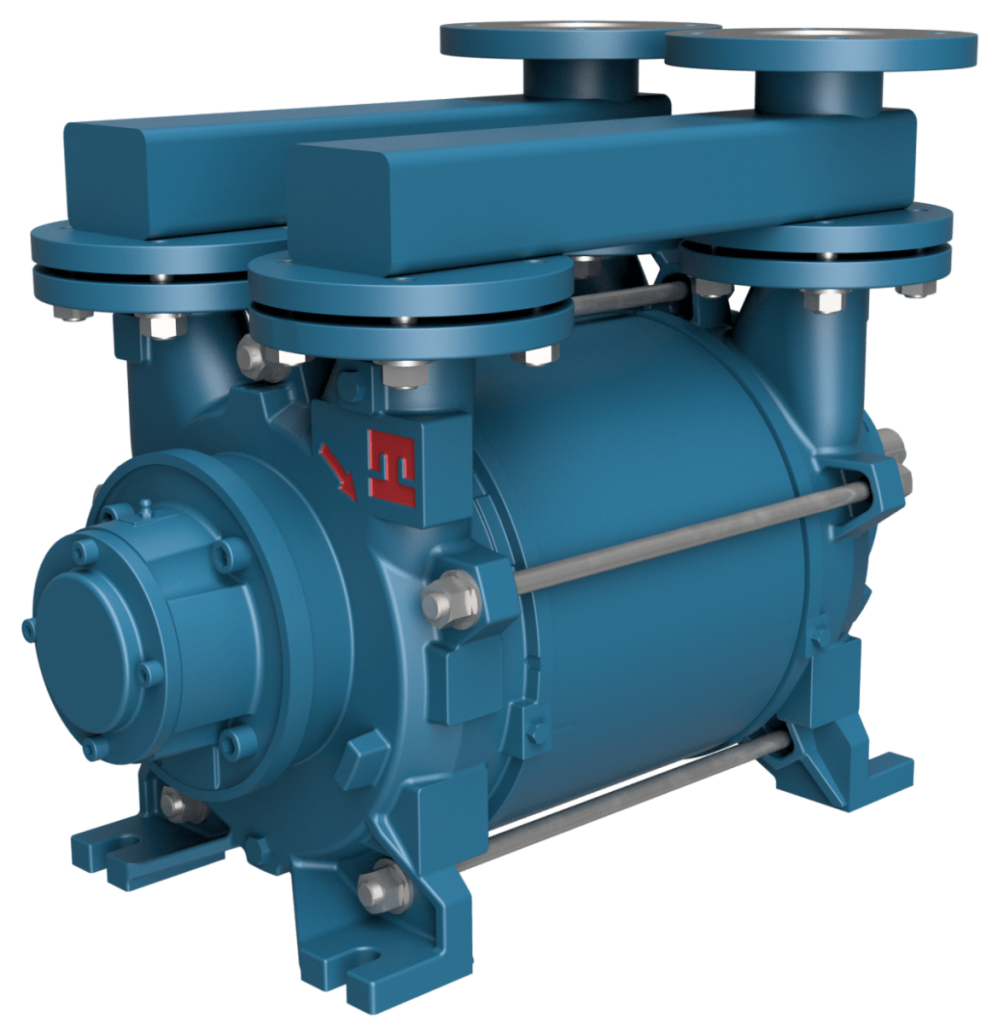
Not every process is dry. In fact, many vacuum problems start when a system is selected as if it were dry, but the real operating conditions include vapour, moisture, condensate, or liquid carryover.
When that happens, liquid ring technology deserves serious attention.
Pompetravaini-style liquid ring solutions are often a much stronger fit for wet or vapour-laden conditions than standard dry technologies. They make sense for chemical processing, pharmaceutical services, wastewater, solvent-related applications, and industrial processes where the gas stream is not clean and dry.
So if your vacuum issue is really a process-handling issue, do not force-fit a rotary vane pump. Review the broader vacuum pump range in Singapore first and select the operating principle that suits the media.
When Unozawa or Hibon make more sense than a standard vane pump
A common mistake in vacuum buying is assuming every system should be solved by a vane pump.
That is not true.
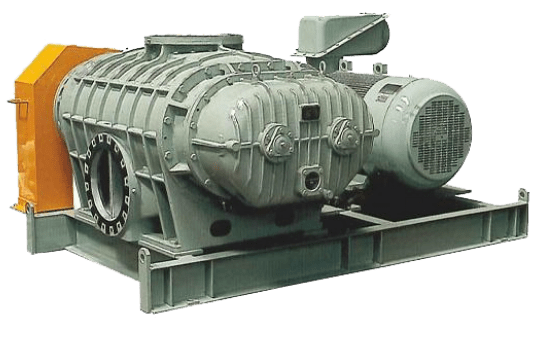
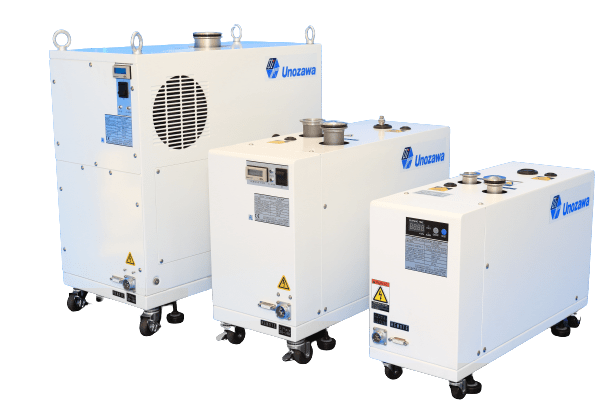
Some duties are better served by roots, blower, booster, or dry-vacuum architectures where airflow profile, dry operation, and system layout matter more than the typical “pump type” label. That is where Unozawa and Hibon come into the discussion.
These technologies are often relevant for dry vacuum systems, rotary blowers, booster applications, conveying-related duties, and specialised industrial air or gas handling where the operating profile is very different from a conventional lubricated vane pump.
If your team is comparing existing legacy equipment or cross-referencing alternative technologies, it helps to start from an Edwards vacuum alternative view rather than forcing every application into the same product family.
When Schwarzer is the right conversation for OEM equipment
Not every buyer is selecting a plant-wide vacuum solution.
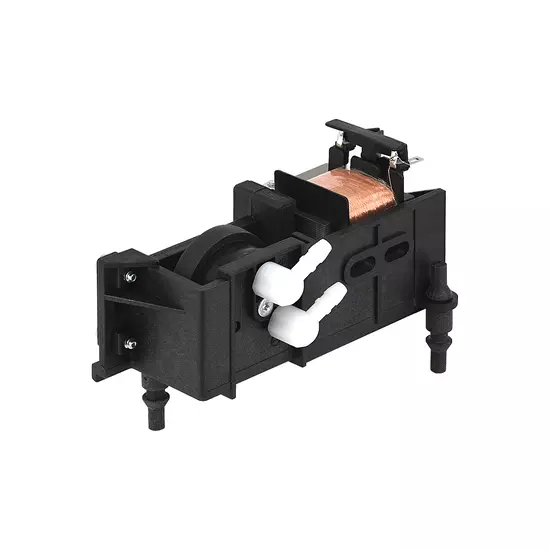
Some are designing compact devices for medical, analytical, laboratory, or precision OEM use. In these cases, the main priorities may be low noise, miniature footprint, controllable flow, system integration, and reliability inside a tightly engineered package.
That is where Schwarzer-type precision pumps belong in the conversation.
For engineers building compact analysers, medical instruments, sampling systems, or other specialised OEM equipment, the right answer may not be a larger industrial vacuum pump at all. It may be a purpose-built micro pump platform designed for precision, repeatability, and integration.
Replacing an Edwards pump? Match the duty, not just the nameplate
When a legacy Edwards unit reaches the point where users start looking for alternatives, the instinct is often to search for a simple one-to-one replacement.
A smarter approach is to compare the real operating duty:
- Required vacuum level
- Pumping speed
- Vapour load
- Operating temperature
- Installation footprint
- Maintenance expectations
- Local service support
In some cases, the correct alternative will still be a rotary vane platform. In others, the better answer may be a liquid ring or dry system depending on the application.
That is why a technology-led comparison usually performs better than a simple model-to-model list. If you are already in replacement mode, start with an Edwards vacuum alternative approach and validate the operating conditions before placing an order.
Repair or replace? Ask this before buying new equipment
Not every performance problem means the pump should be replaced.
In many facilities, a professional vacuum pump repair in Singapore is the more economical and less disruptive option, especially when the pump body and core assembly are still serviceable.
A repair-first assessment usually makes sense when you are seeing:
- Slower pump-down times
- Rising operating temperature
- New noise or vibration
- Oil leakage or contamination
- Reduced vacuum performance
- Downtime risk that is still lower than full replacement cost
For operations teams, repair is not just a maintenance decision. It is a total-cost decision. A properly scoped repair can restore performance, extend equipment life, and buy time for a better-planned replacement strategy instead of forcing a rushed capital purchase.
Once your service page is live, link this section to vacuum pump repair in Singapore.
Final takeaway
The right vacuum solution is rarely decided by brand alone.
The best choice comes from matching the application to the right operating principle, then narrowing down the brand and model based on vacuum level, gas condition, cleanliness requirements, duty cycle, and local support.
If your priority is clean, dry operation, start with an oil-free vane pump. If you need stronger vacuum performance for industrial duty, review the rotary pump options. If your process includes moisture or vapour, compare the broader vacuum pump range in Singapore before choosing the final technology. And if you are replacing a legacy unit, begin with an Edwards vacuum alternative comparison instead of assuming a direct swap.
The more accurate the selection at the start, the better the uptime, maintenance cost, and long-term performance.
FAQ
What is the difference between a vane pump and a rotary pump?
A vane pump is a type of rotary pump. In industrial buying, “vane pump” often points to an oil-free vane application, while “rotary pump” is frequently used more broadly or for lubricated rotary vane systems.
Which vacuum pump is best for food, medical, or clean-process applications?
In many cases, oil-free vane technology is a strong starting point because it minimises contamination risk and supports clean discharge requirements.
When should I choose liquid ring instead of rotary vane?
Liquid ring should be shortlisted when the process involves moisture, condensable vapours, or liquid carryover.
Can I replace an Edwards vacuum pump with another brand?
Yes, but the replacement should be matched by actual duty conditions, not just by model name.
Should I repair or replace my vacuum pump?
If the core pump remains mechanically sound, repair can often be more cost-effective than immediate replacement, especially when downtime is manageable.

Author Bio
Andrew

Andrew is a seasoned marketing professional with over 14 years of experience at Winston Engineering, where he has grown from Marketing Executive to Marketing Manager. With a deep understanding of the industrial and engineering sector, he specialises in brand development, digital transformation, and content strategy. Andrew's expertise spans social media marketing, web content, advertising, and corporate events, making him a key voice in communicating Winston Engineering's solutions to audiences across the region.
See all posts by Andrew »