Swimming pools are a source of relaxation, exercise and social enjoyment. Yet, hidden beneath the crystal-clear surface lies a complex system of equipment working tirelessly to keep that water safe and inviting. Among these components, pool pump design plays a pivotal role in determining water quality and clarity. A well-designed system not only improves the swimming experience but also safeguards the health and longevity of your pool environment.
Understanding how pump design influences water quality requires a closer look at the mechanics of circulation, filtering and chemical distribution. From flow rates to energy efficiency, each element of a pump’s design can amplify or undermine its effectiveness in maintaining pristine pool water.
Why Water Circulation Matters
Every pool needs constant movement to stay clean and balanced, which is why ensuring pumps are ready to go is essential. If water remains stagnant, bacteria and algae can rapidly multiply, leading to cloudy or unsafe conditions. A properly designed pump ensures continuous circulation, drawing water through the filtration system and redistributing it back into the pool. This flow prevents “dead spots” where contaminants can accumulate.
Water circulation also facilitates the even distribution of sanitising chemicals like chlorine or bromine. Without effective mixing, chemicals may linger in one area and leave others under-treated, compromising hygiene and clarity.
How Pump Components Influence Performance
The internal design of a pool pump affects more than just how water is moved. It also dictates how efficiently impurities are captured and removed.
Impeller and Motor Efficiency
The impeller, also known as the rotating component that generates flow, must be correctly matched to the pool’s size and filtration system. A poorly sized impeller can either underperform, leaving water poorly circulated, or overwork the system, forcing water through filters too quickly for effective cleaning.
An efficient motor complements the impeller’s capabilities. Advanced motors with variable speed technology allow adjustments based on demand, reducing energy use while maintaining optimal circulation. This type of motorised control helps sustain consistent water quality without unnecessary power consumption.
Prefilter and Filtration Integration
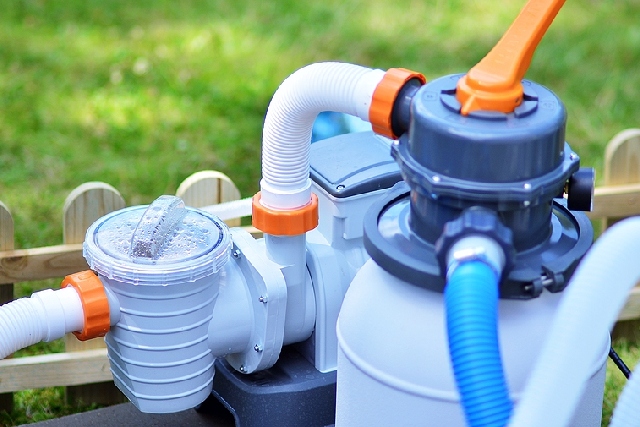
Some pump designs incorporate a built-in prefilter – a preliminary stage that captures leaves, debris and larger particles before they reach the main filter. This protective barrier reduces clogging, enhances filtration efficiency and decreases maintenance requirements, directly contributing to clearer water.
The Importance of Proper Sizing
Selecting the right pump for your pool is more than choosing a powerful unit; it’s about balance. An oversized pump may circulate water quickly but can overwhelm filters, reducing their ability to trap fine particles. An under-powered pump may fail to keep water moving adequately, leading to imbalances in chemical distribution and increased risk of algae growth.
Pump designers and engineers consider head height, flow rate, pool volume and filter type when specifying a pump. Accurate calculations ensure that each component works in harmony, delivering the desired water turnover rate without wasting energy or sacrificing quality. This balance is essential for achieving and maintaining water clarity.
Reducing Chemical Use through Better Design
Effective circulation means that sanitising chemicals are dispersed evenly throughout the pool. When water is circulated correctly, chlorine and other sanitising agents can work as intended, reducing the overall quantity needed and optimising disinfectant efficiency.
Even distribution also helps maintain consistent pH levels, which is a key factor in swimmer comfort and equipment longevity. Imbalanced pH can lead to irritation of eyes and skin, as well as corrosion or scale build-up on pool surfaces and equipment.
Energy Efficiency and Sustainability
Modern pool pumps increasingly prioritise energy efficiency without compromising water quality. Variable speed pumps, for example, adjust performance to match pool usage patterns rather than running at full speed continuously. This not only cuts operational costs but also extends the lifespan of the pump and reduces environmental impact.
By integrating smarter design elements, such as electronic control systems and advanced motor technologies, manufacturers are helping pool owners achieve high-performance circulation and filtration with lower energy usage.
Maintenance and Design Longevity
A well-designed pump makes maintenance easier and less frequent. Accessible components, corrosion-resistant materials and easily cleaned prefilters all contribute to a more reliable system. Regular maintenance, such as checking seals, clearing debris and monitoring motor performance, is still essential, but thoughtful pump design reduces the burden of upkeep over time.
Proper maintenance ensures that the pump continues to operate as intended, preserving water clarity and preventing costly breakdowns.
Common Design Pitfalls to Avoid
Even with the best intentions, improper design choices can undermine pool water quality:
- Incorrect Pump Size: As noted above, mismatched pumps can force filters to work inefficiently or fail to circulate effectively.
- Poor Integration with Filtration Systems: If the pump doesn’t align with the filter’s capacity, filtration performance suffers.
- Neglecting Chemical Mixing: Pump designs that overlook optimal flow patterns can create areas of uneven chemical concentration.
Addressing these pitfalls is essential for any pool system, whether residential or commercial.
The Role of Professional Engineering in Pump Design
Expert engineering, such as that provided by Winston Engineering, ensures that pumps are not just installed, but tailored to the specific needs of the pool environment. From accurate sizing recommendations to seamless integration with existing systems, engineering expertise transforms how water is circulated and treated.
Winston Engineering’s extensive range of pool-related solutions, including customised swimming pump options, reflects years of industry experience and commitment to quality. With access to advanced testing facilities and professional technical support, Winston Engineering helps clients achieve optimal water clarity, safety and system efficiency.
Conclusion
Understanding the impact of pump design on pool water quality and clarity is crucial for anyone responsible for maintaining a pool. From efficient circulation and effective filtration to reduced chemical use and lower energy consumption, thoughtful engineering underpins every aspect of a healthy aquatic environment.
Whether you’re renovating an existing pool system or planning a new installation, partnering with experienced experts like Winston Engineering can make all the difference. Our technical knowledge and tailored solutions ensure your pool water remains crystal-clear, safe and enjoyable for years to come.