Choosing the right pump can feel confusing, especially when terms like “self-priming” and “centrifugal” are thrown around. Both are widely used across industries in Singapore, from commercial buildings and swimming pools to factories and water systems, but they serve slightly different purposes.
If you’re deciding between the two, the better option depends less on which is “superior” and more on what your system actually needs. Let’s break it down in a clear, practical way.
What Is a Centrifugal Pump?
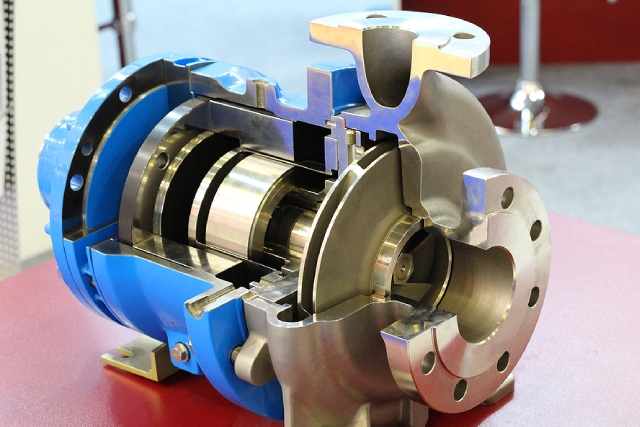
A centrifugal pump is one of the most common types of pumps used today. It works by using a rotating impeller to move liquid through the system. As the impeller spins, it creates velocity, which is then converted into pressure to push the fluid forward.
Why people choose centrifugal pumps
They’re popular for good reason:
- Simple design with fewer moving parts
- Generally lower upfront cost
- Efficient for continuous operation
- Suitable for clean liquids like water
In Singapore, centrifugal pumps are commonly used in:
- Building water supply systems
- Cooling towers
- Industrial processes
- HVAC systems
However, there’s one key limitation: they cannot handle air well. This means they must be fully primed (filled with liquid) before they can operate properly.
What Is a Self-Priming Pump?
A self-priming pump is essentially a modified version of a centrifugal pump, designed to overcome the priming issue. It can automatically remove air from the suction line and start pumping without needing manual priming each time.
This makes it especially useful in situations where:
- The pump is installed above the liquid source
- Air enters the system frequently
- Maintenance access is limited
Why self-priming pumps stand out
- Can handle air-liquid mixtures
- Reduces downtime from manual priming
- More convenient for intermittent use
- Better suited for challenging installations
Key Differences at a Glance
Here’s a simple comparison to help you quickly understand:
| Feature | Centrifugal Pump | Self-Priming Pump |
| Priming required | Yes (manual) | No (automatic) |
| Handles air | Poorly | Well |
| Efficiency | Higher (steady flow) | Slightly lower |
| Maintenance | Simpler | Slightly more complex |
| Best for | Continuous operation | Intermittent or tricky setups |
Which Is Better for Swimming Pools?
When it comes to pumps for swimming pools, both types can be used, but the choice depends on setup and maintenance preferences.
Centrifugal pumps for pools
Most standard pool systems use centrifugal pumps because:
- They are efficient for continuous filtration
- Pool systems are usually designed to stay primed
- Lower cost makes them widely accessible
Self-priming pumps for pools
Self-priming pumps are often preferred when:
- The pump sits above the pool water level
- There’s a risk of air entering the system
- Easier restart is needed after maintenance
In Singapore, where space constraints and equipment layouts vary (especially in condos or rooftop pools), self-priming pumps can offer extra convenience.
Real-World Use Cases in Singapore
Singapore’s infrastructure and climate create unique operating conditions. High humidity, compact plant rooms, and frequent usage cycles all influence pump selection.
Centrifugal pumps work best when:
- The system runs continuously (e.g. industrial cooling systems)
- The pump is installed below the water source
- Efficiency is a top priority
Self-priming pumps are ideal when:
- Equipment is installed above ground or water level
- There are frequent start-stop cycles
- Maintenance teams need quicker restarts
For example, in commercial buildings or older facilities, upgrading to self-priming pumps can reduce manual intervention significantly.
Efficiency vs Convenience: What Matters More?
One of the biggest trade-offs is between efficiency and convenience.
Centrifugal pumps
- More energy-efficient during steady operation
- Lower operating costs over time
- Best for systems that rarely stop
Self-priming pumps
- Slightly less efficient due to design
- More forgiving in real-world conditions
- Saves time and labour during operation
If your system runs non-stop, centrifugal pumps usually win.
If your system frequently stops or deals with air, self-priming pumps are more practical.
Maintenance Considerations
Maintenance is often overlooked, but it can make a big difference in long-term costs.
Centrifugal pump maintenance
- Requires proper priming before startup
- Risk of dry running if not handled correctly
- Simpler internal design
Self-priming pump maintenance
- More components (like priming chamber)
- Easier startup reduces human error
- Better suited for less controlled environments
This is also where modern practices like setting up pump monitoring systems come into play. With better monitoring, both pump types can be managed more efficiently, reducing downtime and unexpected failures.
Common Mistakes When Choosing a Pump
Many businesses focus only on price or brand, but overlook operational needs. Here are some common mistakes to avoid:
- Choosing centrifugal pumps for systems that frequently lose prime
- Overpaying for self-priming pumps when not needed
- Ignoring installation height and layout
- Not considering long-term maintenance requirements
A pump that looks cheaper upfront may cost more in downtime and labour later.
How to Decide: A Simple Checklist
If you’re still unsure, ask yourself:
- Will the pump run continuously or intermittently?
- Is the pump installed above or below the liquid source?
- How often will maintenance or shutdowns happen?
- Is efficiency or convenience more important?
Quick rule of thumb:
- Go with centrifugal pumps for stable, continuous systems
- Choose self-priming pumps for flexibility and ease of use
Final Thoughts
There’s no one-size-fits-all answer when comparing self-priming and centrifugal pumps. Both are reliable, widely used, and effective when applied correctly.
The “better” option depends on your system design, operating conditions, and how much manual intervention you’re willing to manage. Getting this choice right can improve efficiency, reduce downtime, and extend the lifespan of your equipment.
Need Help Choosing the Right Pump?
If you’re unsure which pump suits your setup, it’s always best to consult professionals who understand both the technical side and local operating conditions in Singapore.
Reach out to Winston Engineering for expert advice on pump selection, system optimisation, and reliable engineering support tailored to your needs.