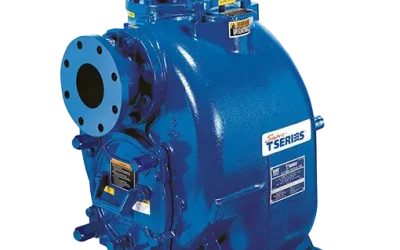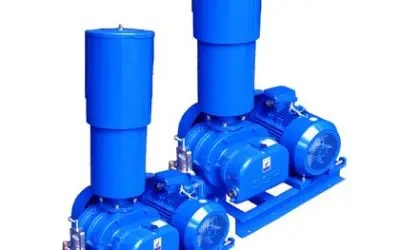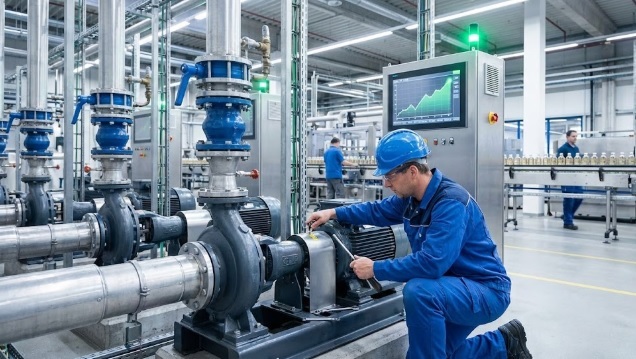
In the industrial world, pumps are vital components that play a major role in ensuring smooth production processes. Pumps are used to transfer liquids, chemicals, cooling water, and other process fluids. Although they may appear simple, pump failures can have serious consequences for factory operations. For this reason, pump preventive maintenance is a key factor that significantly determines overall factory efficiency and reliability.
The Role of Pumps in Factory Operations
Pumps operate almost continuously in many industrial applications, including manufacturing, chemical processing, mining, oil and gas, and power generation. Even minor disruptions in a pump system can lead to reduced production capacity, process imbalances, or complete operational shutdowns (unplanned downtime).
Unfortunately, many factories still operate pumps until failure occurs (run-to-failure strategy). While this approach may seem cost-effective in the short term, it often results in substantial losses over the long run.
What Is Pump Preventive Maintenance?
Pump preventive maintenance is a scheduled maintenance strategy aimed at preventing failures before they occur. This includes routine inspections, lubrication, vibration checks, pressure and flow measurements, inspection of seals and bearings, and replacement of components that show signs of wear.
Unlike corrective maintenance, which is reactive in nature, preventive maintenance is proactive and focuses on long-term reliability.
The Impact of Preventive Maintenance on Factory Efficiency
1. Reducing Production Downtime
Unplanned downtime is one of the greatest threats to factory efficiency. When a pump fails, production processes may come to a complete halt. Preventive maintenance helps identify potential issues at an early stage, allowing repairs to be carried out before the pump experiences a major failure.
With reduced downtime, factories can maintain production targets and avoid losses caused by delayed deliveries or missed business opportunities.
2. Lowering Operational Costs
Pump failures often result in repair costs that are significantly higher than routine maintenance expenses. In addition to spare parts, there are emergency labor costs, production losses, and potential damage to other components caused by pump failure.
Preventive maintenance allows companies to:
-
Avoid emergency repairs
-
Plan maintenance budgets more effectively
-
Extend the service life of pumps and their components
Over time, the total cost of ownership (TCO) of pump systems becomes substantially lower.
3. Improving Energy Efficiency
Poorly maintained pumps often operate outside optimal conditions. Worn bearings, dirty impellers, or improper alignment can increase energy consumption without being immediately noticed. As a result, electricity costs rise and system efficiency declines.
Through preventive maintenance, pump performance can be kept at optimal levels, resulting in:
-
More efficient energy consumption
-
Reduced load on electric motors
-
Lower emissions and minimized energy waste
4. Maintaining Process Quality and Stability
In industrial processes, stable fluid flow and pressure are critical. Malfunctioning pumps can cause flow fluctuations, leaks, or contamination, which ultimately affect final product quality.
Preventive maintenance ensures pumps operate according to their design specifications, helping maintain consistent process performance and product quality.
5. Enhancing Workplace Safety
Pump failures—especially in systems handling hazardous or high-pressure fluids—can pose serious safety risks. Leaks of hot fluids, chemicals, or flammable liquids can endanger workers and the surrounding environment.
With effective preventive maintenance, the risk of sudden failures can be minimized, creating a safer working environment.
Key Elements of Effective Pump Preventive Maintenance
To ensure preventive maintenance is effective, several key elements must be considered:
-
Consistent routine inspection schedules
-
Performance data recording and monitoring
-
Vibration and noise analysis
-
Proper training for maintenance technicians
-
Use of standard-compliant spare parts
This approach enables maintenance teams to make data-driven decisions rather than relying on assumptions.
Preventive Maintenance as an Investment, Not a Cost
Many companies still view preventive maintenance as an additional expense. However, from a strategic perspective, preventive maintenance is an investment in efficiency, reliability, and long-term operational sustainability.
Factories that implement preventive maintenance effectively tend to achieve more stable production performance, controlled operating costs, and lower risk of operational disruptions.
Conclusion
Pump preventive maintenance is not merely a routine activity—it is a decisive factor in factory efficiency. By reducing downtime, lowering costs, improving energy efficiency, maintaining process quality, and enhancing workplace safety, preventive maintenance delivers measurable benefits to overall industrial performance.
This is where the role of an experienced technical partner becomes essential. With a structured preventive maintenance approach, thorough inspections, and technical support that understands industrial pump characteristics in depth, companies can optimize asset performance while extending operational life.
As a provider of industrial pump engineering and repair services, Winston Indonesia supports factories in maintaining pump system reliability and efficiency through inspection, repair, and preventive maintenance services tailored to actual operating conditions. This approach helps reduce failure risks, control long-term costs, and ensure uninterrupted production processes.