Source Image : Istockphoto
In modern fire protection systems, effectiveness is determined not only by how powerful the main pump is, but also by how consistently water pressure is maintained at all times. Behind the complexity of a hydrant system lies one small yet critical component: the jockey pump.
Although much smaller than the main fire pump, the jockey pump plays a major role in ensuring the hydrant system remains at the ideal pressure without requiring the main pump to operate continuously. This article explores the function, working principle, and strategic importance of jockey pumps in maintaining the reliability of modern fire protection systems.
Why Is a Jockey Pump Needed in a Hydrant System?
A fire hydrant system is designed to always be ready to distribute high-pressure water during emergencies. However, under normal conditions, water pressure in the piping network can decrease due to several factors, such as:
-
Minor pipe leaks,
-
Water evaporation caused by high temperatures, or
-
Maintenance activities that release water from the system.
Without additional pressure regulation, the main pump (diesel or electric) would need to switch on every time pressure drops—an inefficient process that shortens the service life of the main pump.
This is where the jockey pump becomes essential. This small pump maintains stable pressure by compensating for minor pressure drops. As a result, the hydrant system stays in standby mode without wasting energy or overworking the primary pump.
Main Functions of a Jockey Pump
Often referred to as a pressure maintenance pump, a jockey pump serves a specific purpose: maintaining water pressure within the fire protection system.
Here are the four primary functions that make it indispensable:
1. Maintaining Constant System Pressure
The jockey pump automatically activates when pressure drops below a preset limit and shuts off once pressure returns to normal.
2. Preventing Frequent Operation of the Main Pump
Without a jockey pump, even small pressure drops would trigger the main pump, causing premature wear and increasing maintenance costs.
3. Ensuring Fire Protection Readiness
With stable pressure across the piping network, sprinkler and hydrant systems activate instantly with optimal discharge once the fire alarm is triggered.
4. Reducing Energy and Operational Costs
Because the jockey pump operates only when needed, electricity consumption and maintenance frequency remain significantly lower.
Principles and Operation of a Jockey Pump
The working principle of a jockey pump is simple yet effective: automated pressure-based operation.
The pump works with two key components—a pressure switch and a control panel—which enable automatic operation without human intervention.
1. Automatic Activation Based on Pressure
When pressure drops (typically between 6–8 bar), the pressure switch sends a signal to the control panel to start the jockey pump.
The pump then increases the pressure until it reaches the upper limit (usually 8–10 bar). Once stabilized, the pressure switch signals the pump to stop.
2. Efficient Work Cycles
The cycle is quick and efficient. The pump operates for only a few minutes at a time, ensuring readiness without burdening the main fire pump.
3. Integration with the Fire Protection System
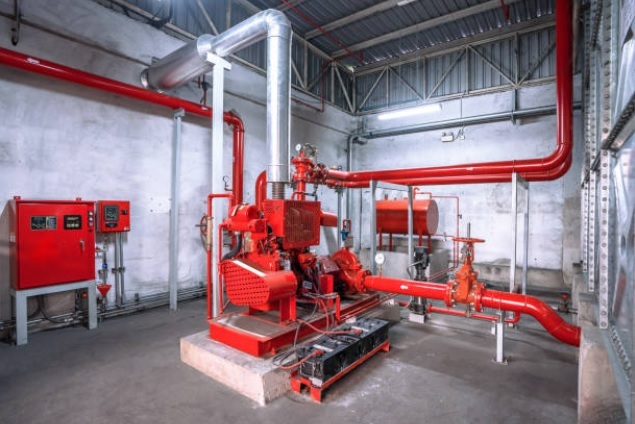
The jockey pump connects to the same pipeline network as the electric and diesel pumps, but with independent controls to allow autonomous operation.
During a major fire or a significant pressure drop, the jockey pump automatically hands over the pressure supply function to the main pump.
Types of Jockey Pumps
Modern industrial systems generally use two main types of jockey pumps, each suited for different pressure needs and installation setups.
1. Centrifugal Jockey Pump
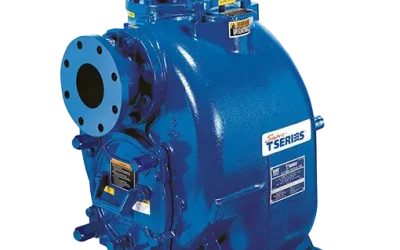
This is the most common type due to its simple design, efficiency, and ease of maintenance. It uses centrifugal force generated by a rotating impeller to move water.
Advantages:
-
Ideal for high-rise buildings and factories
-
Compact design with low operating costs
-
Suitable for low to medium pressure applications
2. Multistage Jockey Pump
This pump uses multiple impellers (stages) operating in series to produce higher pressure, making it ideal for large hydrant systems in industrial areas.
Advantages:
-
Capable of maintaining pressure above 10 bar
-
Available in vertical and horizontal options
-
Highly efficient for large-capacity clean water and hydrant systems
Both types typically use three-phase electric motors (380V, 50Hz) with automatic pressure-sensor-based control.
Related Products:
Benefits of Using a Jockey Pump in Fire Protection Systems
Implementing a jockey pump provides numerous technical and economic advantages, including:
-
Operational efficiency: main pumps activate less frequently, extending their lifespan
-
Improved system reliability: constant water pressure even with minor leaks
-
Faster emergency response: pressure is already available before the main pump starts
-
Energy savings: small-capacity motors (around 3–5 kW) are sufficient to maintain pressure
-
Lower maintenance costs: automated operation reduces manual inspections
In industrial settings especially high-rise buildings, manufacturing plants, power plants, and oil & gas facilities—jockey pumps have become a standard component due to their reliability in stabilizing pressure without human intervention.
Conclusion
Though often seen as a small component, the jockey pump is the backbone of pressure stability in modern hydrant systems. Without it, fire protection systems would struggle to maintain ideal pressure, risk damage to main pumps, and lose energy efficiency.
Jockey pumps operate automatically, precisely, and efficiently to maintain stable water pressure, ensuring fire pumps are ready whenever needed while minimizing long-term maintenance costs. In industrial fire protection, this small component plays a major role in safeguarding large-scale safety systems.
Winston Engineering Indonesia
As a leading provider of industrial pump solutions and fire protection systems in Southeast Asia, Winston Engineering Indonesia offers jockey pumps, fire pumps, and advanced water distribution systems engineered for reliability, efficiency, and long-term durability.
With over three decades of experience and support from global brands, Winston Engineering serves various sectors commercial buildings, manufacturing, energy, and oil & gas—through customized pumping solutions tailored to customer needs.
Visit winstonengineering.com/id to learn how Winston can help you build a safe, efficient, and internationally compliant fire protection system.