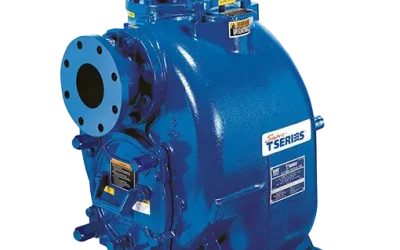
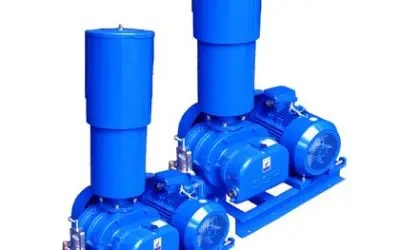
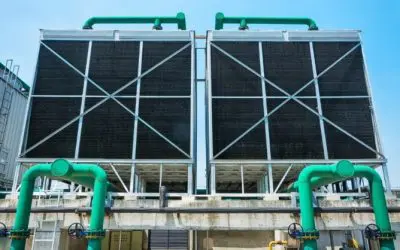
In the modern industrial world, machine efficiency is not just a target—it is a strategic necessity. Every second of downtime can mean significant losses, and even the slightest friction inside a machine can drastically reduce performance. This is where oil pumps play a vital role as the heart of the lubrication system, ensuring every component moves smoothly and efficiently.
An oil pump is not merely a simple device that transfers lubricant; it is an intelligent system that regulates pressure, controls temperature, and protects machine components from premature wear. This article explores in depth how oil pumps work, why they are essential for industry, and how the latest technologies enhance the operational efficiency of modern machinery.
The Vital Role of Oil Pumps in Industrial Systems
Every machine with moving parts from turbines and compressors to diesel engines and gearboxes requires constant lubrication to prevent direct metal-to-metal contact. Oil pumps ensure that lubricant continually circulates from the tank, through filters, and to friction points inside the machine.
Without an optimally functioning oil pump system, oil would fail to reach critical components such as bearings, crankshafts, and pistons. As a result, friction increases, temperatures rise, and the risk of catastrophic failure becomes much higher.
In the industrial sector, this is not merely a technical issue it is a matter of productivity and machine lifespan.
How Oil Pumps Work
The working principle of an oil pump is simple yet highly efficient. When the machine is started, the oil pump begins to rotate—typically driven by the crankshaft or an auxiliary motor. The core process consists of three main stages:
1. Suction
Oil is drawn from the reservoir through the inlet port. Some oil pumps use rotor or gear mechanisms to create a vacuum that pulls oil into the pump chamber.
2. Compression
As the rotor or gears rotate, the internal pump chamber changes volume, creating pressure that pushes the oil toward the outlet. At this stage, adequate pressure is crucial to ensure smooth flow throughout the lubrication system.
3. Discharge
High-pressure oil is distributed to components such as bearings, crankshafts, and camshafts before returning to the reservoir for cooling and recirculation.
This cycle repeats continuously during machine operation, forming a closed lubrication system that maintains optimal machine performance.
Types of Industrial Oil Pumps
In modern industries, different oil pump types are used depending on pressure requirements, oil viscosity, and machine characteristics. Below are the most common types:
1. Gear Pump
This pump uses two intermeshing gears to transfer oil. Its simple and durable design makes it popular for industrial machinery and heavy vehicles.
Advantages: robust, easy to maintain, effective at medium pressure.
Disadvantages: relatively noisy during operation.
Related Product: Liquiflo Pump
2. Rotary Lobe Pump
This pump uses two synchronized rotating lobes to create smooth and stable oil flow. Ideal for high-viscosity oils or systems that require high flow rates.
Advantages: stable flow, easy to clean, suitable for thick fluids.
3. Vane Pump
Utilizes a rotor with sliding vanes rotating inside an eccentric chamber. Capable of producing constant pressure and efficient under various conditions.
Advantages: high efficiency, smooth flow, suitable for precision machinery.
4. Trochoid and Gerotor Pump
Widely used in automotive engines and closed lubrication systems. Compact design ensures stable pressure even at high rotational speeds.
Advantages: small size, consistent performance, ideal for automated lubrication.
5. Plunger / Piston Pump
Designed for applications requiring extremely high pressure, such as hydraulic systems and heavy equipment.
Advantages: capable of generating very high pressure (thousands of psi).
Related Product: Annovi Pump
Choosing the right pump depends on fluid characteristics, flow capacity, and the specific pressure requirements of the industrial lubrication system.
Why Oil Pumps Improve Machine Efficiency
Machine efficiency is influenced not only by fuel and mechanical design but also by the lubrication system that ensures all components operate under ideal conditions. Oil pumps play a critical role in the following aspects:
1. Reducing Friction and Heat
Oil forms a thin film between moving metal surfaces, reducing friction and preventing excessive heat buildup. This keeps the machine operating at optimal temperatures.
2. Preventing Premature Wear
Proper lubrication significantly reduces metal-to-metal contact, extending the lifespan of components such as bearings and pistons.
3. Maintaining System Cleanliness
As oil circulates, contaminants and metal particles are carried to the oil filter, keeping the system clean and maintaining consistent performance.
4. Energy Efficiency and Lower Operating Costs
Machines running with reduced friction require less power, which lowers overall energy consumption. On an industrial scale, this translates to substantial energy savings and reduced maintenance costs.
Oil Pump Maintenance and Monitoring
Oil pumps operate continuously while the machine is running, making regular maintenance essential. Key steps include:
-
Use oil with viscosity recommended by the manufacturer.
-
Replace oil filters regularly to prevent pressure drops.
-
Monitor oil pressure consistently and identify early signs of wear or leaks.
-
Inspect seals and distribution pipes for leakage.
-
Conduct scheduled mechanical inspections, especially on gears or vanes that rotate at high speed.
Proper maintenance not only extends pump life but also ensures stable and efficient machine performance.
Oil Pump Technology in the Industry 4.0 Era
Today, industrial lubrication systems are transitioning into the digital era. Modern oil pumps are equipped with sensors for pressure, temperature, and flow—connected to IoT systems.
With real-time monitoring, operators can detect anomalies early, such as dropping pressure or viscosity changes due to high temperature.
This technology enhances system reliability and reduces preventive maintenance costs, as early warnings enable corrective action before major failures occur.
Conclusion
Oil pumps are not just supporting components—they are key drivers of industrial machine efficiency. They ensure optimal lubrication, maintain stable operating temperatures, and extend machinery lifespan.
With proper pump selection, high-quality oil, and advanced monitoring systems, operational efficiency can increase significantly—making oil pumps an essential part of maintenance excellence strategies in the modern industrial era.
Winston Engineering Indonesia
As one of Southeast Asia’s leading pump solution providers, Winston Engineering Indonesia offers a comprehensive range of industrial oil pumps, gear pumps, rotary lobe pumps, and screw pumps from world-class brands.
With decades of experience in fluid engineering, Winston Engineering supports companies in manufacturing, oil & gas, and energy sectors to optimize lubrication systems, improve energy efficiency, and reduce machine maintenance costs.
For more information, visit winstonengineering.com and discover the best pump solutions tailored to your industrial needs.