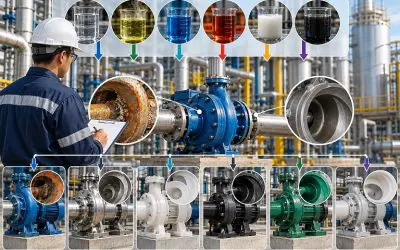
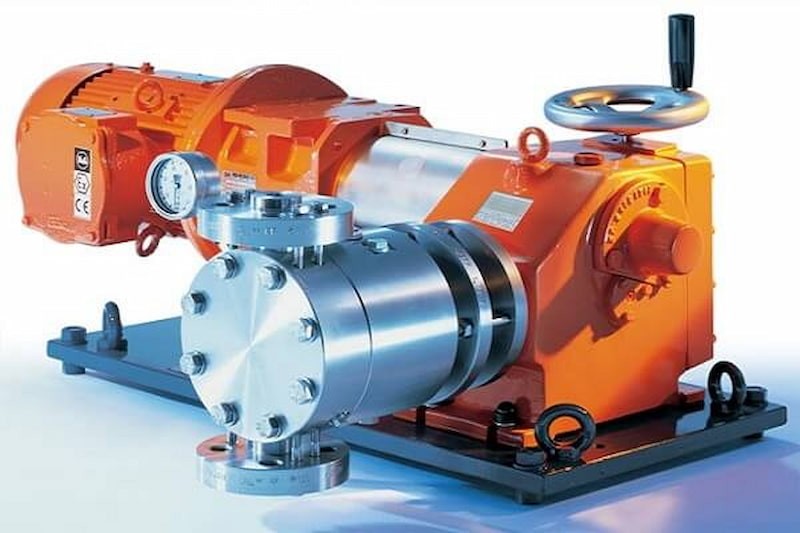
Selecting a pump for corrosive chemicals involves more than simply considering flow rate and pressure. The pump materials must also be chemically compatible with the fluid being transferred. Choosing the wrong material can result in corrosion, leakage, reduced performance, product contamination, and even complete pump failure.
Every chemical has different characteristics. Its level of corrosivity can vary depending on factors such as concentration, temperature, the presence of solid particles, and overall operating conditions. Therefore, material selection must cover all components that come into direct contact with the fluid, or the wetted parts, including the casing, diaphragm, impeller, shaft, valve ball, valve seat, gasket, and seals.
The following are several common pump materials used for handling corrosive chemicals across various industrial sectors.
1. Polyethylene (PE)
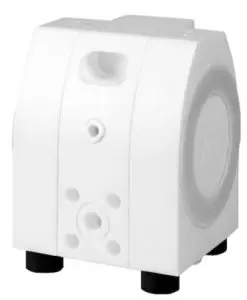
Polyethylene offers excellent resistance to a wide range of chemicals and does not present the same corrosion risks associated with conventional metal materials. It is lightweight and is widely used in Air-Operated Double Diaphragm (AODD) pumps for chemical processing applications.
ALMATEC AODD Pumps are available in PE and PTFE materials, including conductive versions. These pumps are well suited for transferring corrosive fluids in the chemical, pharmaceutical, and oil and gas industries.
Conductive versions can be particularly relevant in applications where strict static electricity control is required. However, ATEX requirements and the overall installation configuration should still be evaluated carefully based on the specific application.
2. Polypropylene (PP)
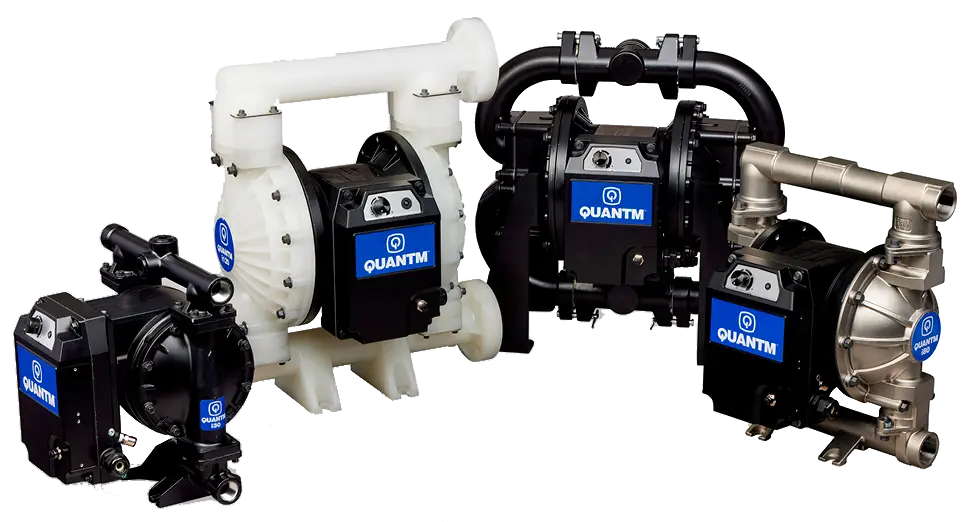
Polypropylene is a commonly used plastic material for handling various chemical solutions. Its key advantages include low weight, corrosion resistance, and relatively cost-effective construction.
The Graco QUANTM Electric Operated Double Diaphragm Pump is available with polypropylene construction for chemical transfer applications. Unlike conventional AODD pumps that rely on compressed air, QUANTM is electrically driven and can therefore be considered when reducing compressed-air consumption is a priority.
In addition to polypropylene, available material options include PVDF, stainless steel, Hastelloy, aluminum, and cast iron, depending on the specific pump configuration.
3. PTFE
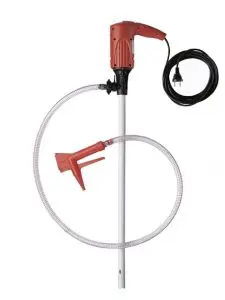
PTFE is widely used for seals, gaskets, O-rings, and other components that come into direct contact with the fluid, including in FLUX Drum Pump applications. This material is known for its excellent chemical resistance and is suitable for handling a wide range of fluids, including certain aggressive chemicals.
However, PTFE selection should still be based on the specific fluid, temperature, pressure, and operating conditions. These factors can affect the performance and service life of PTFE components.
4. PVDF
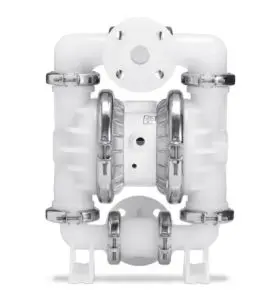
PVDF offers a combination of high chemical resistance, excellent mechanical strength, and the ability to withstand higher temperatures compared with some commonly used plastic materials.
PVDF is available as one of the material options for Wilden AODD Pumps. This option can be considered for chemical fluids that may not be suitable for polypropylene. However, compatibility should always be verified based on the specific chemical, concentration, and actual operating temperature.
Avoid selecting pump materials based solely on general terms such as “acid” or “alkaline.” Chemicals with similar classifications can have significantly different levels of corrosivity when their concentration or temperature changes.
5. ETFE-Lined Construction
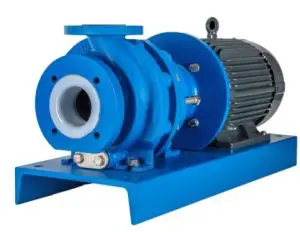
For applications requiring higher flow rates and heads, an FTI Magnetic Sealless Centrifugal Pump can be considered. This pump uses an ETFE-lined ductile iron construction, combining a metal casing for structural strength with an ETFE lining on surfaces that come into contact with the fluid.
In addition to its material construction, the pump uses a magnetic drive system without a conventional mechanical seal. This design helps minimize potential leakage points, making it suitable for transferring corrosive, hazardous, or high-value fluids where leakage prevention is a critical consideration.
6. Stainless Steel 316 and 316L
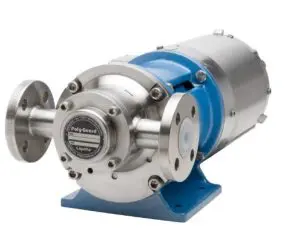
316 and 316L stainless steel are widely used in industrial pumps because they offer good corrosion resistance, strong mechanical properties, and ease of cleaning. However, these materials are not resistant to every type of chemical fluid.
The Liquiflo Sealed & Mag-Drive Gear Pump is available in 316 stainless steel and can be used for corrosive or hazardous fluids, as well as high-viscosity applications requiring controlled and precise flow.
7. Alloys
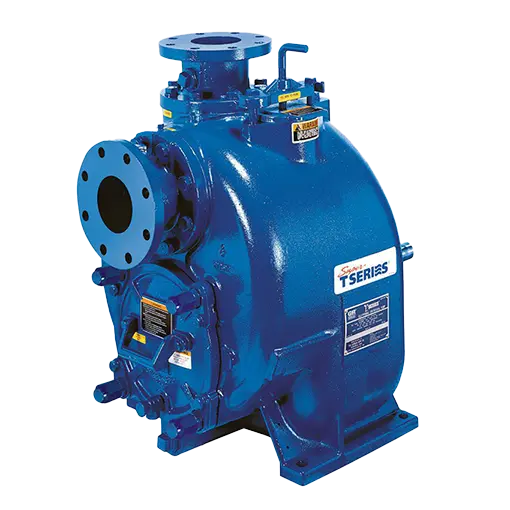
If the corrosion resistance of stainless steel is insufficient for a particular application, specialized materials such as Hastelloy, Alloy C, Alloy 20, CD4MCu, or titanium may be considered.
For demanding applications involving heavy-duty fluids or specialized chemicals that require strong suction capability and high reliability, Graco QUANTM Electric Operated Double Diaphragm Pump are available with material options designed to address challenging industrial conditions.
Alloy materials generally come at a higher cost, but they can provide longer service life and help reduce the risk of unplanned downtime in severe corrosive applications.
Conclusion
Winston Indonesia offers a comprehensive range of high-quality pump solutions with material options including PE, PTFE, polypropylene, PVDF, ETFE-lined construction, stainless steel, Hastelloy, Alloy C, and other specialized materials.
Need Help Selecting the Right Specification?
Consult your fluid properties and operating conditions with the Winston Indonesia technical team to determine the most appropriate combination of pump type and material for a safe, efficient, and reliable solution that meets your industrial requirements.

Author Bio
Rian

Team PT Winston technically driven member of PT Winston Indonesia with strong practical knowledge of pumps and fluid handling solutions. We work closely with customers to understand their operating requirements, recommend suitable pump solutions, and introduce products that can improve reliability, efficiency, and overall system performance. With a hands-on and solution-oriented approach, We help bridge technical requirements with practical product selection, ensuring customers receive the right pumping solution for their applications.
See all posts by Rian »