The existence of ships in human life deserves greater appreciation. Ships make transportation and mobility across waterways easier and more efficient. This innovation in water transportation continues to evolve, including the development of various types of pumps used on ships that help improve operational convenience and safety.
You may wonder, “Why are pumps so important in ship operations?” To help you understand better, Winston provides complete information about the various types of pumps used on ships. This knowledge is important because pumps are not merely ordinary mechanical components.
Their presence plays a crucial role in ensuring that every ship operation runs smoothly. Let’s explore the important roles played by pumps on marine vessels.
Explore Other Best Products from Winston
Pumps on ships serve various important functions that help maintain smooth operations and ensure safe voyages. Below are some of the primary functions of pumps on ships that you should understand.
1. Pumping Seawater
One of the main functions of pumps on ships is to pump seawater. Seawater is used for various operational purposes, including engine cooling systems, deck washing, and sanitation needs. Efficient seawater pumps ensure an adequate and reliable water supply onboard.
2. Pumping Fuel
Pumps on ships are also used to transfer fuel to the ship’s engines. This includes diesel fuel, fuel oil, or natural gas, depending on the type of engine used. Reliable fuel pumps are essential for maintaining efficient engine performance.
3. Draining Compartments
Some pumps on ships, such as bilge pumps, are used to drain compartments that may become flooded with water. This is very important for keeping the ship dry and safe, as well as preventing damage caused by excessive water accumulation.
4. Pumping Hazardous Liquids
Ships often transport various hazardous liquids such as oil, waste, and chemicals. Specially designed pumps are used to safely transfer these liquids, reducing the risk of environmental pollution while ensuring the safety of both the vessel and its crew.
5. Temperature Control
Cooling pumps are also an integral part of a ship’s engine cooling system. They help maintain engine temperatures at optimal levels. Overheated engines can cause serious damage, making cooling pumps essential for maintaining engine performance and reliability.
Related Products from Winston Indonesia
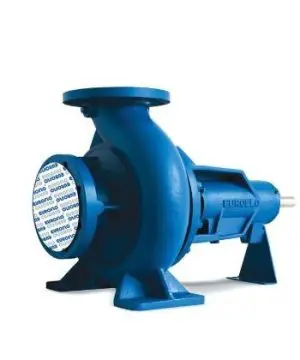
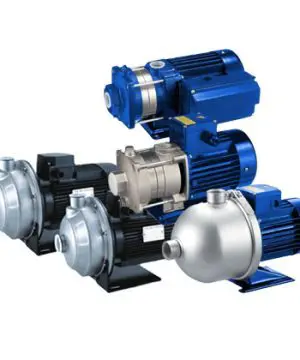
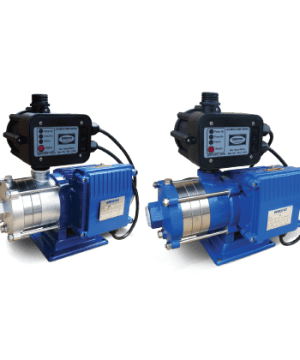
Euroflo


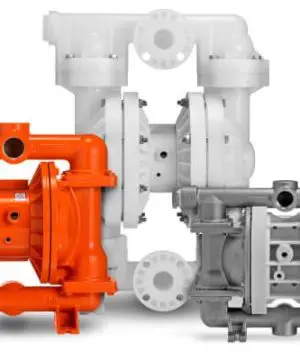
Wilden Pump


Common Types of Pumps Used on Ships
Below are several types of pumps commonly used on ships.
1. Centrifugal Pump
Centrifugal pumps are among the most commonly used pumps on ships. These pumps operate by spinning fluid at high speed through the center of the pump to create pressure. They are typically used for pumping seawater, fuel, and various other liquids. Their main advantages are ease of operation and simple maintenance.
2. Gear Pump
Gear pumps use rotating gears to transfer fluids. These pumps are highly efficient for pumping fuel, lubricating oil, or other hazardous liquids. They provide stable and consistent flow, making them ideal for applications requiring precision.
3. Reciprocating Pump
Reciprocating pumps use the back-and-forth motion of a piston or plunger to move fluids. These pumps are generally used in applications requiring high pressure, such as ship hydraulic systems.
4. Diaphragm Pump
Diaphragm pumps use a flexible membrane to transfer liquids. Their main advantage is that there is no direct contact between the pumped fluid and the pump components. This makes them an ideal choice for transferring hazardous or easily oxidized liquids.
5. Screw Pump
Screw pumps use screw-like rotating elements to transfer liquids smoothly and steadily. They are suitable for pumping fuel, lubricants, and high-viscosity fluids. These pumps provide highly stable flow rates, reducing the risk of damage to the transferred liquid.
6. Submersible Pump
Submersible pumps are specifically designed to operate underwater, such as in ship bilge systems. They can function while fully submerged without risk of damage, making them ideal for pumping water that enters the ship.
7. Vane Pump
As the name suggests, vane pumps use rotating vanes inside the pump housing to move fluids. They are commonly used in ship hydraulic systems and fuel transfer systems. Their main advantage lies in their efficiency when handling high-viscosity liquids.
8. Peristaltic Pump
Peristaltic pumps use rollers or silicone tubing to compress and transfer fluids. These pumps are ideal for handling hazardous or sensitive liquids because there is no direct contact between the fluid and the pump components.
How about now? Do you have a better understanding of the various types of pumps commonly used on ships? These pumps serve as key components in ensuring ship operations run safely and efficiently. When choosing the right pump for your vessel, it is important to carefully consider each pump’s function and characteristics.
If you are looking for high-quality water pumps to improve your ship’s operational efficiency, such as gear pumps or centrifugal pumps, do not hesitate to purchase them from Winston Indonesia. As a trusted partner for many years, Winston Indonesia provides high-quality marine equipment supported by professional service.
With premium products from Winston Indonesia, you can be confident that your ship operations will remain optimal. Visit Winston Indonesia today and discover the equipment you need!