Swimming pools bring relaxation, exercise and enjoyment, but they also come with ongoing operating costs. One of the most common questions pool owners ask is how much electricity their swimming pool pump actually uses. The pump runs daily to circulate and filter the water, making it one of the most important and energy-consuming pieces of pool equipment.
Understanding how pumps consume electricity can help homeowners, facility managers and property developers manage operating costs more effectively while still keeping the pool clean and safe.
This guide explains how swimming pool pumps use electricity, what affects their energy consumption, and how you can keep energy use under control without compromising performance.
Why Swimming Pool Pumps Need to Run Daily
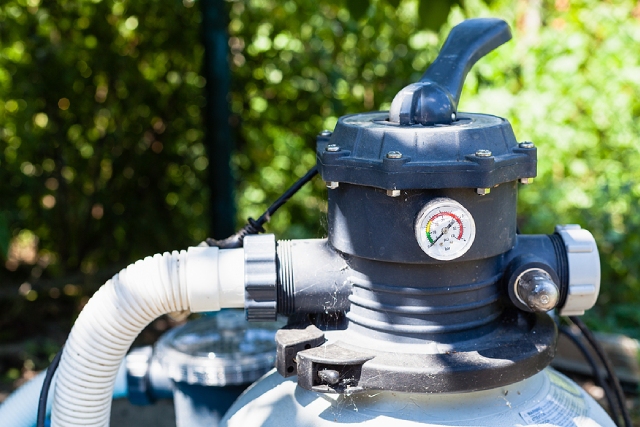
A swimming pool pump moves water through the filtration system. It pulls water from the pool, pushes it through filters and treatment systems, and returns the clean water back into the pool.
This continuous circulation is necessary to maintain water quality and clarity. Without circulation, debris accumulates, chemicals distribute unevenly and algae can quickly develop.
Most pool systems are designed so the pump runs several hours each day to ensure the entire volume of pool water is filtered regularly. While this keeps the pool healthy, it also means the pump operates more frequently than many other household or facility appliances.
As a result, electricity consumption becomes an important consideration for long-term pool ownership.
How Much Electricity a Pool Pump Typically Uses
Electricity consumption depends largely on the pump’s power rating and how long it runs each day.
Swimming pool pumps are usually rated between 0.75 horsepower (HP) and 3 HP. Larger commercial pools may use even more powerful pumps.
To estimate electricity usage, consider this simplified example:
- 1 HP pump ≈ 0.75 kilowatts (kW)
- Running for 8 hours per day
- Electricity consumption per day:
75 kW × 8 hours = 6 kWh per day
Over a month, that becomes roughly:
- 180 kWh per month
If electricity costs around $0.30 per kWh, the pump may cost around:
- $54 per month
Larger pumps, longer operating hours or inefficient systems can increase this figure significantly.
Commercial facilities, condominium pools or large residential properties may run pumps longer each day, resulting in higher electricity use.
Factors That Affect Pump Electricity Consumption
Not all swimming pools consume the same amount of electricity. Several factors influence how much energy a pump uses.
1. Pump Size
Larger pumps move more water but consume more power.
Many pools are fitted with pumps that are larger than necessary. Oversized pumps circulate water faster but often waste electricity. Proper pump sizing helps balance circulation needs with energy efficiency.
2. Pump Run Time
Operating hours have a direct impact on electricity consumption.
Most pools need 6 to 10 hours of circulation daily, depending on pool size and filtration requirements. Running the pump longer than necessary increases electricity costs without providing significant benefits.
Timers or automated controllers can help manage pump schedules more efficiently.
3. Pool Size and Design
Bigger pools require stronger pumps and longer filtration cycles. Pools with water features such as fountains, waterfalls or spa jets may also require additional pumps or longer operating periods.
Commercial or public pools typically have more complex circulation systems, which increases electricity demand.
4. Pump Technology
Older pumps tend to use more electricity than modern designs.
Traditional single-speed pumps operate at full power whenever they run. Newer variable-speed pumps can adjust their speed depending on the circulation needs of the pool.
Running a pump at lower speeds for longer periods can actually reduce overall electricity consumption while still maintaining effective filtration.
5. Filter Condition
Clogged or dirty filters make the pump work harder to push water through the system. This increases electricity consumption and can shorten the pump’s lifespan.
Regular maintenance helps keep the system operating efficiently.
Typical Electricity Use for Pools in Singapore
Climate and usage patterns also affect electricity consumption.
Pools in tropical environments like Singapore are used throughout the year, which means pumps often operate continuously without seasonal shutdowns. Residential pools may run daily, while condominium or hotel pools operate for longer periods due to heavier usage.
Because of this, selecting the right equipment becomes especially important. Many property managers and developers look for pumps for swimming pools in Singapore that are specifically designed for durability, energy efficiency and consistent operation in warm climates.
Choosing the correct pump and system design helps control electricity costs while maintaining reliable pool circulation.
Ways to Reduce Pool Pump Electricity Costs
While pumps must run regularly, there are several ways to reduce energy consumption.
Install a Variable-Speed Pump
Variable-speed pumps can adjust their motor speed depending on filtration needs. Running the pump at lower speeds uses significantly less electricity compared to traditional single-speed systems.
Although these pumps may cost more initially, the long-term energy savings can be substantial.
Optimise Pump Schedules
Running the pump for excessively long periods wastes electricity. Many pools only require one complete water turnover per day, meaning the pump only needs to run long enough to circulate the full pool volume once.
Timers or smart controllers can help automate the process.
Maintain Filters and Equipment
Clean filters allow water to flow easily through the system. Regular maintenance ensures the pump does not need to work harder than necessary.
Checking valves, pipes and baskets also helps keep the system operating efficiently.
Ensure Proper Pump Sizing
Installing a pump that matches the pool’s circulation requirements is essential. Oversized pumps often consume more electricity than necessary.
Professional consultation during installation or system upgrades can help determine the correct pump size for the pool.
Why Efficient Pump Systems Matter
Energy-efficient pump systems provide more than just lower electricity bills.
Well-designed circulation systems improve overall pool performance. They distribute chemicals more evenly, remove debris more effectively and reduce strain on filtration equipment.
Over time, efficient systems can also extend the lifespan of pumps, filters and other pool components.
For commercial facilities such as condominiums, hotels or sports clubs, even small improvements in pump efficiency can result in significant cost savings over the years.
Making Smart Decisions About Pool Pumps
Swimming pool pumps are essential for keeping water clean and safe, but they also represent a continuous electricity expense. Understanding how pumps consume energy helps pool owners make better decisions when installing, upgrading or maintaining their systems.
Factors such as pump size, technology, operating hours and maintenance all influence electricity consumption. With the right equipment and proper system design, it is possible to keep pools running efficiently while keeping energy costs manageable.
If you are planning to install or upgrade your pool circulation system, working with an experienced supplier can help ensure the right equipment is selected for long-term performance and reliability.
For professional advice and high-quality pump solutions, contact Winston Engineering to find the right system for your swimming pool requirements.

Author Bio
Team Winston Engineering

Team Winston Engineering is made up of pump specialists, engineers, and industry experts with over 40 years of hands-on experience in fluid management solutions. Founded in Singapore in 1977, Winston Engineering has grown into Southeast Asia's leading pump specialist, serving industries ranging from oil and gas to water treatment, HVAC, and power generation. With regional offices across Singapore, Malaysia, Indonesia, and China, the team brings deep technical expertise and a customer-first approach to every project, backed by the region's only state-of-the-art pump test bay.
See all posts by Team Winston Engineering »