

An electric diaphragm pump is designed for businesses that need reliable liquid transfer, better process control, and lower operating costs. In industrial settings, pumps are rarely used for simple water movement alone. They may need to transfer chemicals, viscous liquids, abrasive materials, hygienic products, treatment fluids, inks, coatings, or liquids containing solids. These fluids create real challenges for production teams because the wrong pump can cause inconsistent flow, higher energy use, excessive maintenance, or damage to the material being transferred.
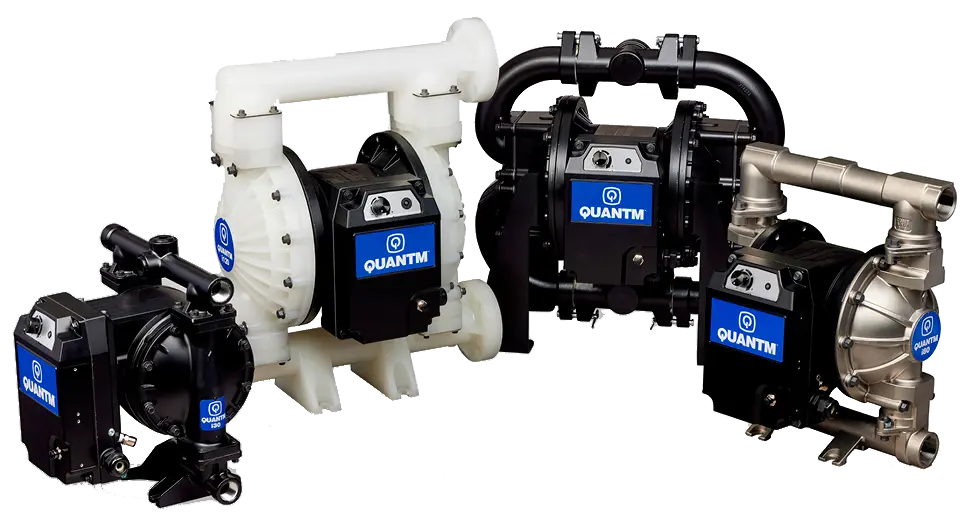
The Graco QUANTM electric diaphragm pump is an EODD pump, which means electrically operated double diaphragm pump. Instead of relying on compressed air, it uses an electric motor. This helps businesses reduce dependence on compressed air systems while supporting energy savings, improved control, and more predictable pump operation.
For companies in Malaysia, the value of an electric diaphragm pump is not only what it can move. . Its real value is how it solves daily transfer problems across chemical processing, food and beverage production, wastewater treatment, manufacturing, coatings, cosmetics, printing, and packaging. Winston Engineering is a trusted Graco diaphragm pump distributor in Malaysia, offering expert advice, dependable service, and product support for companies looking to integrate QUANTM into their operations.
Why Industrial Users Choose an Electric Diaphragm Pump to Solve Energy and Control Challenges
Many industrial facilities still use air-operated diaphragm pumps because they are known for handling difficult fluids. However, compressed air can be costly to generate and maintain. It may require compressors, air lines, dryers, filters, and regular system upkeep. Over time, this can increase the true cost of running the pump.
An electric diaphragm pump solves this by using electric drive technology instead of relying fully on compressed air. QUANTM is designed to reduce energy consumption by up to 80% compared to traditional pumps, helping companies lower operating costs without compromising performance. This is especially valuable for facilities that run pumps for long hours, operate multiple pumps, or want to improve energy efficiency across production.
Beyond energy savings, electric diaphragm pump technology also solves control issues. QUANTM includes integrated controls that allow users to control flow and pressure at the pump, with I/O available for remote operation. This gives operators better command over the process instead of depending on manual adjustments or separate control systems.
For industrial buyers, this means smoother production, better repeatability, and less pressure on maintenance teams.
How an Electric Diaphragm Pump Solves Chemical Processing Challenges
In chemical processing, the challenge is not just moving liquid from one point to another. Many facilities handle acids, solvents, additives, detergents, cleaning chemicals, and other process liquids that may be corrosive, sensitive, or difficult to transfer with standard pump types. If the wrong pump is used, the facility may face leaks, poor compatibility, unstable flow, or frequent maintenance.
Anelectric diaphragm pumphelps solve these problems by supporting controlled transfer for challenging chemical applications. QUANTM’s electric drive allows operators to manage flow and pressure more precisely, which is useful when chemicals must be moved carefully between tanks, process lines, and storage areas. Its diaphragm pump design also makes it suitable for many industrial liquids that may not be ideal for conventional pump technologies.
For chemical manufacturers, reliability matters because pump failure can interrupt production and create handling risks. QUANTM’s ability to self-prime, dry run, and handle solids and abrasive materials makes it relevant for demanding transfer applications. Winston Engineering can support chemical businesses by helping review material compatibility, operating conditions, flow requirements, and system integration before recommending the right configuration.
How an Electric Diaphragm Pump Solves Food and Beverage Transfer Problems
Food and beverage manufacturers often work with pumps for sauces, syrups, oils, flavourings, liquid ingredients, cleaning solutions, and other production fluids. These materials can vary in viscosity, cleanliness requirements, and handling sensitivity. A poor pump choice can lead to inconsistent transfer, production delays, excessive cleaning work, or unnecessary product waste.
An electric diaphragm pump helps solve these issues by offering controlled movement for different fluid types. QUANTM is available in configurations for hygienic applications, making it relevant for facilities that need productivity, cleanability, and reliable operation. Instead of forcing a facility to depend on compressed air for every transfer point, QUANTM gives businesses an electric alternative that supports process control and energy savings.
For example, a sauce manufacturer may need to transfer thicker ingredients from a mixing tank to a filling line without inconsistent surging. A beverage plant may need to move syrups or flavouring ingredients between process stages. A food processor may need reliable pumping for cleaning chemicals used in washdown or sanitation processes. In each case, the electric diaphragm pump helps solve a practical production problem: keeping liquid moving consistently without adding unnecessary downtime.
How an Electric Diaphragm Pump Solves Water and Wastewater Treatment Issues
Water and wastewater treatment facilities often use pumps for chemical dosing, sludge handling, transfer of treatment chemicals, pH adjustment, and movement of liquids that may contain solids or abrasive particles. These applications are demanding because the fluid is not always clean, light, or easy to pump. Conditions can also change throughout the day depending on inflow, treatment stage, and system demand.
An electric diaphragm pump helps solve these treatment challenges by offering resilience in changing conditions. QUANTM is designed to handle solids and abrasive materials, which makes it suitable for challenging industrial environments. Its ability to dry run and self-prime is useful in treatment facilities where suction conditions, tank levels, or fluid properties may vary.
For treatment plant operators, the goal is not only to move liquid. The goal is to keep the treatment process stable. A pump that supports controlled flow, simplified maintenance, and energy efficiency can reduce operational interruptions and help teams maintain treatment performance. Winston Engineering can help operators select an electric diaphragm pump configuration based on the specific liquid, duty cycle, and site conditions.
How an Electric Diaphragm Pump Solves Paints, Coatings, and Ink Transfer Problems
Paints, coatings, and inks can be difficult to pump because they may be viscous, abrasive, or sensitive to inconsistent flow. These materials may also contain pigments, fillers, or solids that require careful handling. If pumped too aggressively, shear-sensitive pigments can degrade, affecting product quality, colour consistency, or finish performance.
The QUANTM electric diaphragm pump solves this by using integrated variable speed controls to support a steady, smooth flow. This helps production teams move inks, adhesives, paints, and coating materials with better control over pressure and flow. Instead of relying on unstable manual adjustment, operators can manage transfer conditions more precisely at the pump.
In paint and coating production, this control matters because inconsistency can affect filling accuracy, batch quality, or application results. For printing operations, steady ink transfer supports more reliable machine feeding. For coating lines, controlled movement reduces the risk of pressure swings that may interrupt production. QUANTM’s electric drive also helps reduce energy costs linked to compressed air systems, making it a practical upgrade for facilities trying to improve both quality and efficiency.
How an Electric Diaphragm Pump Solves Manufacturing and Industrial Liquid Transfer Challenges
General manufacturing facilities often use pumps across production lines, utility areas, maintenance departments, and process support systems. These pumps may need to move lubricants, coolants, adhesives, cleaning chemicals, waste fluids, and other industrial materials. When a pump is hard to maintain or poorly matched to the fluid, production teams may face stoppages, repeated troubleshooting, and higher maintenance workload.
An electric diaphragm pump solves these issues by combining diaphragm pump versatility with electric drive efficiency. QUANTM is built for quick installation, intuitive operation, and minimal maintenance, helping teams keep workflows moving with less disruption. This is useful for manufacturers that need dependable transfer across different parts of the facility without creating unnecessary service demands.
For manufacturers, the pump should not become a bottleneck. It should support the process quietly, consistently, and efficiently. By reducing dependence on compressed air and offering better flow control, QUANTM helps businesses treat liquid transfer as part of a wider productivity strategy rather than a recurring maintenance problem.
How an Electric Diaphragm Pump Solves Personal Care and Cosmetics Production Issues
Personal care and cosmetics manufacturers often handle products such as shampoos, gels, lotions, creams, conditioners, and liquid soaps. These products can be thicker than water and may require careful transfer to avoid inconsistent filling or production delays. Some products also need clean handling and smooth movement between process stages.
An electric diaphragm pump helps solve these challenges by supporting transfer between mixing tanks, holding tanks, and filling lines, depending on the product and pump configuration. QUANTM’s availability in hygienic configurations makes it relevant for businesses that need to balance productivity with cleanliness and process control.
For cosmetics manufacturers, the benefit is not just energy efficiency. A good pump can help maintain smoother production, reduce manual handling, and support more consistent transfer of viscous products. When production teams have better flow control, they can reduce interruptions and keep filling or packaging operations running more smoothly.
How an Electric Diaphragm Pump Solves Packaging, Printing, and Adhesive Supply Problems
ese materials must move reliably from storage containers to machines, tanks, or application systems. If supply is inconsistent, the result can be machine stoppages, uneven application, wasted material, or extra cleaning work.
An electric diaphragm pump helps solve this by delivering controlled transfer for demanding liquids. QUANTM supports steady flow and pressure control, making it useful for operations where material supply must stay consistent during production. For facilities running long hours, the energy-saving potential of electric operation can also support lower operating costs.
In adhesive applications, controlled flow helps prevent overfeeding or underfeeding. In printing, stable ink transfer supports smoother machine operation. In packaging, dependable coating or glue movement helps keep production lines running with fewer interruptions. This makes QUANTM a practical option for businesses that want both diaphragm pump flexibility and electric drive efficiency.
Why Work with a Distributor for an Electric Diaphragm Pump in Malaysia
Choosing the right electric diaphragm pump depends on more than the product name. Each application has different requirements. Chemical transfer, food production, wastewater treatment, coatings, cosmetics, and packaging all involve different fluids, operating conditions, and material compatibility needs. A pump that works well for a cleaning chemical may not be the right match for a viscous cosmetic product or abrasive wastewater application.
This is why working with a knowledgeable distributor matters. Winston Engineering is a trusted Graco diaphragm pump distributor in Malaysia and can help businesses review the application, operating environment, pump configuration, and integration requirements. This support helps businesses avoid guesswork and select a pump that fits the process.
For companies upgrading from air-operated diaphragm pumps, guidance is especially important. The switch to an electric diaphragm pump may affect energy use, controls, maintenance planning, and installation setup. With Winston Engineering’s technical support, businesses can review whether QUANTM is suitable for their fluid, production demand, available space, and long-term operating goals.
Enquire About an Electric Diaphragm Pump for Your Industry
The Graco QUANTM electric diaphragm pump is built for industrial users who want energy efficiency, process control, resilience, and simpler maintenance. From chemical processing and food production to wastewater treatment, manufacturing, coatings, cosmetics, packaging, and printing, its real value comes from how well it supports demanding liquid transfer applications.
With up to 80% energy savings, electric motor operation, integrated controls, self-priming, dry running, and the ability to handle solids and abrasive materials, QUANTM offers a practical alternative to traditional pumping systems.
To find out whether an electric diaphragm pump is suitable for your application, enquire with Winston Engineering today.

Author Bio
Irfan

Team Winston Engineering Malaysia brings together pump specialists, engineers, and industry professionals with extensive experience in pumping and fluid management solutions. Serving customers across Malaysia, the team provides practical technical advice, reliable product recommendations, and responsive support for applications in water treatment, manufacturing, building services, oil and gas, power generation, and general industry. Backed by the regional expertise of Winston Engineering Group, the Malaysia team combines strong local market knowledge with proven engineering capabilities to help customers achieve reliable, efficient, and cost-effective pumping solutions.
See all posts by Irfan »