In industrial operations, filtration and the transfer of heavy fluids are far from simple processes. Many sectors such as chemical processing, manufacturing, oil & gas, and wastewater treatment—must handle fluids with high viscosity, solid particle content, corrosive properties, or demanding operating pressures. Under such conditions, standard pumps are often not reliable enough.
This is where high pressure pumps play a critical role. These pumps are engineered to generate consistently high pressure, maintain stable flow, and ensure efficient processes without operational disruptions.
Challenges in Heavy Fluid Filtration and Transfer
Heavy fluids have characteristics that make pumping more complex, including:
-
High viscosity that is difficult to move
-
Presence of solid particles or slurry
-
Abrasive or corrosive properties
-
The need for high pressure to pass through filtration systems
If pump pressure is insufficient, filtration processes can become slow, inefficient, or even cause system damage. Therefore, selecting the right pump is a key factor in ensuring successful industrial operations.
What Is a High Pressure Pump?
A high pressure pump is designed to deliver higher operating pressure than standard pumps while maintaining precise flow control and mechanical reliability. These pumps are typically used when:
-
Fluids must pass through fine or dense filtration media
-
Transfer distances are relatively long
-
Precise flow is required at high pressure
-
Fluid conditions demand a robust pump design
In industrial applications, high pressure pumps not only enhance performance but also help reduce downtime and long-term maintenance costs.
The Role of High Pressure Pumps in Filtration Processes
In filtration systems, pressure is a critical element. The finer the filtration media or the more viscous the fluid being processed, the greater the pressure required to maintain continuous flow.
High pressure pumps enable:
-
Heavy fluids to pass through filters without significant flow reduction
-
Faster and more consistent filtration processes
-
Continuous removal of sediment and heavy particles from the system
Without adequate pressure, filtration systems face a high risk of clogging, reduced efficiency, and process failure.
Heavy Fluid Transfer: Why High Pressure Is Required
Beyond filtration, the transfer of heavy fluids also demands strong and stable pressure. In many industrial applications, fluids must be transported over certain distances through piping, valves, and complex distribution systems.
High pressure pumps help to:
-
Maintain stable flow despite high fluid viscosity
-
Prevent fluid stagnation inside pipelines
-
Reduce leakage risks caused by uneven pressure distribution
-
Support safe and precise fluid transfer
Benefits of Using the Right High Pressure Pump
By selecting the appropriate high pressure pump, industries can achieve several key advantages, including:
-
More efficient filtration processes
-
Faster and safer fluid transfer
-
Reduced risk of downtime
-
Extended system and component lifespan
-
Better control over operational costs
The right pump selection is not only about generating high pressure, but also about matching the pump design to the fluid characteristics and process requirements.
Conclusion
High pressure pumps play a vital role in the filtration and transfer of heavy fluids across various industries. Stable and reliable pressure ensures that processes run smoothly, efficiently, and safely.
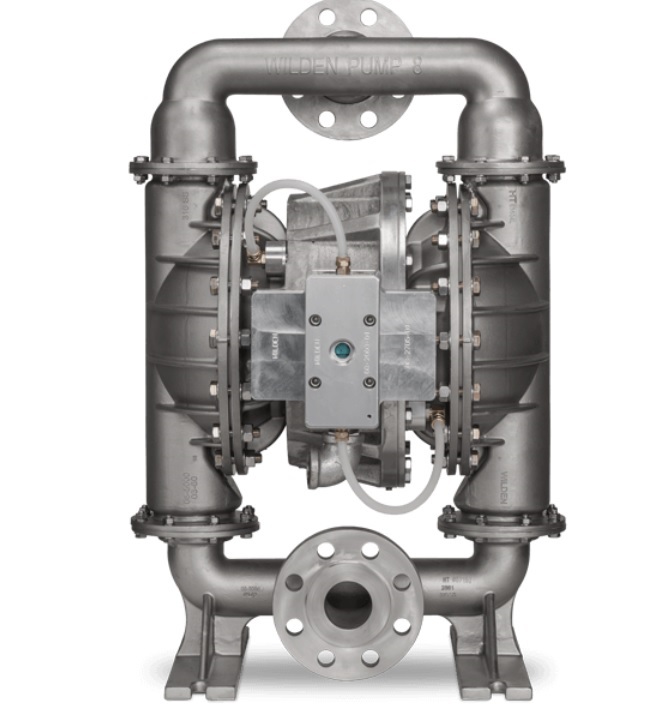
Products such as the Wilden High Pressure Speciality Series demonstrate outstanding capabilities in high-pressure applications, delivering discharge pressures of up to 20.7 bar (300 psig). This performance is achieved through a specialized Air Distribution System (ADS) combined with Duplex technology. With these capabilities, the pump can be relied upon for demanding tasks such as intensive filtration, chemical sludge transfer, and the pumping of high-viscosity, solid-laden slurries while maintaining consistent fluid flow without compromising operational performance.
By understanding process requirements and selecting the right pump, industries can significantly improve productivity while ensuring long-term system reliability.