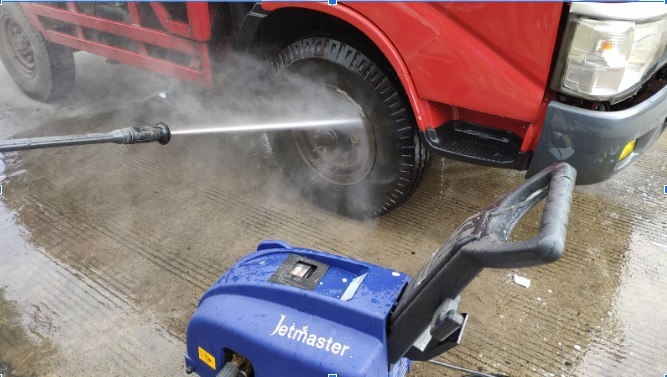
High pressure cleaners, also known as pressure washers, have become essential tools for various cleaning needs—from household use and commercial facilities to industrial environments. These machines are capable of removing stubborn dirt, grease, mud, and other residues quickly and efficiently. However, optimal performance does not depend solely on machine specifications, but also on proper and routine maintenance.
Unfortunately, many users neglect basic maintenance, leading to decreased performance, unstable pressure, or even permanent damage. This article provides a comprehensive guide on routine maintenance practices to ensure your high pressure cleaner continues to perform at its best and enjoys a longer service life.
Why High Pressure Cleaner Maintenance Is So Important
High pressure cleaners operate by generating high water pressure through a pump and motor system. The combination of pressure, heat, and continuous workload makes machine components prone to wear if not properly maintained.
Key benefits of routine maintenance include:
-
Maintaining stable water pressure
-
Preventing overheating of the motor and pump
-
Reducing the risk of hose and seal leaks
-
Extending machine lifespan
-
Lowering long-term repair costs
Whether for domestic or industrial use, routine maintenance is a valuable investment to keep equipment ready for operation at all times.
Key Components That Require Regular Attention
Before performing maintenance, it is important to understand the main components of a high pressure cleaner that most frequently require care:
-
Water filter
-
Hose and nozzle
-
High pressure pump
-
Motor and cooling system
-
Electrical system
-
Surrounding machine area
Knowing these components helps ensure that maintenance is targeted and effective.
Routine Maintenance Steps for High Pressure Cleaners
1. Cleaning and Inspecting the Water Filter
The water filter prevents sand, mud, and small particles from entering the pump. A clogged filter can result in:
-
Reduced water pressure
-
Increased pump workload
-
Higher risk of internal damage
Maintenance tips:
-
Clean the filter regularly, at least once a week
-
Rinse the filter using clean water
-
Ensure the filter is properly installed before operating the machine
This simple step is often overlooked, yet it has a significant impact on machine performance.
2. Inspecting and Cleaning the Hose and Nozzle
The hose and nozzle are the primary outlets for high-pressure water. Dirt buildup can cause inconsistent pressure.
Maintenance steps:
-
Remove the nozzle after each use
-
Rinse it with clean water
-
Check for blockages or cracks
In dusty or muddy work environments, using a wet & dry vacuum cleaner can help remove dirt and debris around the machine and its accessories, keeping components clean and safe.
3. Checking Pump Oil (Industrial Models Only)
For industrial-grade high pressure cleaners, pumps typically use an oil lubrication system.
What to check:
-
Inspect the oil color regularly
-
Cloudy or dark oil indicates excessive heat
-
Replace oil according to the recommended operating hours
Proper pump maintenance ensures stable pressure even during extended operating periods.
4. Keeping the Cooling System in Optimal Condition
The motor generates heat during operation. If ventilation is blocked or airflow is restricted, the machine may overheat.
Simple tips:
-
Ensure air vents are free from dust
-
Do not place the machine too close to walls
-
Avoid continuous operation beyond the machine’s rated capacity
For industrial applications, monitoring the duty cycle is essential to keep the machine operating within safe limits.
5. Inspecting Cables and Electrical Systems
Damaged electrical cables are a common cause of serious operational issues.
Routine checks include:
-
Ensuring no cables are frayed or exposed
-
Preventing cables from being submerged in water
-
Using proper sockets and grounding that meet safety standards
Electrical safety is just as important as machine performance.
6. Cleaning the Machine After Use
After use—especially in industrial or project environments—machines are often left dirty.
Cleaning the machine after each use helps to:
-
Prevent corrosion
-
Reduce dust accumulation
-
Maintain the machine’s appearance and functionality
Use a dry cloth, clean water, or supporting cleaning tools to ensure the machine remains clean.
Maintenance Differences: Domestic vs. Industrial Use
Maintenance requirements vary significantly depending on usage type.
Domestic high pressure cleaners:
-
Used for homes, vehicles, and small areas
-
Lighter workload
-
Simpler and less frequent maintenance
Industrial high pressure cleaners:
-
Used in factories, workshops, car washes, and construction sites
-
Heavy workloads and long operating hours
-
Require more intensive and scheduled maintenance
Matching maintenance routines to machine usage helps maintain efficiency and control operating costs.
Common Maintenance Mistakes
Some common user mistakes include:
-
Using dirty water without proper filtration
-
Running the machine continuously without breaks
-
Failing to clean the machine after use
-
Ignoring early signs of pressure loss
-
Delaying oil changes or replacement of worn components
Repeated minor mistakes can lead to major damage over time.
Conclusion
Routine maintenance of high pressure cleaners is not complicated, yet it has a significant impact on performance and machine longevity. With proper care, water pressure remains optimal, machines operate more efficiently, and the risk of damage is greatly reduced.
Winston Indonesia is an experienced provider of cleaning equipment and engineering solutions for a wide range of needs—from domestic use to commercial and industrial applications. With a strong focus on quality, performance, and reliability, Winston Engineering offers a comprehensive range of high pressure cleaners and cleaning equipment designed to perform optimally under various working conditions.