Paper plays an important role in our daily lives, serving as a medium for communication as well as entertainment. However, how is paper actually manufactured? How can wood be transformed into the sheets of paper we use every day? This process involves breaking down lignin in wood to produce paper pulp, which is then processed into paper sheets through various production stages.
In this process, the main raw materials used are wood fibers, recycled paper waste, or other plant fibers. Before entering the production stage, it is important to understand that each type of paper has a different manufacturing process depending on the desired characteristics and final application. To better understand the stages, read the complete explanation below.
4 Stages in the Paper Manufacturing Process
Paper production involves a series of complex steps. From raw materials to the final product, each stage plays an important role in creating different paper qualities. Let’s take a closer look at how the process works.
1. First Stage
a. Collection and Selection of Wood Fibers
The paper manufacturing process begins with collecting tree logs that will be used as raw materials. These trees generally come from sustainably managed plantation forests to reduce the environmental impact of illegal logging. After the logs are collected, high-quality wood fibers are selected to become the primary raw material.
b. Washing and Bleaching the Wood Fibers
The selected wood fibers are then washed and bleached to remove impurities and unwanted substances. The washing process uses water to clean the fibers, while bleaching removes the natural color of the wood and produces bright white fibers.
c. Chemical Mixing Process
After the fibers are clean and white, they are mixed with chemicals such as soda ash and bisulfite. This process softens the fibers and separates cellulose from lignin, allowing the wood fibers to be transformed into paper pulp.
2. Second Stage
a. Cooking and Washing Process
At this stage, the paper pulp, which is a mixture of wood fibers and water, is placed into specialized cooking equipment inside the machine where temperature and pressure are carefully controlled. The cooking process aims to separate important components, especially cellulose, from other raw materials such as lignin. Cellulose is the main component used in paper manufacturing.
b. Bleaching and Pulp Refining Process
Once the cooking process is complete, the next step is washing. This process removes any remaining chemicals and lignin still attached to the fibers. Thorough washing is essential to ensure the resulting pulp is clean and free from contaminants, producing high-quality paper.
3. Third Stage
a. Paper Sheet Formation Process
After the cooking, washing, and bleaching stages are completed, the prepared pulp is transferred into a paper press machine to form paper sheets. This process uses pressure and heat to create dense and uniform sheets of paper.
The applied pressure helps remove excess water from the pulp and binds the fibers together into a solid sheet. During this stage, temperature and pressure are carefully maintained to ensure the paper achieves the desired strength and thickness standards.
b. Drying and Compacting Process
After the paper sheet formation process is complete, the sheets, which still contain high moisture levels, undergo a drying stage. Drying is performed using drying machines that circulate hot air to evaporate the remaining water trapped inside the paper.
Once fully dried, the paper undergoes a compacting process. This stage removes any remaining moisture and makes the paper denser and stronger.
Compacting is carried out by passing the paper through a compactor machine that applies controlled pressure to the sheets, improving paper quality and durability.
c. Cutting and Packaging Process
After drying and compacting, the paper moves to the cutting and packaging stage. The paper sheets, which now have the appropriate thickness and strength, are cut according to the required dimensions. This cutting process uses precision cutting machines to ensure consistent and accurate sizing.
After cutting, the paper is ready for packaging. Packaging involves placing the paper into suitable packaging formats, whether in rolls or individual sheets ready for market distribution.
4. Fourth Stage
a. Dyeing and Coating Process
Certain types of paper undergo dyeing processes to provide specific colors or patterns according to customer requirements or preferences. Dyeing can use either natural or synthetic coloring agents, depending on the desired final result.
Additionally, some papers also go through coating processes as part of production. Coating improves the paper’s strength, durability, or other performance characteristics.
b. Final Cutting and Packaging Process
After the dyeing or coating process, the paper sheets are cut into their final required sizes. Precision cutting machines are used to ensure each sheet meets the specified dimensions.
Once cut, the paper is packaged according to customer requirements, whether in rolls, sheets, or other packaging forms. Packaging is carefully performed to protect the paper from damage during shipping and distribution.
c. Shipping and Distribution Process
Once the paper production process is complete, the final stage is shipping and distribution. The finished paper products are distributed to various industries and consumers that require them. Distribution may take place both locally and internationally, depending on market demand and the manufacturer’s distribution network.
The Importance of Diaphragm Pumps in Paper Manufacturing
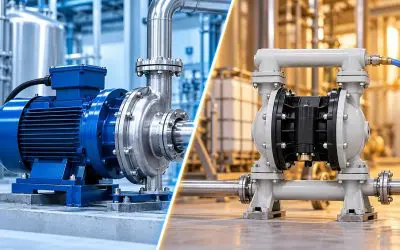
In the paper manufacturing process, success is determined not only by the quality of the raw materials and machinery used, but also by the use of the right supporting equipment. One essential component is the diaphragm pump, which plays a crucial role in transferring paper-processing materials throughout the production system.
Winston Indonesia is the best place to obtain high-quality diaphragm pumps that are reliable for paper manufacturing applications. In addition to providing premium products, Winston Indonesia also offers on-site installation services to ensure the installation process runs smoothly and efficiently.
So, what are you waiting for? Explore Winston Indonesia’s products today to discover the various solutions available. Order now to ensure your paper manufacturing process operates smoothly and efficiently.
Related Products



Author Bio
Rian

Team PT Winston technically driven member of PT Winston Indonesia with strong practical knowledge of pumps and fluid handling solutions. We work closely with customers to understand their operating requirements, recommend suitable pump solutions, and introduce products that can improve reliability, efficiency, and overall system performance. With a hands-on and solution-oriented approach, We help bridge technical requirements with practical product selection, ensuring customers receive the right pumping solution for their applications.
See all posts by Rian »