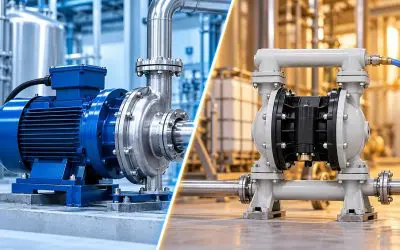
In the industrial world, JIS (Japanese Industrial Standards) flanges and ANSI (American National Standards Institute) flanges play an important role in connecting pipes and equipment within piping systems. Although both are used for the same purpose, there are significant differences in their design, dimensions, and standards. Understanding the differences between JIS and ANSI flanges is essential to ensure compatibility and optimal performance in a piping system.
This article provides a comprehensive explanation of both flange types, including differences in standards, design, applications, and selection considerations. With this understanding, you will gain valuable insights and practical guidance in identifying the differences between JIS and ANSI flanges. Let’s take a closer look below!
What Is ANSI?
ANSI stands for the American National Standards Institute, a nonprofit organization responsible for coordinating and developing national standards for various industries in the United States. Established in 1918, ANSI plays a central role in guiding the standardization process in the country by facilitating collaboration among industries, government agencies, and academic institutions to establish consistent and relevant standards.
ANSI plays an important role in promoting safety, product performance, and quality, while also facilitating trade and innovation through standardized systems. The organization is also involved in providing access to national and international standards through accreditation and certification programs.
What Is JIS?
JIS stands for Japanese Industrial Standards, a set of standards developed by the Japanese Industrial Standards Committee (JISC). JIS covers various technical and industrial aspects, including standards for products, manufacturing processes, and management systems. These standards are designed to ensure product quality, safety, and interoperability in Japan.
JIS standards are widely used across multiple industries, including manufacturing, civil engineering, electronics, automotive, and many others. The implementation of JIS standards helps facilitate international trade, improve production efficiency, and promote high-quality standards across industries in Japan and worldwide.
Winston Indonesia’s Best Products
Process Pump
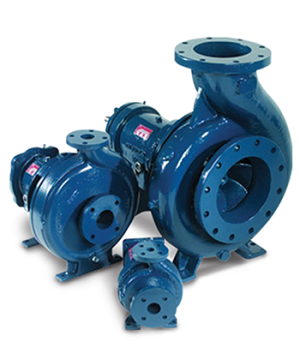
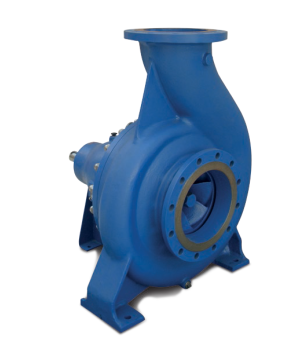
Differences Between JIS and ANSI Flanges
By understanding the differences between JIS and ANSI flanges, you can select the flange that best suits your specific needs while ensuring compatibility and optimal performance. Below are the key differences between JIS and ANSI flanges:
1. Design and Dimensions
JIS and ANSI flanges differ in both dimensions and geometry. JIS flanges generally have a thinner and lighter profile compared to ANSI flanges. This difference aligns with common manufacturing practices and design preferences in the Japanese market.
In addition, JIS and ANSI flanges may differ in the number and positioning of bolt holes. JIS flanges may follow different standards for bolt hole sizing and distribution, which must be considered when planning and designing piping systems.
2. Construction Materials
Another major difference between JIS and ANSI flanges lies in the construction materials used. Although both types can be manufactured from various metals such as carbon steel, stainless steel, and other alloys, their material preferences may vary.
ANSI flanges are more commonly made from carbon steel or alloy steel, which aligns with preferences and practices in the American market. On the other hand, JIS flanges tend to use stainless steel or other materials that comply with Japanese standards and local preferences in Japan.
3. Working Pressure and Standards
ANSI flanges are generally designed to handle higher working pressures compared to JIS flanges. This is because ANSI standards typically specify higher pressure ratings for piping components.
ANSI standards also tend to provide more detailed requirements regarding design specifications, tolerances, and testing procedures to ensure the expected safety and performance of the flange. In contrast, JIS flanges may have lower pressure limitations according to Japanese standards and manufacturing practices.
4. Geographic Usage
JIS flanges are more commonly used in Japan and countries that adopt Japanese standards, particularly in East Asia. Meanwhile, ANSI flanges are more dominant in the United States and regions that follow ANSI standards, such as North America and parts of South America.
These geographical differences may influence flange preferences and market availability, as well as determine the specifications required for construction projects in specific regions.
5. Compatibility
Due to differences in design, dimensions, and materials, JIS flanges are not always directly compatible or interchangeable with ANSI flanges. This becomes an important consideration in construction projects or piping component replacements, where flange compatibility must be carefully evaluated to ensure optimal system performance.
Using incompatible flanges may result in leaks, structural failures, or other piping system issues. Therefore, selecting flanges that match system specifications and applicable standards is crucial to ensuring project success and safe, reliable operations.
Understanding the differences between JIS and ANSI flanges helps ensure optimal compatibility in various industrial and construction applications. Therefore, it is important to consider these factors carefully to maintain safe, reliable, and efficient piping system performance.
By understanding these differences, selecting the right flange for specific requirements becomes much easier, ultimately contributing to operational safety, production efficiency, and the overall success of construction projects.
If you need a reliable process pump solution for your pumping operations, Winston Indonesia is the right choice. Winston Indonesia provides pumps that comply with API, ANSI, and ISO standards. Therefore, if you are looking for a trusted and high-quality pump supplier, Winston Indonesia is ready to help you find the best solution for your project.
Do not hesitate to contact Winston Indonesia for further consultation or to learn more about our products and services. Order now to fulfill your industrial pumping needs!

Author Bio
Rian

Team PT Winston technically driven member of PT Winston Indonesia with strong practical knowledge of pumps and fluid handling solutions. We work closely with customers to understand their operating requirements, recommend suitable pump solutions, and introduce products that can improve reliability, efficiency, and overall system performance. With a hands-on and solution-oriented approach, We help bridge technical requirements with practical product selection, ensuring customers receive the right pumping solution for their applications.
See all posts by Rian »