In modern water distribution systems, maintaining stable water pressure is important. Whether for residential homes, high-rise buildings, or industrial needs, insufficient water pressure can disrupt daily activities and operational processes.
To solve this problem, a solution called a booster pump is used a system designed to ensure water flow remains strong, stable, and efficient under various conditions.
What Is a Booster Pump?
A booster pump is a pump used to increase water pressure within a piping system. Unlike standard pumps that focus on moving water from a source, a booster pump works by adding pressure to water that is already flowing, ensuring more optimal distribution.
With a booster pump, water distribution becomes more even and can reach higher or more distant areas without losing pressure.
How Does a Booster Pump Work?
In general, a booster pump operates using the centrifugal pump principle. It contains key components such as an impeller and an electric motor that work together to increase water pressure.
Here’s how it works:
- Water enters the pump through the inlet
- The motor spins the impeller at high speed
- The impeller transfers kinetic energy to the water
- Water is discharged with higher pressure
Modern booster pump systems are typically equipped with pressure sensors and automatic control systems. These technologies allow the pump to:
- Turn on when pressure drops
- Adjust speed based on demand
- Shut off automatically when the desired pressure is reached
The result? Greater energy efficiency and longer lifespan, since the system does not run continuously without need.
Main Functions of a Booster Pump
Booster pumps play an important role in various water distribution systems, including:
1. Increasing Water Pressure
The primary function of a booster pump is to ensure sufficient water pressure, especially for uses such as showers, faucets, and other distribution points.
2. Reaching Higher Areas
In multi-story buildings, water pressure is often insufficient to reach upper floors. A booster pump helps solve this issue.
3. Stabilizing Water Flow
When multiple outlets are used simultaneously, pressure usually drops. A booster pump maintains stable pressure.
4. Supporting Industrial Systems
In industrial settings, booster pumps are used for:
- Cooling systems
- Water treatment processes
- HVAC systems
- Cleaning operations
Common Types of Booster Pumps
With technological advancements, booster pumps are available in various types to suit different needs.
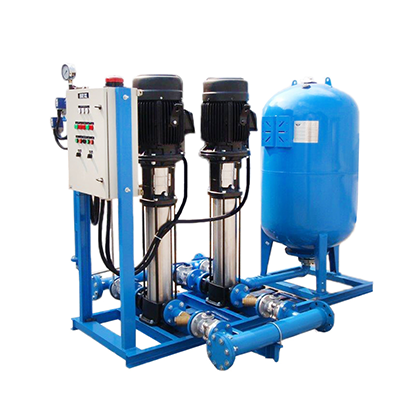
1. Automatic Booster System
This is the most modern and efficient type of booster pump. It operates automatically by adjusting water pressure based on demand.
Key advantages include:
- Consistently stable pressure
- Fully automatic operation without manual control
- Better energy efficiency
- Minimal maintenance
This system is ideal for:
- Office buildings
- Apartments
- Hotels
- Industrial facilities
Automatic booster systems are typically equipped with intelligent control technology to maintain optimal performance under varying conditions.
2. Pneumatic Booster System
A pneumatic booster system uses air pressure to increase fluid pressure. It is commonly used in industrial applications that require very high pressure.
Characteristics:
- Uses air as the driving medium
- Capable of producing very high pressure
- Designed for specialized applications
This type is more commonly used in industrial sectors rather than residential use.
3. Multistage Booster Pump
A multistage booster pump uses multiple impellers within a single unit to generate higher pressure.
Advantages:
- Higher pressure compared to standard pumps
- Suitable for long-distance distribution
- Ideal for high-rise buildings
This type is widely used in systems that require stable pressure on a large scale.
Booster Pump Solutions for Various Needs
Choosing the right booster pump depends not only on capacity and pressure but also on how well the system matches your specific application. Whether for residential, commercial, or industrial use, the right system ensures optimal performance and long-term efficiency.
Today, there are many modern booster pump options equipped with advanced technology that can operate automatically, maintain stable pressure, and optimize energy consumption.
To ensure you get the most suitable solution, it is important to select a system based on site conditions, pressure requirements, and the distribution system in use.
Consult your booster pump needs with Winston Indonesia to get the most appropriate, efficient, and reliable system tailored to your application.
Related Product :


Author Bio
Rian

Team PT Winston technically driven member of PT Winston Indonesia with strong practical knowledge of pumps and fluid handling solutions. We work closely with customers to understand their operating requirements, recommend suitable pump solutions, and introduce products that can improve reliability, efficiency, and overall system performance. With a hands-on and solution-oriented approach, We help bridge technical requirements with practical product selection, ensuring customers receive the right pumping solution for their applications.
See all posts by Rian »