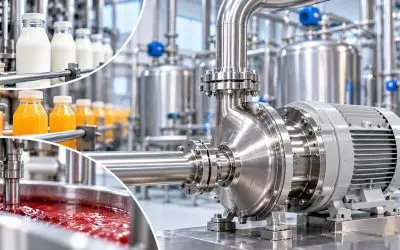
The development of modern industries demands production systems that are increasingly efficient, reliable, and flexible. Amid the complexity of industrial processes ranging from chemical fluid transfer and abrasive liquids to high-viscosity materials high pressure pumps play a critical role. Beyond serving as fluid transfer equipment, high pressure pumps have become strategic components in maintaining process stability and ensuring the long-term sustainability of factory operations.
As demands for productivity and safety continue to rise, the use of properly specified industrial-grade pumps is no longer an option, but a necessity.
Challenges of Pump Systems in Modern Industry
Today’s industries face a wide range of operational challenges, including:
-
The need for continuous process operation
-
Increasingly complex fluid characteristics
-
Stringent safety and environmental standards
-
Pressure to reduce operational costs
Conventional pumps often struggle to handle these conditions effectively. Pump failures can lead to process disruptions, unplanned downtime, and serious safety risks. High pressure pumps are therefore designed to meet the demands of modern industries that require high reliability under extreme operating conditions.
What Is a High Pressure Pump?
A high pressure pump is designed to transfer fluids at higher operating pressures compared to standard pumps. In industrial applications, these pumps are commonly used for:
-
Long-distance fluid transfer
-
Systems with high back pressure
-
Handling viscous, abrasive, or corrosive materials
-
Processes requiring stable and precise flow control
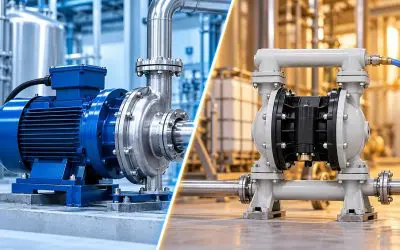
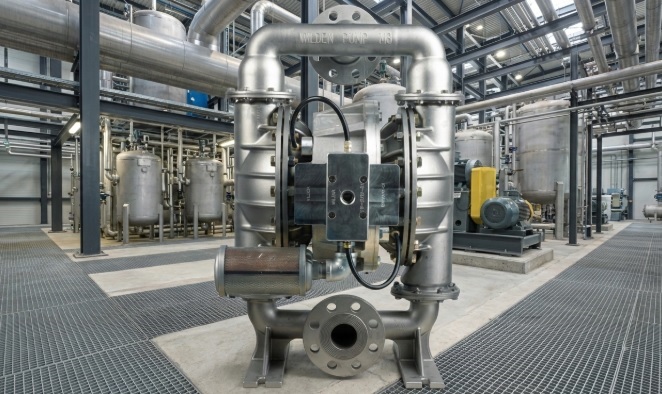
One widely used technology is the air-operated diaphragm pump (AODD), which utilizes compressed air to generate high fluid pressure while offering a safe and flexible design.
Advantages of High Pressure Pumps for Industry
1. High Operational Reliability
High pressure pumps are engineered to operate under demanding conditions and intensive use. Their robust construction materials and designs with minimal rotating components make them highly resistant to wear and tear. This level of reliability is essential for industries operating 24/7, where even minor disruptions can have significant production impacts.
2. Flexibility for Handling Various Types of Fluids
Modern industries rarely handle just one type of fluid. High pressure pumps can transfer a wide range of fluids, from low-viscosity liquids to highly viscous materials, including abrasive and corrosive fluids. This flexibility allows a single pumping system to support multiple applications without major equipment changes.
3. Process Efficiency and Stability
Stable pressure helps maintain consistent flow throughout production processes. High pressure pumps are capable of handling pressure fluctuations without sacrificing performance. This directly impacts final product quality and overall process efficiency.
4. Enhanced Safety
Safety is a top priority in modern industry. Many high pressure pumps—especially AODD-based systems—are designed with stall-free operation and can automatically stop without damage when blockages or overpressure conditions occur. This design reduces the risk of leaks, equipment damage, and workplace accidents.
5. Simplified Maintenance
Compared to conventional mechanical pumps, certain high pressure pump designs are simpler and more modular. This simplifies inspection, maintenance, and component replacement. Reduced maintenance-related downtime supports long-term operational efficiency.
Relevance to Modern Industrial Applications
High pressure pumps are widely used across various industrial sectors, including:
-
Chemical and petrochemical industries
-
Manufacturing and production processes
-
Oil and gas
-
Water and wastewater treatment
-
Food and beverage
-
Mining and heavy industries
In these applications, pumps are not merely auxiliary equipment but integral components of the process system. Their ability to operate consistently, safely, and efficiently makes high pressure pumps highly relevant to continuously evolving modern industries.
Supporting Efficiency and Preventive Maintenance
Clean industrial environments and stable fluid systems support effective preventive maintenance practices. Reliable high pressure pumps help reduce sudden failures and simplify operational condition monitoring. As a result, companies can plan maintenance activities in a more structured, data-driven manner.
High Pressure Pump Solutions for Industrial Needs
As a provider of industrial pumping and engineering solutions, Winston Engineering offers a wide range of high pressure pumps for modern industrial applications. These products are designed to meet industry demands for reliability, flexibility, and efficiency in fluid handling.
Selecting the right pump tailored to specific application characteristics and operating conditions helps factories maintain system performance while optimizing long-term operational costs.
Amid the growing complexity of industrial demands, the use of high pressure pumps is not merely a technical upgrade, but a strategic step toward supporting efficiency, sustainability, and long-term operational reliability.
Related Product



Author Bio
Rian

Team PT Winston technically driven member of PT Winston Indonesia with strong practical knowledge of pumps and fluid handling solutions. We work closely with customers to understand their operating requirements, recommend suitable pump solutions, and introduce products that can improve reliability, efficiency, and overall system performance. With a hands-on and solution-oriented approach, We help bridge technical requirements with practical product selection, ensuring customers receive the right pumping solution for their applications.
See all posts by Rian »