Image source: Freepik
In many industrial sectors, the need to transfer fluids containing solid particles cannot be handled by ordinary water pumps. Fluids mixed with sand, sludge, fine rocks, or abrasive materials require specialized equipment capable of withstanding high pressure, impact, and friction. This is where slurry pumps play a crucial role as a pumping solution designed for extreme conditions.
A slurry pump is a type of heavy-duty pump used to transport solid-liquid mixtures (slurry). This slurry typically consists of solid particles suspended in water or industrial process fluids. Because the conveyed media is generally hard, abrasive, and often corrosive, slurry pumps must be manufactured using special materials and a much more robust construction compared to standard pumps.
In heavy industries such as mining, mineral processing, manufacturing, construction, and waste management, slurry pumps are vital equipment that help maintain production continuity. Without slurry pumps, the transportation of heavy materials would be significantly slower and could cause serious damage to pumping systems.
What Is a Slurry Pump?
A slurry pump is a pump specifically designed to transfer fluids containing a high concentration of solid particles. These media may include sludge, tailings, sand, fine gravel, combustion ash, or industrial waste with high viscosity.
Slurry pumps have several key characteristics:
1. Robust and Abrasion-Resistant Construction
Slurry pumps are commonly made from materials such as high-chrome alloy, abrasion-resistant rubber, or stainless steel, designed to withstand severe wear.
2. Specialized Impeller Design for Slurry
The impeller is designed with a more open or thicker structure to handle solids without clogging easily.
3. High Capacity for Heavy Media
Slurry pumps are capable of operating under high pressure and large flow rates, allowing efficient transportation of heavy materials.
4. More Intensive Maintenance Requirements
Due to highly abrasive media, slurry pumps require routine monitoring to ensure optimal service life.
With these characteristics, it is no surprise that slurry pumps are considered critical equipment in many heavy industries.
Main Functions of Slurry Pumps
Slurry pumps are not merely fluid transfer devices; their functions are more specific and critical due to extreme operating conditions. The main functions include:
1. Safely Transporting Abrasive Materials
Materials such as sand, tailings, and sludge can quickly damage standard pumps, but slurry pumps are designed to handle them without excessive wear.
2. Supporting Industrial Production Processes
In mining and mineral processing industries, slurry pumps are used to transport extracted materials or process residues to subsequent stages.
3. Reducing Material Handling Costs
Manual handling of sludge or sand is time-consuming and costly. Slurry pumps make the process more efficient and safer.
4. Maintaining Stability in Waste Treatment Processes
In wastewater treatment plants (WWTP), slurry pumps are used to move heavy sludge to further treatment units.
These functions make slurry pumps one of the most essential components in modern industrial operations.
How Slurry Pumps Work
Slurry pumps operate on principles similar to centrifugal pumps, but with special modifications to handle solid particles. The working process is as follows:
1. Impeller Rotation Creates Centrifugal Force
When the impeller rotates, centrifugal force drives the slurry from the center toward the outer edge of the pump casing.
2. Pressure Increases and Slurry Is Discharged
The increased pressure at the outer casing pushes the slurry out through the discharge outlet.
3. Impeller Design Determines Solid Handling Capability
Impellers with more open vanes allow larger solids to pass through without clogging.
4. Casing Protects Against Abrasion
The casing is made thicker or lined with special materials to withstand friction from hard particles.
In some types of submersible slurry pumps, the motor is fully submerged in the media and specially protected to prevent damage from sludge and solids.
Types of Slurry Pumps
Slurry pumps come in several types based on application and design. The most common include:
1. Horizontal Slurry Pump
Widely used in mining and mineral processing industries. Easy to maintain and capable of handling large capacities.
2. Vertical Slurry Pump (Vertical Sump Pump)
Used in pits, sumps, or deep tanks. Does not require a dry pit installation.
3. Submersible Slurry Pump
Designed to operate fully submerged in slurry. Ideal for mine dewatering, tailings ponds, or industrial flood areas. Highly abrasion-resistant and flexible in installation.
An Effective Alternative for Sludge Handling: Gorman-Rupp
Among the slurry pump types above, there are certain industrial situations where a pure slurry pump is not strictly required—especially when the pumped media consists of sludge, sand, or solids with moderate concentration.
In such cases, Gorman-Rupp pumps become an effective alternative. Although not a dedicated slurry pump manufacturer, their products are engineered to handle solids very efficiently.
Key Advantages of the Super T Series
1. Capable of Handling Solids Up to 3 Inches
The Super T Series is equipped with impellers and volutes designed to pass large particles up to 76 mm, significantly reducing clogging risks.
2. Self-Priming Design for Easier Above-Ground Installation
Thanks to its self-priming capability, the pump can be installed above the liquid surface (dry installation) without requiring submersible placement or separate priming systems. Ideal for wastewater plants, construction sites, and light mining applications.
3. Back-Pullout Design for Quick Maintenance
Technicians can access the impeller, seal, and wear plate without disconnecting the piping, minimizing downtime.
4. Durable and Designed for Heavy-Duty Conditions
Constructed with abrasion-resistant materials such as ductile iron and high-grade stainless steel, the Super T Series is suitable for:
-
Construction sludge
-
Industrial wastewater
-
Process sludge
-
Sand, grit, and coarse solids
5. Reduced Operating Time and Maintenance Costs
With easy maintenance, low downtime, and high efficiency, the Super T Series is widely used in industrial facilities that require reliable pumps with minimal operational disruption.
Slurry Pump Applications in Heavy Industries
Slurry pumps are used across many industrial sectors due to their unique capabilities. Key applications include:
1. Mining Industry
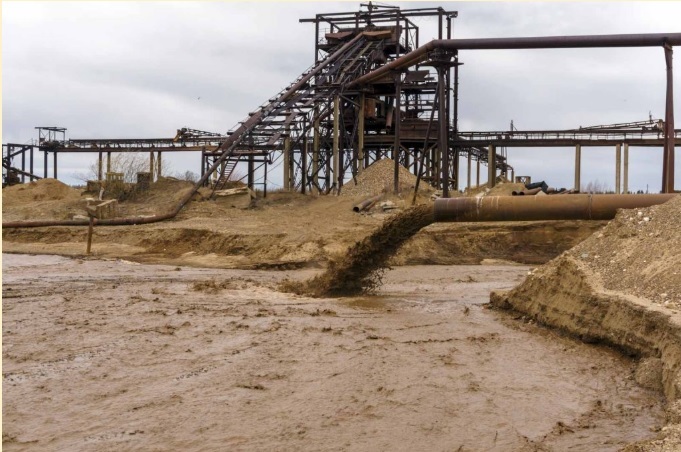
Used to transport tailings, mining sludge, mineral sand, and fine rock mixtures—this is the most common application.
2. Mineral Processing
Transfers concentrates and process residues between different processing stages.
3. Construction Industry
Handles slurry and sludge in foundation works, tunneling, and excavation projects.
4. Power Generation
In coal-fired power plants, slurry pumps transport fly ash and bottom ash.
5. Industrial Waste Management
Many WWTP facilities use slurry pumps to move heavy-textured sludge.
6. Marine and Dredging Industry
Used on dredging vessels to move sand and sludge from riverbeds or seabeds.
With the ability to handle various heavy media, slurry pumps are essential components that ensure smooth industrial operations.
Tips for Choosing the Right Slurry Pump
When selecting a slurry pump, consider the following factors:
-
Size and type of slurry particles
-
Solid concentration
-
Viscosity and corrosive properties
-
Pumping distance and required head
-
Pump materials (rubber, high-chrome alloy, stainless steel)
-
Installation type (horizontal, vertical, or submersible)
Proper selection will improve operational efficiency and reduce downtime.
Conclusion
A slurry pump is a heavy-duty device designed to handle abrasive and heavy media such as sludge, sand, fine rocks, and solid waste. With abrasion-resistant construction and materials, slurry pumps can operate under extreme conditions and are essential in heavy industries including mining, construction, mineral processing, power generation, and waste management.
Understanding the functions, working principles, and applications of slurry pumps is crucial for industries that rely on heavy material handling. Choosing the right pump ensures more efficient, stable, and safer operations.
Recommended Slurry Pump Solutions from Winston Indonesia
If you require pumping solutions for abrasive materials and slurry applications, Winston Indonesia provides a wide range of high-quality industrial pumps for heavy-duty applications. With years of experience and professional technical support, Winston Engineering helps industries across Indonesia find the most suitable pump solutions for their operational needs.

Author Bio
Rian

Team PT Winston technically driven member of PT Winston Indonesia with strong practical knowledge of pumps and fluid handling solutions. We work closely with customers to understand their operating requirements, recommend suitable pump solutions, and introduce products that can improve reliability, efficiency, and overall system performance. With a hands-on and solution-oriented approach, We help bridge technical requirements with practical product selection, ensuring customers receive the right pumping solution for their applications.
See all posts by Rian »