Pump vibration is a phenomenon that can significantly affect the performance and reliability of industrial piping systems. A thorough understanding of pump vibration is therefore extremely important.
Pumps are one of the most vital mechanical devices used across various industries, including chemical, petrochemical, oil and gas, as well as water and wastewater industries. Their primary function is to transfer fluids from one location to another within a piping system.
This process is essential to maintain the smooth operation of industrial plants and facilities. However, during operation, pumps often experience vibration that can lead to various operational problems.
Pump vibration can have significant negative impacts on system performance. One of the major impacts is reduced pump efficiency. Vibration can cause excessive friction and wear on critical pump components, resulting in increased energy consumption.
Understanding how to overcome pump vibration issues is essential to ensure the pump operates optimally. Let’s explore the complete explanation below.
Why Should Pump Vibration Be Taken Seriously?
Pump vibration is often overlooked, even though it can seriously affect both performance and service life. It should not be considered a minor issue, as excessive vibration may lead to costly consequences if left untreated. Before discussing how to solve it, let’s first understand why pump vibration deserves serious attention.
1. The Impact of Excessive Vibration
Pump vibration that exceeds acceptable tolerance limits can lead to several serious problems. One of the most noticeable effects is noise, which may disrupt the working environment. Prolonged noise exposure can negatively affect workers’ health and workplace comfort.
2. Structural Damage to the Pump
Continuous vibration may cause structural damage to the pump itself. Pressure and friction generated by excessive vibration can damage critical components such as bearings and housings, reduce pump efficiency, and shorten service life.
3. Component Failure
Vibration can become a major cause of pump component failure. Parts such as impellers, couplings, and bearings may wear out rapidly due to uncontrolled vibration. Component failure not only increases repair costs but also leads to production downtime, which negatively impacts productivity.
4. Potential Workplace Accidents
Extreme pump vibration also increases the risk of workplace accidents. Pumps experiencing excessive vibration can become a potential hazard if not handled promptly. Structural failure caused by vibration may result in leakage or even pump rupture, which can lead to serious accidents in the work area.
7 Main Causes of Pump Vibration
Pumps are critical components in many industrial systems, and their success depends heavily on optimal performance. One of the main challenges that can interfere with pump performance is excessive vibration. Below are several common causes of pump vibration along with recommended solutions.
1. Impeller Imbalance
Impeller imbalance may occur due to improper installation, poor impeller quality, or buildup of deposits on the impeller surface. This condition creates uneven centrifugal force, which generates pump vibration.
The solution includes proper impeller installation, selecting high-quality impellers, and regularly cleaning any buildup or deposits.
2. Cavitation
Cavitation occurs when fluid pressure drops below its vapor pressure, causing vapor bubbles to form and collapse inside the pump, creating damaging vibration.
Poor pump design, excessively high flow velocity, or low suction pressure can trigger cavitation. To overcome cavitation, improvements can be made to the pump design, flow velocity can be adjusted, and adequate suction pressure should be maintained.
3. Pump Bearing Problems
Bearing failure is one of the most common causes of pump vibration. It is estimated that only around 10% to 30% of bearings achieve their expected service life without experiencing issues.
Bearing failure can result from various factors, including excessive loads, excessive wear, corrosion, lubrication failure, overheating, or contamination by foreign materials.
To address this issue, preventive actions such as regular lubrication and the use of appropriate lubricating oil are highly recommended. These measures help maintain optimal bearing conditions, prevent excessive wear, and extend the overall service life of the pump.
4. Improper Installation
Improper pump installation, such as poor alignment or unstable mounting, can cause excessive vibration. Incorrect installation creates uneven mechanical stress on the pump, eventually leading to damaging vibration.
Ensuring proper installation according to standards is an important step in preventing vibration issues.
5. Damage to Impeller Vanes or Liners
Damage to impeller vanes or pump liners can also cause vibration. Wear, corrosion, or the use of unsuitable materials may damage these components.
Replacing or repairing damaged vanes or liners can help reduce vibration and maintain pump performance. Preventive maintenance and selecting corrosion-resistant materials are also effective preventive measures.
6. Shaft Imbalance
During pump operation, a certain level of vibration is considered normal. Detecting shaft imbalance externally can be difficult, and there are no sensors capable of directly measuring the resulting forces.
A pump with an unbalanced shaft may show symptoms such as excessive axial or radial vibration, increased temperature, oil leakage, loose coupling, and shaft damage.
To solve shaft imbalance issues, proper balancing and repair procedures are highly recommended. This process helps determine the severity of the imbalance and ensures the appropriate corrective actions are taken to maintain optimal pump performance.
7. Pump Flow Pulsation
When a pump operates near its dead-head condition, a specific situation may occur. This is often characterized by pressure sensor fluctuations in the pump discharge line.
In systems using a discharge swing valve, there may be noticeable fluctuations in the movement of the counterweight and valve arm, indicating unstable flow patterns. This flow instability is one of the main causes of pulsation.
To maintain flow stability, the use of a suction stabilizer is recommended. This device helps ensure the fluid remains consistently connected to the plunger pump, reducing the possibility of flow pulsation.
The Importance of Early Detection
Early detection of pump vibration problems is extremely important to prevent unplanned downtime and maintain pump system efficiency and reliability.
If you experience vibration problems or other issues related to pumps, rotating machinery, or industrial systems, immediately contact a trusted service provider.
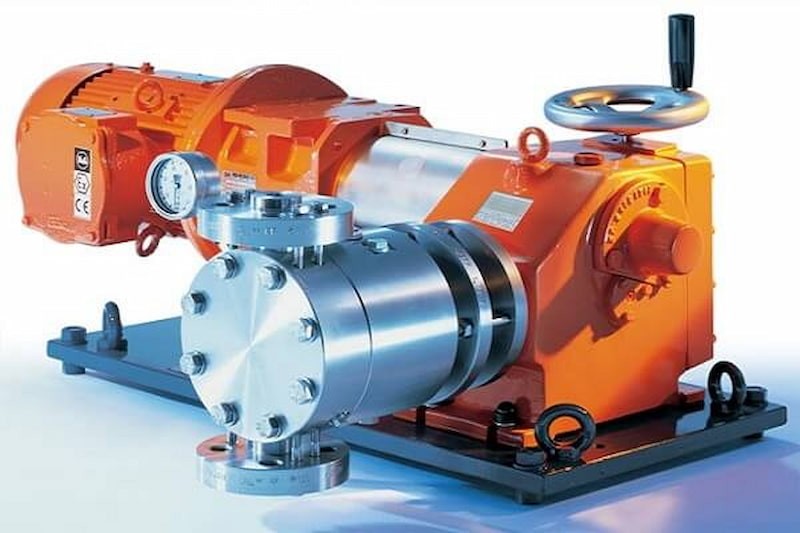
Winston Indonesia is ready to help and can conduct on-site visits to ensure the installation process is performed correctly. Winston Indonesia also offers a wide range of pumps suitable for different industrial applications, including diaphragm pumps.
A diaphragm pump is a type of pump that uses a flexible diaphragm as the main component to generate fluid flow. This type of pump is commonly used to handle highly viscous, hazardous, or solid-containing fluids.
Do not hesitate to contact Winston Indonesia as a leading diaphragm pump distributor. Winston Indonesia provides reliable and high-quality pumping solutions for various industrial needs.
Contact Winston Indonesia today to get more information and consultation regarding the selection and installation of diaphragm pumps suitable for your application requirements.