Recognizing the signs of a damaged water pump impeller is essential information for anyone relying on a water system. A failing pump is a frustrating headache that often leads to endless, confusing troubleshooting.
Since water pumps play a critical role in our daily lives, a broken impeller can completely halt your water supply, leaving you stranded without water when you need it most. The impeller is the heart of the pump; understanding how it behaves when it is failing allows you to catch the problem early and prevent a total system breakdown.
Understanding the Water Pump Impeller
Before diving into the signs of failure, it helps to understand what an impeller actually does. The impeller is the rotating component of a water pump designed to transfer mechanical energy from the motor into kinetic energy within the fluid. This change in fluid velocity and direction creates the pressure required to move water efficiently through the system.
Impellers are generally categorized based on:
-
Flow Direction: Radial, axial, or mixed flow.
-
Suction Type: Single-suction or double-suction.
-
Mechanical Construction: Open, semi-open, or closed designs.
Types of Pump Impellers
Different operational environments require specific impeller designs:
-
Closed Impellers: Typically found in clean water systems and standard domestic utility pumps. Because the vanes are enclosed by walls on both sides, they offer high efficiency for clear, debris-free liquids.
-
Open and Semi-Open Impellers: These designs have fully or partially exposed vanes, which significantly reduces the risk of clogging. They are ideal for general water circulation where minor suspended solids might be present.
-
Cutting Impellers: Specifically engineered to handle sewage, organic waste, and inorganic debris. Commonly installed in commercial buildings, hotels, and factories, these impellers slice through solid waste before it can clog or damage the wastewater pump.
Related Winston Indonesia Products
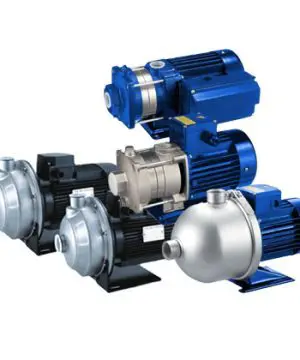
Euroflo
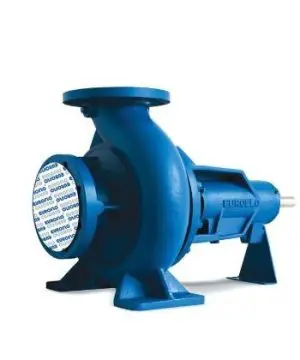


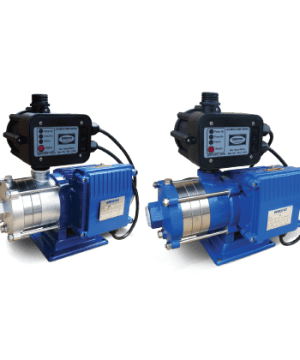
Gorman-Rupp Super T Series®

Key Signs of Impeller Damage
Like any mechanical part, a failing impeller will show clear warning signs. The most glaring symptom is the pump’s inability to draw or move water normally.
-
Drastic Drop in Water Output: You will notice a significantly reduced flow rate, or in severe cases, no water coming out at all.
-
Weak Suction with Normal Motor Rotation: A common misconception when water pressure drops is to immediately blame a faulty motor dynamo or a blown capacitor. While those components can cause issues, they are not the sole culprits. The physical push and pull of the fluid depend heavily on the impeller. If the pump motor sounds completely healthy and spins at its normal speed, but the suction remains weak, the impeller is almost certainly damaged.
Common Forms of Physical Damage
When you pull a faulty pump apart for inspection, the damage to the impeller usually manifests in a few specific ways:
-
Severe physical wear and tear.
-
An uneven, pitted, or heavily eroded surface.
-
Chipped, bent, or completely broken vanes (“teeth”).
Note: Many internet tutorials suggest saving a buck by sanding down an uneven impeller surface to make it look smooth again. While it might look pretty, this is a temporary fix at best. Sanding alters the exact clearances required inside the volute, which further degrades pump performance.
Materials Used in Manufacturing
Impellers are generally manufactured using two primary categories of materials, each offering distinct advantages:
-
Ferrous Materials (Cast Iron/Steel): Choosing a ferrous impeller offers an excellent economic advantage. These parts are highly affordable and cost-effective, making them an easy choice for budget-conscious, standard replacements.
-
Non-Ferrous Materials (Bronze/Brass): Bronze is commonly used for specialized or heavy-duty pumps. Non-ferrous impellers offer excellent resistance to corrosion and rust, providing long-term durability in harsher water conditions.
Versatile Applications of an Impeller
Impellers are not exclusive to standard water pumps; their mechanical utility is applied across a wide variety of technologies:
-
Single-Suction Systems: Fluid enters the center of the impeller from a single direction.
-
Double-Suction Systems: Fluid enters the eye from both sides simultaneously, balancing axial thrust.
-
Air and Gas Movement: Acts as a blower mechanism to move air through industrial ventilation systems or centrifugal compressors.
-
Medical Devices: Micro-impellers are used in ventricular assist devices (VADs) to assist or temporarily replace human heart functions.
-
Household Appliances: Found in washing machines (as pulsators/agitators) and water jet systems.
Conclusion
Knowing the signs of a damaged water pump impeller ensures you can take swift action before a minor glitch turns into an expensive system failure.
If you need an expert third party to help diagnose pump failures, source the right replacement parts, or execute professional repairs, look no further than Winston Indonesia. From premium products to technical expertise, all your domestic and industrial pumping challenges find their ultimate solution here!