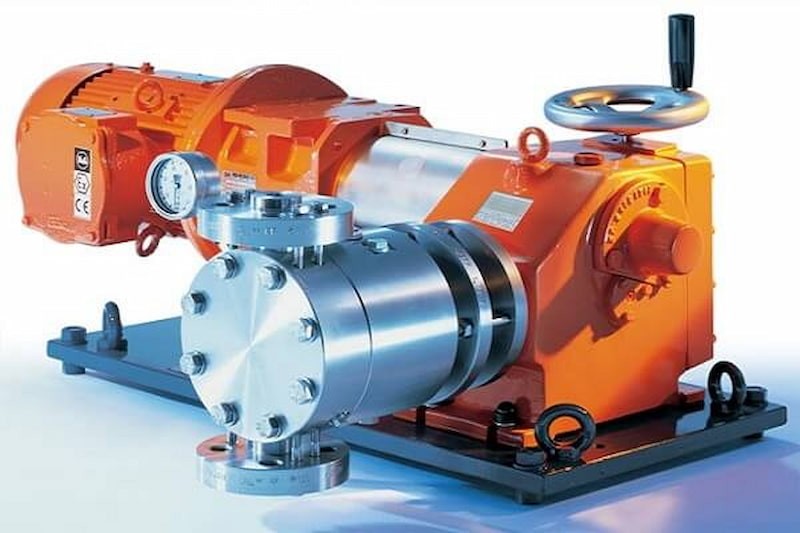
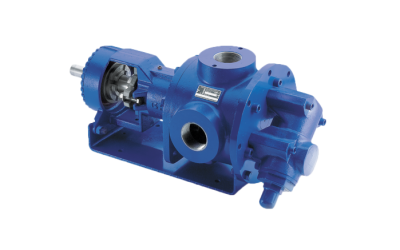
A pneumatic pump is a type of pump operated using air pressure and is commonly referred to as a pneumatic diaphragm pump. This type of pump is widely used in areas without electricity access and in environments prone to explosion or fire hazards.
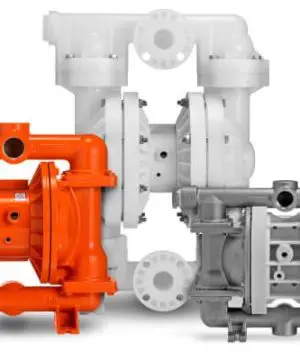

What Is a Pneumatic Pump and How Does It Work?
Pneumatic pumps are considered highly versatile because of their ability to transfer various types of fluids. Also known as pneumatic diaphragm pumps, these pumps operate using compressed air as the driving force.
One of the main advantages of pneumatic pumps is their capability to handle a wide range of materials, including sludge, abrasive liquids, and shear-sensitive fluids.
Powered by high-pressure compressed air, pneumatic pumps offer exceptional flexibility. They do not require electrical power and can safely operate in hazardous areas where explosion risks are present.
The working principle of a pneumatic pump involves using compressed air to drive a working cylinder and convert air pressure into mechanical energy. One of the most commonly used types is the AODD (Air Operated Double Diaphragm) pump. This pump features two diaphragms that move alternately using compressed air.
Their reliability, durability, and low maintenance costs make pneumatic pumps a popular choice for transfer applications across various industries. Built to perform under demanding conditions, these pumps are highly dependable in many working environments.
The operation of a pneumatic pump begins with a compressor that draws in air and stores it in an air tank until the desired pressure is reached. The compressed air is then distributed through the pneumatic system and passes through an air dryer to remove moisture content. When the solenoid valve directs compressed air to the inlet, the piston moves forward. Conversely, when compressed air is directed to the outlet, the piston retracts.
Pneumatic Diaphragm Pump Principle
Pneumatic pumps are specifically designed to meet industry requirements and applications that demand high operational standards. Compared to standard diaphragm pumps, pneumatic diaphragm pumps provide unmatched advantages in terms of cleanliness and safety.
The diaphragm design is intended to maintain high hygiene standards and is equipped with free-draining flow paths that support CIP (Clean-In-Place) capabilities. This special design effectively minimizes product residue buildup that could potentially contaminate the final product.
Pneumatic pumps are ideal for handling various products, ranging from protein-based and low-acid materials to sterile biopharmaceutical processes. Pump assembly is straightforward, with ball cages that simplify adjustments and rotatable seats for either hygienic cleaning or permanent installation.
These pumps are capable of handling many types of fluids, including corrosive liquids, high-viscosity fluids, flammable materials, and chemicals.
They are available in different materials such as plastic, stainless steel, aluminum alloy, and cast iron. Various elastomer options are also available, including nitrile rubber, neoprene rubber, fluororubber, polytetrafluoroethylene (PTFE), and polytetramethylene ethylene, allowing compatibility with different fluid media.
One of the main advantages of pneumatic diaphragm pumps is their ability to handle media that conventional pumps cannot process effectively.
Pneumatic diaphragm pumps operate using compressed air power, with a working principle similar to displacement pumps. Since these pumps do not generate excessive heat, compressed air is considered a safe energy source. Their operating process also minimizes harmful gas emissions.
Another advantage is that pneumatic pumps do not require electricity as a power source, eliminating the risk of sparks. Additionally, the shear force applied to materials is very low, and the pump can function as a vacuum during operation, minimizing material agitation while allowing flow rate adjustments based on operational needs.
Thanks to their self-priming capability, these pumps can operate safely without priming risks, while installing a throttle valve at the outlet enables better flow control.
Pneumatic System
High-pressure pneumatic pumps are equipped with special air distribution systems that utilize double-acting power pistons and Duplex technology to simplify increasing liquid discharge pressure.
With reliable performance, high-pressure pneumatic pumps can efficiently handle various industrial tasks, including chemical sludge transfer, thick slurry movement with solid content, filtration processes, and much more.
Generally, pneumatic pump systems use air compressors to store compressed air in cylinders, which is then released using electrical controls. Some pumps are modified by adding a small amount of oil and removing moisture vapor to improve machine performance.
The operating principle of pneumatic pumps is based on aeromechanical laws, which regulate the balance between vapor and gas by considering external forces and flow theory.
Industrial machinery often utilizes pneumatic systems, especially for equipment requiring relatively light mechanical power, as the mechanical force generated by pneumatic pumps tends to be lower compared to hydraulic systems. Machines requiring stronger mechanical force usually rely on hydraulic systems instead.
Pneumatic systems offer several advantages, including cleanliness and environmental friendliness in the event of leakage within the piping system. In addition, pneumatic systems are known for their fast and responsive performance compared to hydraulic systems.
Another advantage of high-pressure pneumatic pumps is their cost efficiency and virtually unlimited power availability.
Pneumatic Pump Applications
Pneumatic pump applications can also be integrated with electrical systems, such as electrical control circuits and other automation components, making overall implementation easier and more flexible.
Volumetric or plunger pumps, for example, can be applied in industrial cleaning units and integrated with various motor types, either directly or through flexible couplings. Constructed from aluminum alloys, both the pump body and cover provide strength and durability.
The piston operates through a crank connecting rod mechanism, while the reinforced pump shaft ensures reliable friction bearings. Connecting rods may be made from zinc-aluminum alloy or bronze to reduce friction.
Some pump components are equipped with ceramic pistons and forged brass pump heads, supported by dual sealing systems that ensure operational reliability. Maintenance becomes easier thanks to the presence of intake and delivery valves.
Read Also: Pump Vibrations: Impacts and Causes
Pneumatic pumps provide an ideal solution for improving productivity, reducing air consumption, minimizing energy usage, and simplifying maintenance. Their innovative and simple design includes automatic features that optimize air consumption through air control spools while maintaining optimal flow rates without overfeeding.
As a medium for transferring materials from one location to another, pneumatic pumps offer reliable and efficient machine operation. Available in various materials ranging from plastic to standard metal with air-operated double diaphragms, these pumps can be customized for a wide variety of applications.
The design of pneumatic pumps is intended to meet the demands of many industries, including semiconductor and biopharmaceutical applications. Winston Indonesia is ready to support your needs with high-quality products and professional expertise in the industry.